
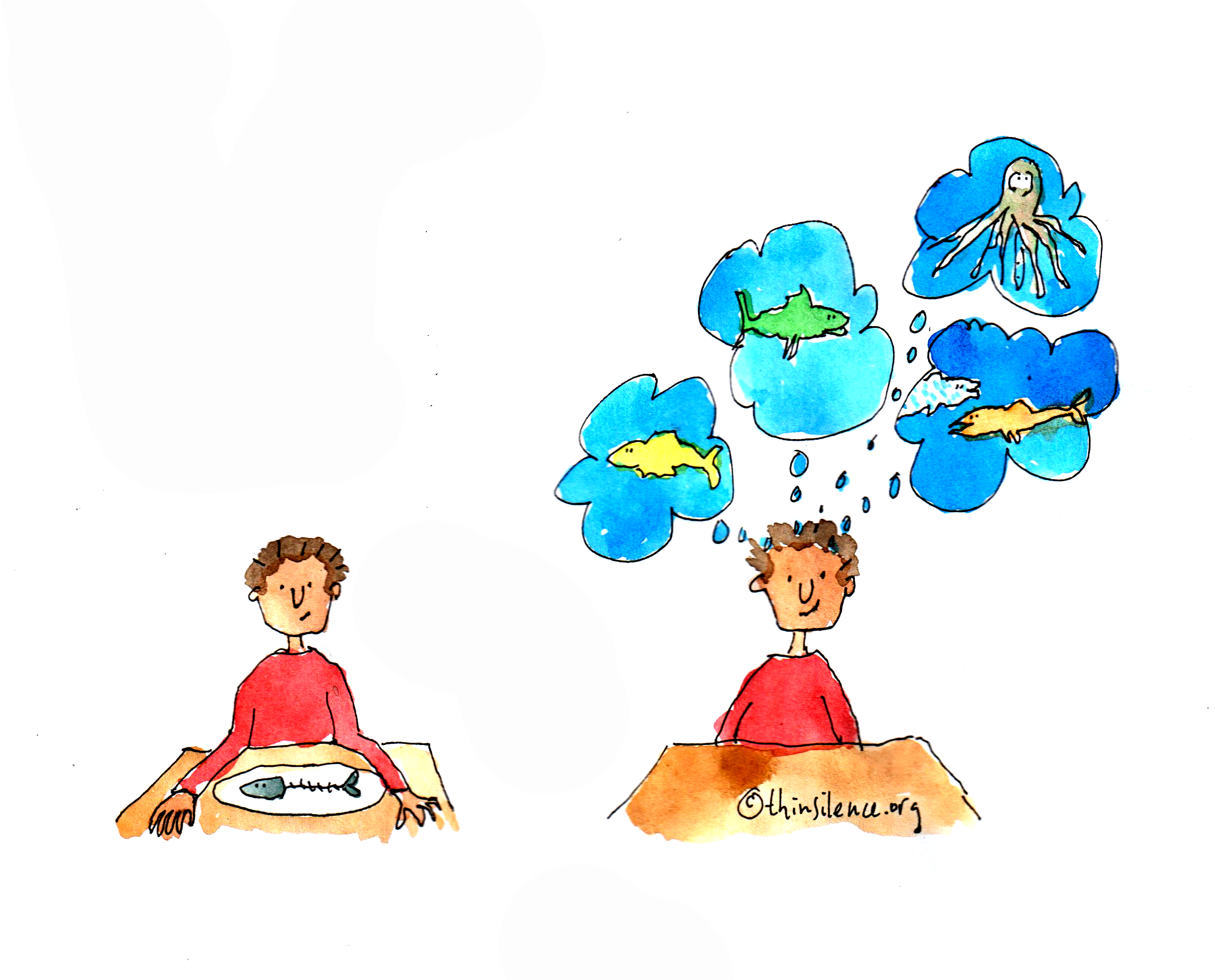
Your awakening is a gift to this world that needs you now more than ever.*
Jean Houston
The important thing isn’t to achieve your dreams, but to keep dreaming.**
James Clear
How does the saying go:
Give a person a dream and
they have something to do for the next
week or two, teach a person to dream and
they have a life of unfolding meaning and purpose.^
*Jean Houston’s The Wizard of Us;
**James Clear’s 3-2-1 newsletter: On daily discomfort, the power of acting early, and life’s greatest pleasure;
^If I can help with some dreamwhispering, let me know.
 THIN|SILENCE
✅ This reflection really landed — especially the idea of dreaming while awake and building toward it step by step. That didn’t start to feel doable for me until I took the Archetype6 quiz and realized I’m a Maven. Helped me see why I linger in thought and meaning before I move, and why rushed action always felt off.
What’s helped me move forward:
Has anyone found a way to track purpose-driven habits without making it feel mechanical? I want to stay grounded without losing the spark.
Hi there. First of all, my apologies for taking so long to respond. Summer has been full on, and now I am hoping to catch up with a slightly easier September.
Thank you for your thoughts, here. I love the things you share about mavening. I first came across this in Malcolm Gladwell’s The Tipping Point in which he writes about Connectors, Mavens, and Salespeople. I realised, as you have done, that I am a maven, sharing the ideas I have come across with whoever I can.
One way to track what you do is by keeping two lists – I love it and I loathed it – noticing what you body makes of what you are doing. We’re usually in our heads, so this exercise helps us to connect with the things that really energise us, and those things that de-energise. When you notice sense an energising or de-energising, notice what you are doing, why you are doing it (your values), who you are doing this with or for, and when are you doing it (perhaps starting something, or completing). From these you can identify, and then develop, your most enriching environments, and avoid, or manage, your most enervating or emptying ones.
Let me know if I can be of any more help.
Once again, apologies for the slow reply. Thank you for following Thin|Silence.