
Water is H₂0, hydrogen two parts, oxygen one,
But there is also a third thing, that makes it water
And nobody knows what it is.*
D. H. Lawrence
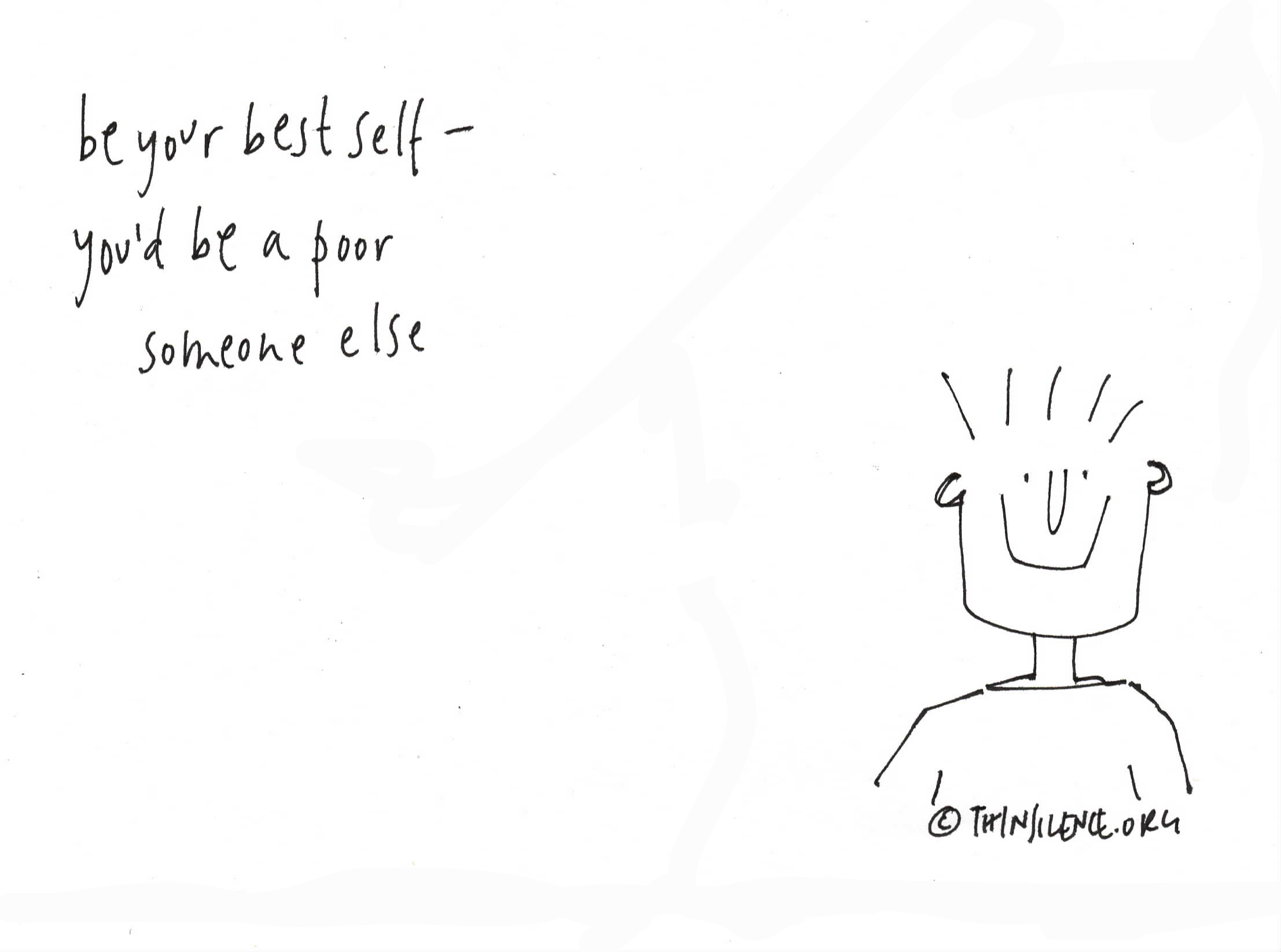
Ultimately the goal is to become the best in the world at being you. To bring useful idiosyncrisity to the people you seek to change, and to earn a reputation for what you do and how you do it. The peculiar version of you, your assertions, your art.**
Seth Godin
Whilst the Enlightenment sounded the death knell for
traditional myths, in reality it substituted its own:
What the Enlightenment did was to
develop its own set of myths,
striking pictures whose attraction
usually centres on the lure of Reduction –
the pleasure of claiming that things are much simpler than they seem.^
I understand this to be a highlighting of how
humans need myths or stories to live by –
We cannot imagine a world,
Or our existence within it, without our stories;
The good myth retains the mystery, though
a helpful definition of a myth reminds us in timely fashion:
a partial truth based on an imaginative vision
fired by a particular set of ideals,
a dream that can help us to shape our enterprises,
but will mislead us if we
trust it on its own.^
To be our fullest self, though,
We shall require our myths that
allow for more than the ordinary, connecting us to
the mystery we encounter
within.
*From D. H. Lawrence’s poem ‘The Third Thing’; Roger Deakin’s Waterlog;
**Seth Godin’s The Practice;
^Mary Midgley’s The Myths We Live By.
 THIN|SILENCE