
Interesting question.
Can we change who we basically are?
Do we need to?
Who are we, anyway, really?
We know the world needs to change. Mohandas Gandhi encouraged us to be the change we want to see. Personal change and world change are inextricably linked.
Can the baseline “me” be changed by the experiences I engage in and the choices I make?
Am I always slowly becoming a different person to the one I can be or want to be because I don’t choose?*
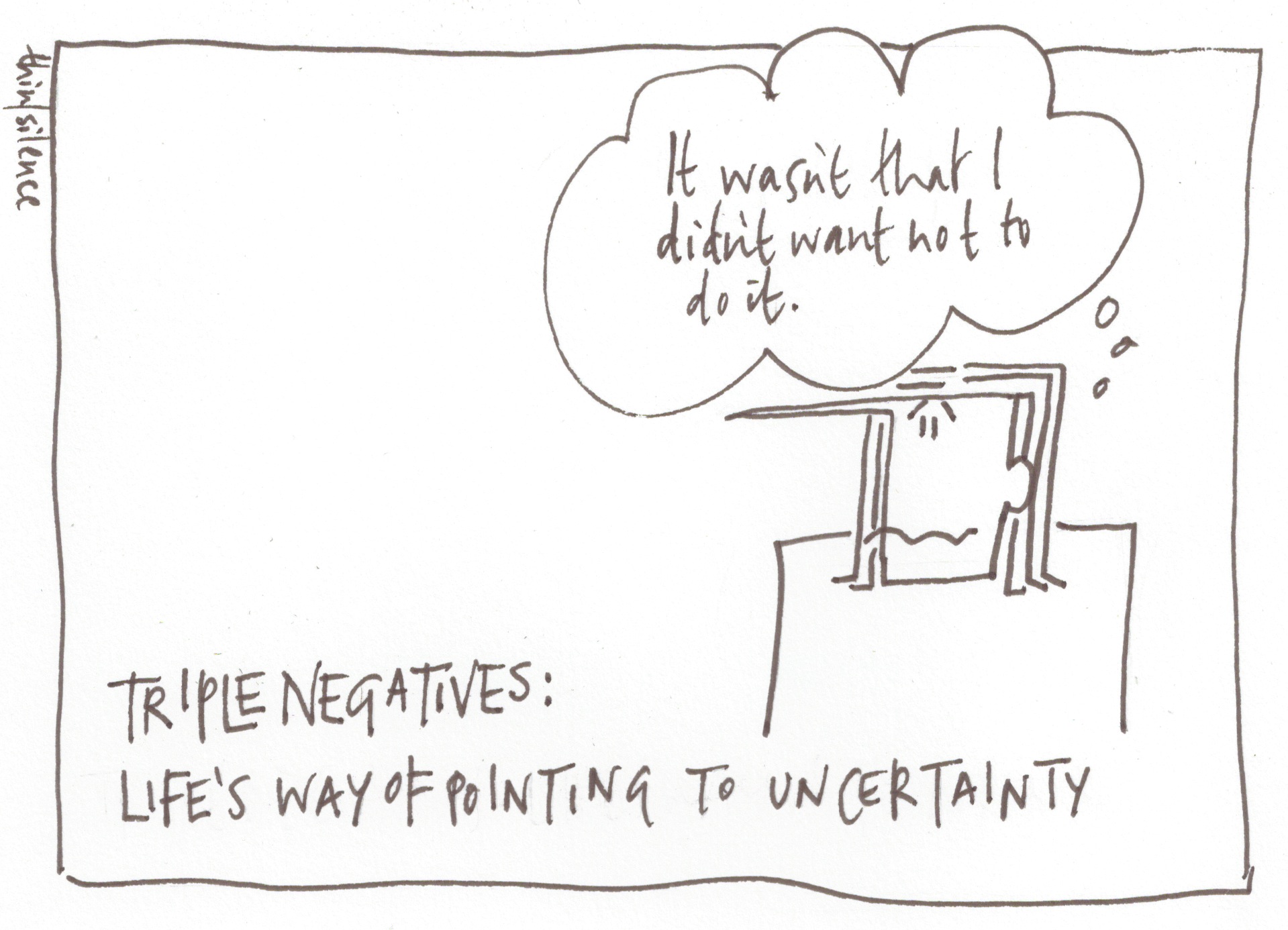
To be able to say what our life isn’t, or who we don’t want to be, can help us move forward. By elimination we discount what we don’t want to be until we’re left with who and what we do want to be.
Change for change’s sake can be helpful too. It gets us moving, and sometimes moving anywhere can be better than staying where we are.**
You could say I’m in the moving and changing business – helping people to identify points of purchase which are already within them and around them. It’s about seeing differently, to see what there is rather than what there isn’t: who they are, what they have, what they can do.
(I am realising more and more this is about being future-orientated.)
Voices which were meant to have urged us onward, to change, to become, have become voices which stand in our way. We have to get past the voices of judgement, cynicism, and fear which hold us where we are. I wonder whether these were once good voices: to have good self-judgement, to be curious about the other, and, to move forward whilst avoiding the destructive chaos are good things, allowing me to be more present to life.
Repent is a word which is thrown around as condemnation when it’s really invitation, it’s a future-orientated word, asking us to explore our future self. Not what we have been but what we can be, to be open to this, to see how it comes through others, and to live out what we see.
(*In The Self Illusion Bruce Hood argues any such thing as the person: we are an ongoing adaptation to the world around us.)
(**Change for change’s sake can also be bad, when it covers up what we really ought to do, when it’s avoidance.)
 THIN|SILENCE