serious playfulness (pilgrimage eight)

15 pilgrimage 8

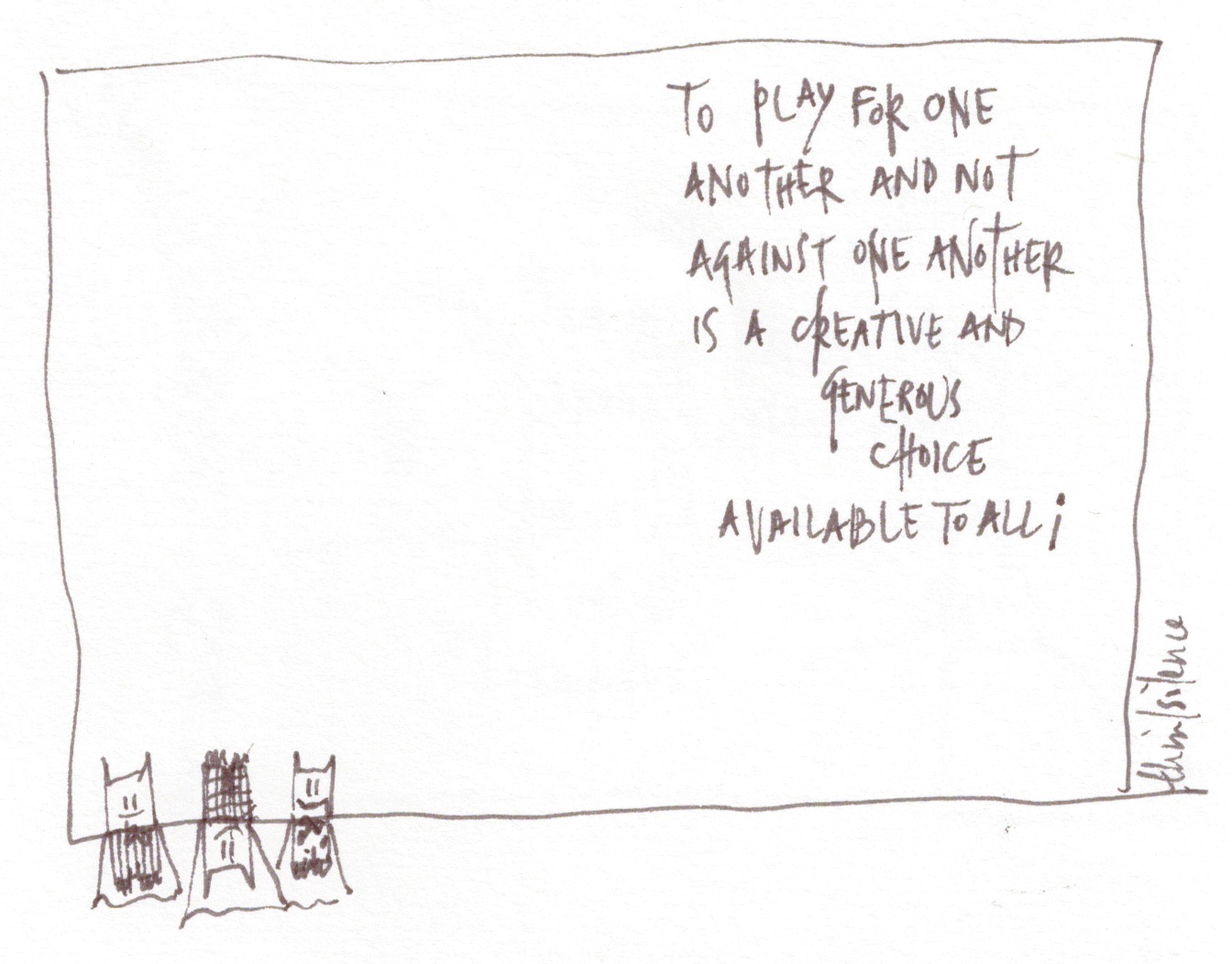
There are some things which can only emerge through playfulness, even fun.  This oughtn’t surprise us as these are very important to what it is to be Human.

Pilgrimages* are not trivial things but that doesn’t mean they are all serious; there can be a lightness and playfulness found within our exploration with others.

Erich Fromm (The Art of Being) suspects that triviality is an expression of loneliness, but those on pilgrimage together use playfulness towards a deeper inquiry within their conversation.  They know extended triviality closes down their exploration, whilst playfulness is a way of exploring greater connection to others, their world, and to their future Self.

(*For these posts, pilgrimage is an outward experience allowing for inner transformation.)
great responsibility (pilgrimage seven)

14 pilgrimage 7

I’ve just had the joy and privilege of visiting the Kennedy Space Centre where I encountered many stories of people who might be called pilgrims in space.

Many of these people journeying into space, to the moon, living in space on the spacelab, and now contemplating travelling deeper into space, have looked on the amazing planet we live on and speak of the responsibility we have to live together and care for this world.

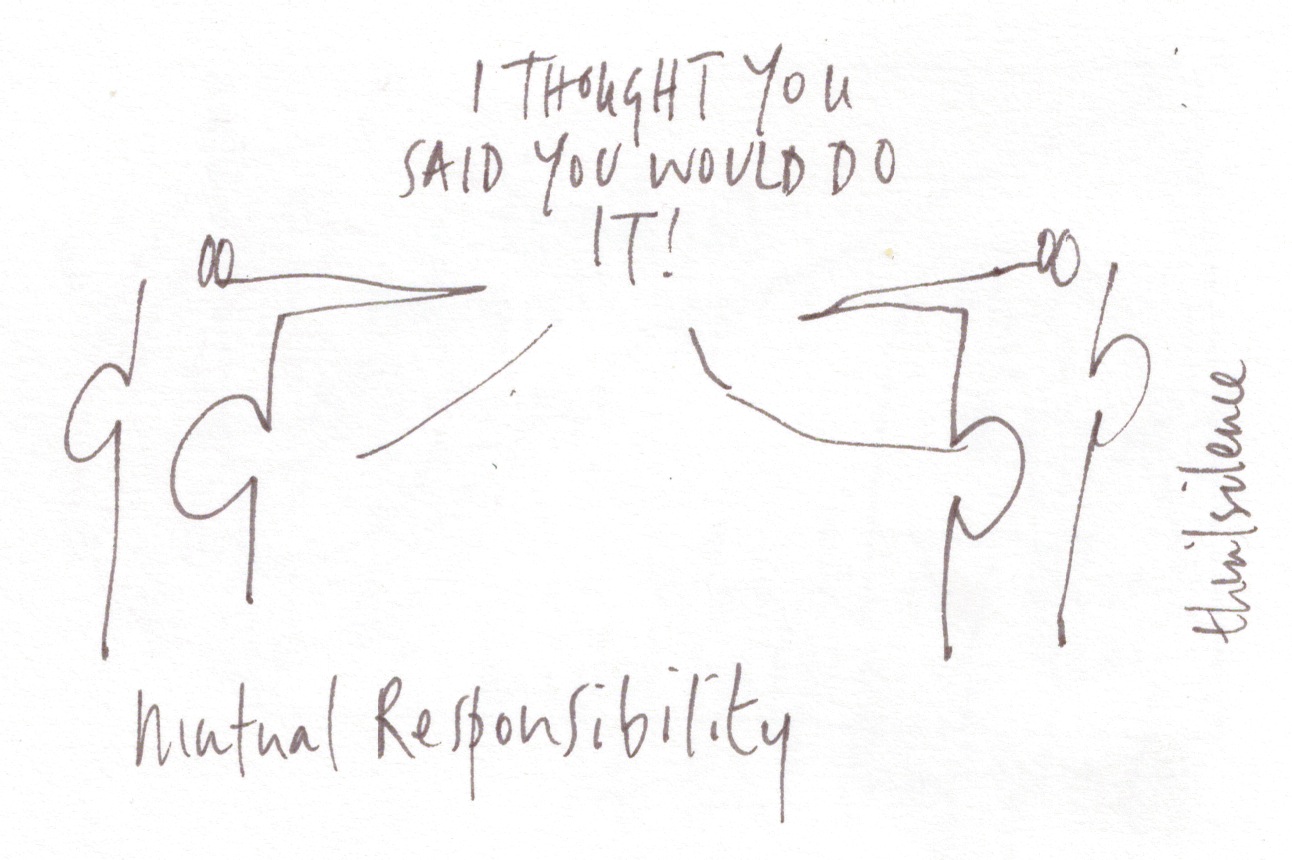
We don’t have to have an out of this world pilgrimage – although it seems to help – to understand that to be Human is a powerful thing which comes with great responsibility … not to hold back but to press on into greater creativity and generosity.

shamming (pilgrimage six)

13 pilgrimage 6

The guy serving me in Dunkin Donuts this morning (I had porridge) told me I sounded like Bear Grylls.  Even if I do sound like him – and I don’t – that would be where any resemblance ends.  Even if I spent all my time in nature and tried to live off roots and fly droppings, it would still be nothing more than a sham.

A sham is trying to say this is that.  We sometimes do this to ourselves – when we believe the delusion, when we’re blind to this is this and that is that.

This is the part of our pilgrimage when we check we’re not shamming ourselves, trying to be someone we are not.

When we experience integrity – real connection to our world, others, and our true Self, we can’t sham.*

(*I have to do neck exercises with some arthritis at the top of my spine and I can use these as an outward expression of my inquiring of things to ensure they are not sham.  I have to pull my chin into my chest, which reminds me to be humble; then I have to pull my head down to each shoulder in turn, which tells me I need to deal with my stiff-neckedness; then I have to swivel my head to look over each shoulder, and I remember I always need to see more;  and finally, whilst my hands are by my side I have to alternately invert the palms to face away and lift my arms at a right-angle and swivel my head to face each one, which reminds me it’s all about serving others.  Got anything you can use as a habit to avoid shamming?)


freeing (pilgrimage five)

12 pilgrimage 5

If you’re reading this, it’s likely you live in a country in which there is a lot of outer freedom, but there are two kinds of freedom: inner and outer.

I realise my pilgrimage is more about my inner freedom, though Erich Fromm rightly reminds me both are necessary for what he names radical or  revolutionary Humanism.

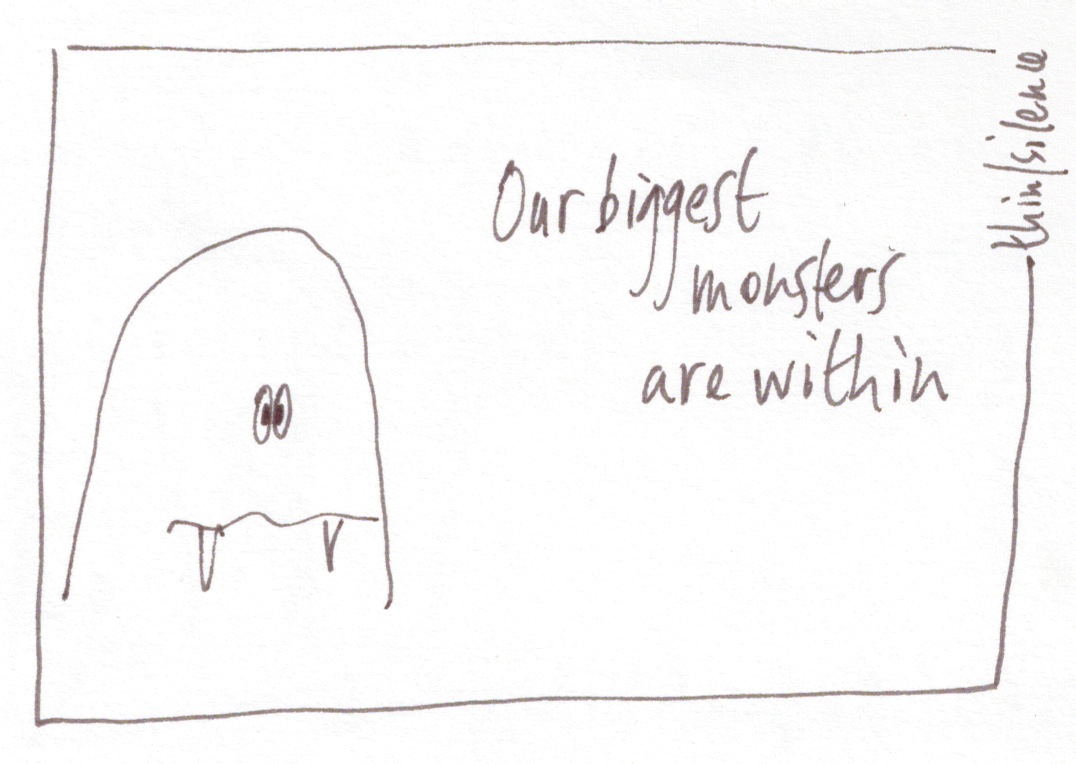
Fromm names greed and illusions as the things which shackle Humans; Henri Nouwen points to aloneness, hostility, and illusion as those things which hinder us from becoming who we potentially can be.  Otto Scharmer identifies a closed mind, closed heart, and closed will as the things which prevent us from becoming future Humans.  I often find myself thinking on pride, greed, and foolishness as being my monsters within.  All of these, and more, provide us with rich ways and means for focusing on where we need to struggle for our inner freedom.

permissioning (pilgrimage four)

11 pilgrimage 4

We all need someone to open up the way before us: a permissioner.

In turn, we become permissioners of others.

When we get the hang of this, we can permission ourselves too.

This not only covers what we do but how we do it.  When people live in attractive ways – the things which Erich Fromm named basic norms for human being – they give permission to others to live similarly.

Permissioners come from the future – what we can each be and what we can we be together.

movements (pilgrimage three)

10 pilgrimage 3

Movements are about movement.

Inner movement (our thinking, values, and motivations) being joined up to outer movements (the contribution of our “art”).

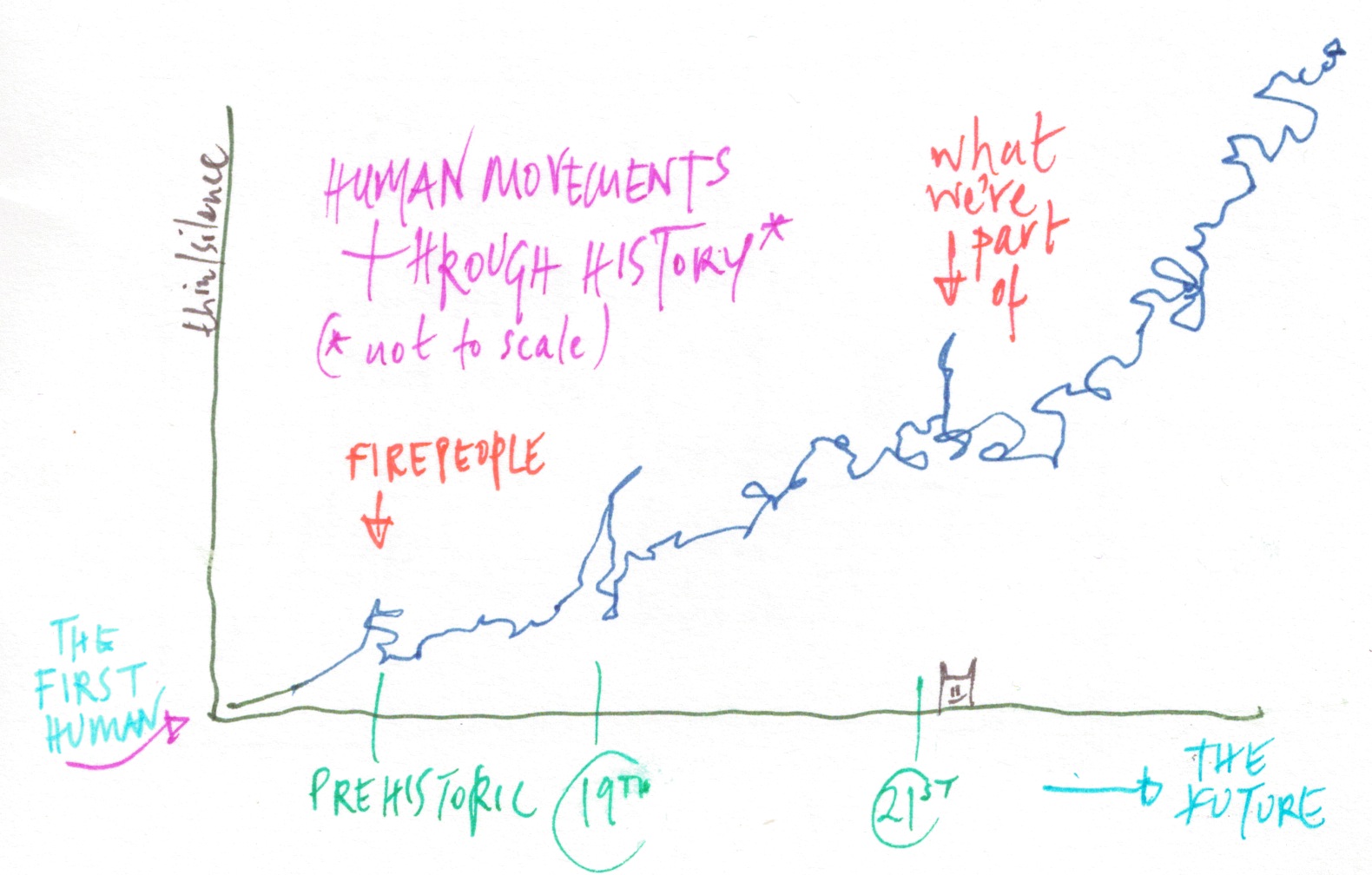
Aliveness is perceived most clearly in movement.  When we see something not moving we wonder whether it’s alive or not.  Movement people look different to non-movement people, and the world is asking that we be willing to bring our greatest aliveness to each day.

To be, Erich Fromm would say, is to be active rather than possessive.  This same thought is contained in Otto Scharmer’s Theory U: we are most present (alive) when we are producing (with others).

We do not choose to live – someone else made that decision for us.  We do quite like it, though, once we’ve tasted it.  The question is, how far will we take it?

If you are bringing your greatest aliveness to the party, you are part of a movement of people who are exploring what life can be, not for one’s self but for one another – which seems to be the thing that does it for us.

Keep moving.

paths of aliveness (pilgrimage two)

9 pilgrimage 2

How do you measure aliveness?

After agreeing the basics what would you say?  And how will you become more alive?  Because we know this is not it.  In this we are pilgrims.

Whilst this may sound like an individual thing, it’s more about engaging with others – as subject or companion.  Pilgrims help each other towards personal aliveness.  This is to be Human.

There are paths we can share with others.

There are paths we must face alone.

And oftentimes, there is no path at all.

Some are thrust into pilgrimage, others decide to embark upon it; whichever way it is for us, we look for opportunities to bring aliveness to others.

This is not the same as having.  It is about being, about an infinite game in which we seek to live our lives towards including more in the game and keeping this game going for as long as possible.

This is what occurs to me on this second day of pilgrimage.

portals for possibility (pilgrimage one)

8 pilgrimage 1

For the next few days I’m going to be on something of a pilgrimage.  Anyone can embark on a pilgrimage (an outward experience enabling an inner transformation) for any reason, in any place they wish.  The best pilgrimages enable us to mature, think, change, and grow, as Brian McLaren reminds us.

We first must pass through a portal, which may be a decision or passing through an airport departure gate as I did earlier today.

It is the beginning of something unfamiliar, something we’re not quite sure about – but also something which guarantees we will not stagnate, lose purpose, or choke.

We do not have to take a path already existing; we are developing capacity to live in new ways.

Erich Fromm would probably remind us at this point that there Is a path of having and a path of being.  This portal is about being present to more – more of our world, others, and our future Self – rather than having.

What will be your pilgrimage, investigation, expedition, odyssey?

maps and the imagined future

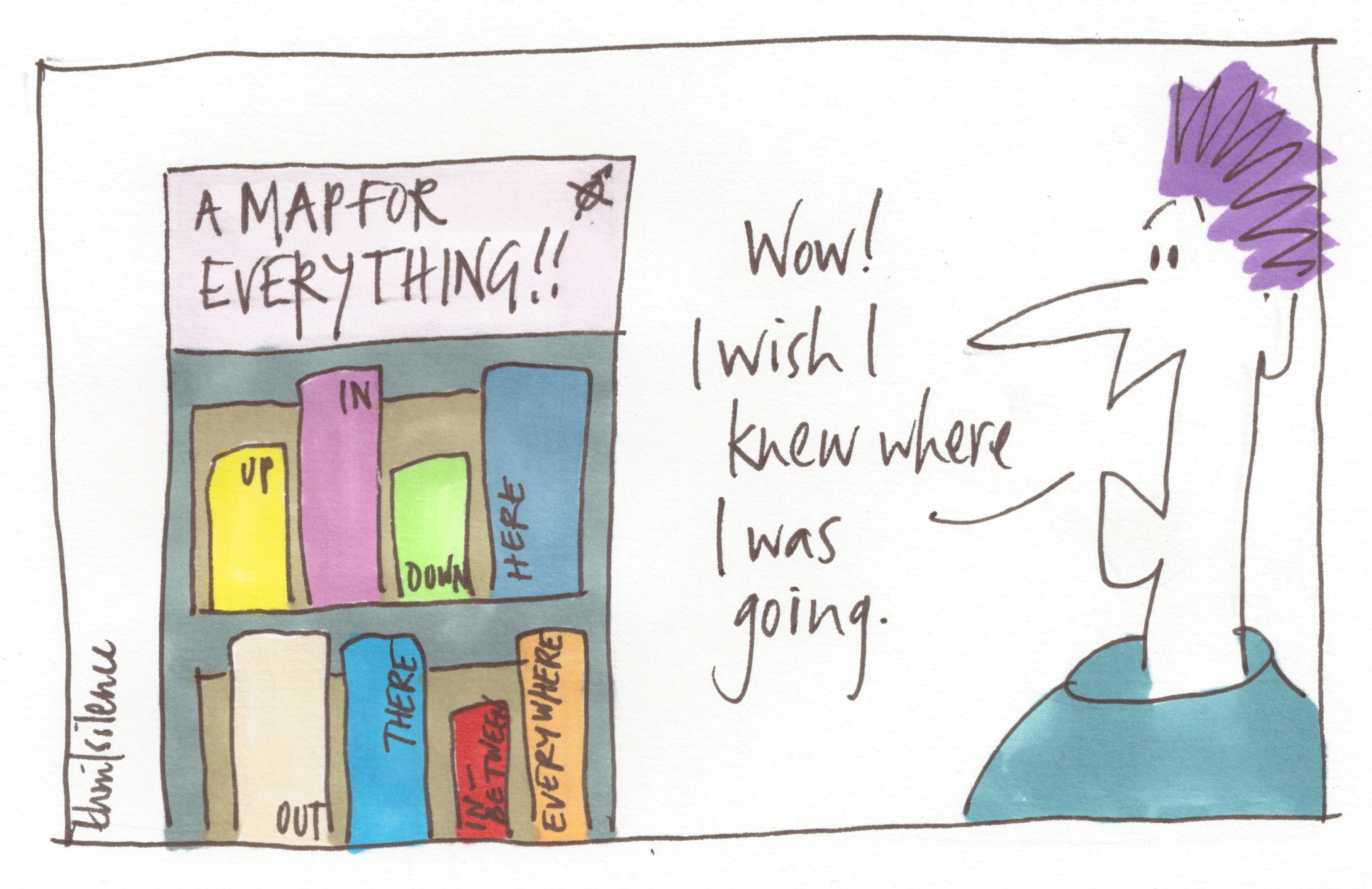
7 a map for everything 1

An Australian once told me of a trip he made to the UK.  He picked up his hire car at the airport and set out on his journey, only to find himself 200 miles past his destination before checking the map.  He hadn’t calculated in scales used for Australian and British maps were a just a little different.

Whilst maps deal in reality, they struggle with our expectations and imaginations: ‘Ultimately, the map represents us with the reality we know as differentiated from the reality we see and hear and feel.’

On the eve of a journey, I am trying to imagine what lies before me, piecing together memories and online maps with arrangements to be with people.  It’s going to be something of a pilgrimage, which I think of as an external journey which represents an inner journey. In my case, I’m exploring ideas and thoughts about my future work, my art.  My imagination is already reaching out to feel for something of what this journey might include, creating an imaginary map of the different places and people I will encounter.*  There’ll be many surprises too, things not found on any map – ‘maps are fixed in time and include only features considered relatively permanent.’

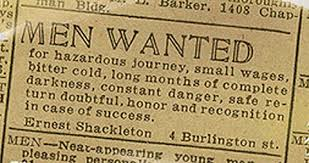
It was the possibilities not marked on an map of the Antarctic that beckoned the interest of more than five thousand men to apply for entrance to the expedition:

7 shackleton

Maps have used all kinds of materials, from lines in the sand washed away in quick time, or etched into bone to be more permanent.  Maps are also etched into Human lives.  Some of these account for journeys already completed.  Others are maps of the imagination, sketching out continents of adjacent possibility for our lives to explore.

I only want to encourage you to create some new maps.

(*Any experience or journey can be framed in such a way.)

invisible maps

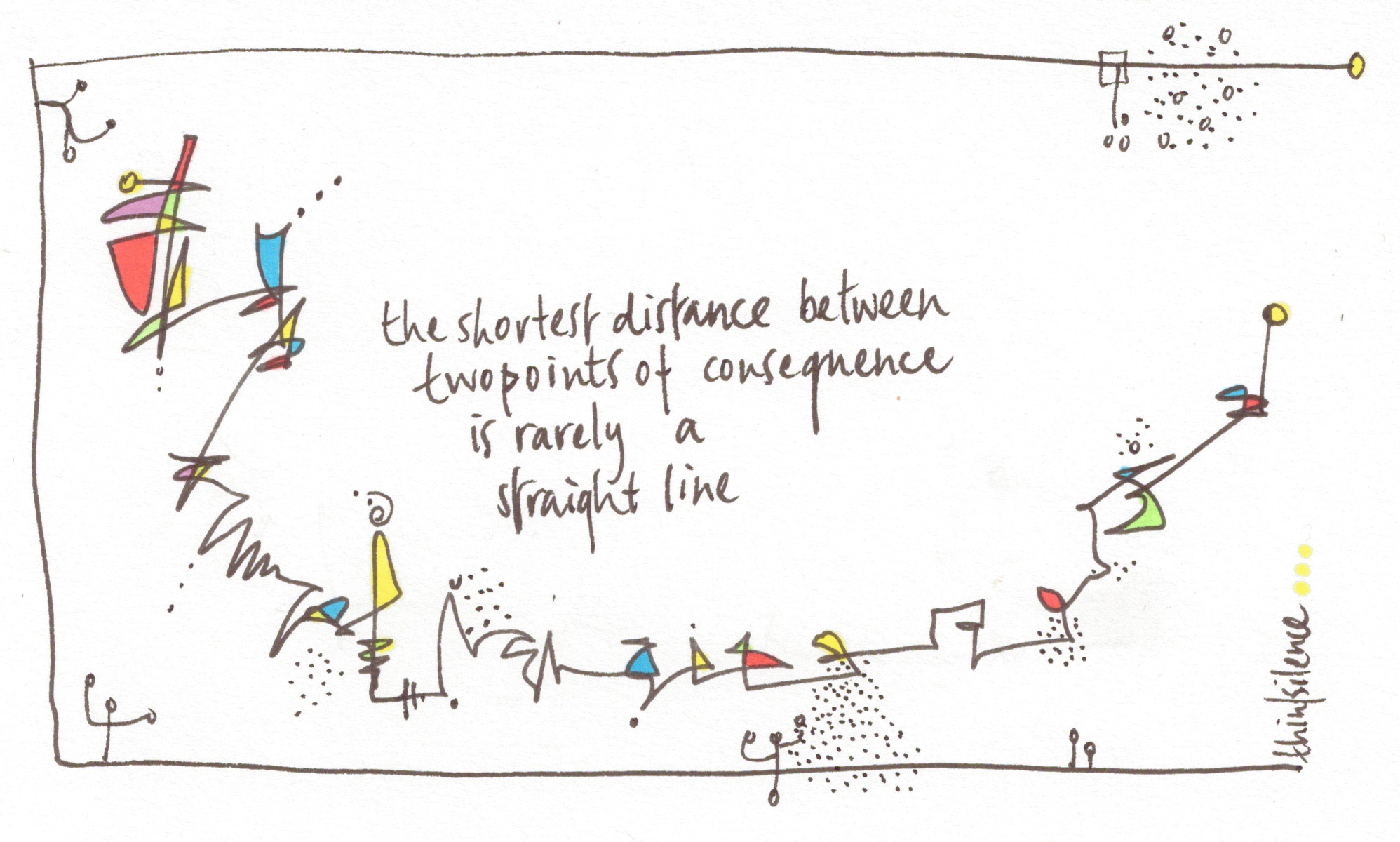
6 the shortest distance  ...

Humans are explorers.

They leave maps and follow maps and then leave new maps.

Anything can become an exploration for us: an exploration can be an inch wide and a mile deep.

Maps tell us this but not that; they tell us in this way, not that way.

The map I was following a couple of days ago didn’t tell me about the detour of more than twenty five miles!  Admittedly, it would need to be a Harry Potter’s Marauder’s Map to be able to do this.

This same trip could have been represented by many maps: maps which included contours or all the homes where someone called Angela or Friedrich lived.

We also use maps to describe our lives.  I’ve been asked to provide a description in a paragraph of what it is I do, this for an upcoming event.  I’m struggling to do this, so I’m reminding myself this has to be a map which tells this but not that.

You cannot tell me everything about yourself in one description, one map.  When you tell me “I’m only a …,” I hope you don’t believe it.  I hope you know it would take many maps to show me what your life is about.  Not only this, because maps are about what has been discovered, you’re in the process (life) of drawing new maps.

And we can share maps with each other.  Some discoveries you’ve made and recorded on your map can help me continue on a journey; maybe some of mine will help you.