Open to the inauthentic

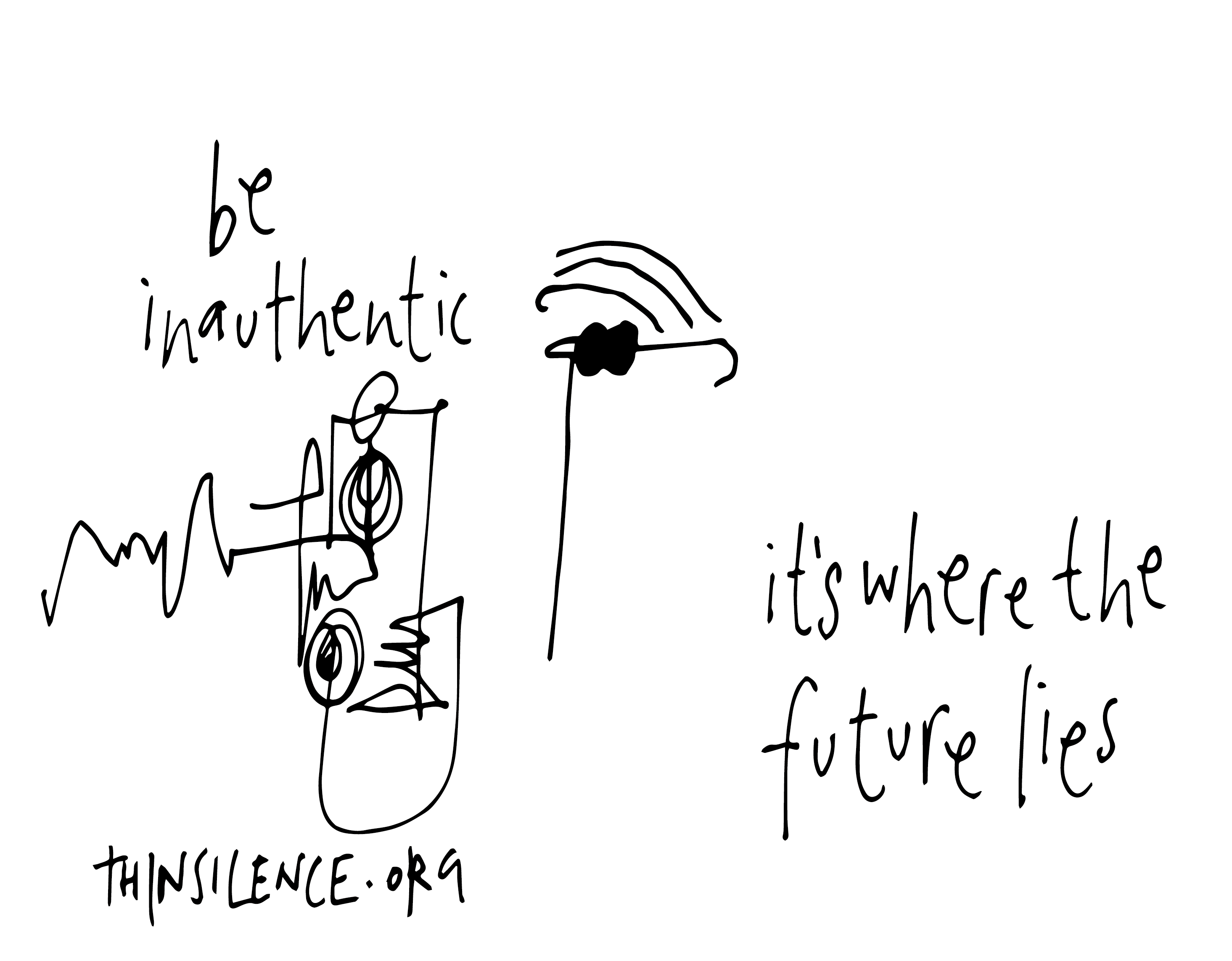
What have you and I been put on this Earth to do? Is it not the creation of the “inauthentic,” that is the purposefully crafted, in order to deliver to others the gift and simulacrum of authenticity? That’s why they call it Art, and why, in some crazy way, it’s realer than real and truer than true.*
(Steven Pressfield)

Inauthenticity is about who we can become rather than who we are; it is about openness rather than closedness.

It may mean someone chooses not to explode when their buttons are pressed. It may mean someone steps out of their tribe and walks a different path. It may mean sitting down with someone who is completely different and listening deeply to them. It may mean leaving something better instead of walking on by.

It strikes me that inauthenticity is connected to a growth mindset rather than a fixed one. I am not the final me and you are not the final you.

(*Steven Pressfield, quoted in Seth Godin’s The Practice.)
Same again

My daily activities are not unusual,
I’m just naturally in harmony with them.
Grasping nothing, discarding nothing …
Drawing water and chopping wood.*

(Layman Pang)

What we seek out is someone who sees us and promises to bring us the magic we were hoping for. Someone who has committed to rhyming with what they did yesterday.**
(Seth Godin)

One of the best gifts we can provide in our work and relationships is consistency, to bring our best and then repeat.

Many things can throw us off course. The amount of sleep we had, the things we ate yesterday, the mix of what’s going on in our lives for starters. We need to develop consistency with ourselves first of all.

So I journal, read, reflect, doodle, exercise and blog – my equivalents of drawing water and chopping wood.

This consistency helps me to open my mind, open my heart and then open my will.

What have you already got going on that can be developed into your consistent practice of drawing water and chopping wood?

(*Layman Pang, quoted in Seth Godin’s The Practice.)
(**From Seth Godin’s The Practice.)

The beauty of process

Good process leads to good outcomes.*
(Seth Godin)

Notice your process and hone it.

Your art is not the end product but what you do in order to arrive at it. It’s akin to a liturgy for you to follow (leitourgiawork for the people).

People may copy or own the outcome but they cannot copy or own the process. This is yours and it is beautiful.

It doesn’t have to wait for a muse or god or magic but is there for you to enter and perform right now.

(*From Seth Godin’s The Practice.)

The front edge

We fail and then we edit and then we do it again.*
(Seth Godin)

When we’re born we are thrust to the front edge of life, and with that comes vulnerability. Our parents keep us safe and then we have to take over, but sometimes we make ourselves too safe. If we want to live our lives at the front edge of something important – not necessarily large or recognised by the masses – then vulnerability has to be embraced:

Failure is the foundation of your work.*

So writes Seth Godin. On another occasion he penned a line that has remained with me ever since I first read it:

Fail and fail and fail again.**

Editing, or reflection, allows us to fail smarter and better each time towards the beautiful possibility off getting things right, making things better, making a difference.

Keep playing at the front edge of what captures your heart.

(*From Seth Godin’s The Practice.)
(**If only I could remember the book.)

Natural habituation

The slide toward average sands of all interesting edges, destroying energy, interest and possibility.*
(Seth Godin)

Habituation is our tendency to get used to things. Whether we’ve noticed it or to, the likelihood for the majority of us in this pandemic is we have become used to a limited way of moving through the day-to-day, and that will mean we’re missing an awful lot.

Rob Walker offers us a simple way of awakening our noticing to more, by naming a trio of things we take for granted, or that others do but we don’t.**

This kind of thing always gets me thinking about what we’re missing about our lives: our values, talents and energies. It’s worthwhile nothing these if we want to leave chronic habituation behind. I’m offering a Thin|Silence special online for this. Watch this space.

(*From Seth Godin’s The Practice.)
(**From Rob Walker’s The Art of Noticing newsletter: Against Habituation.)

The dance of intent

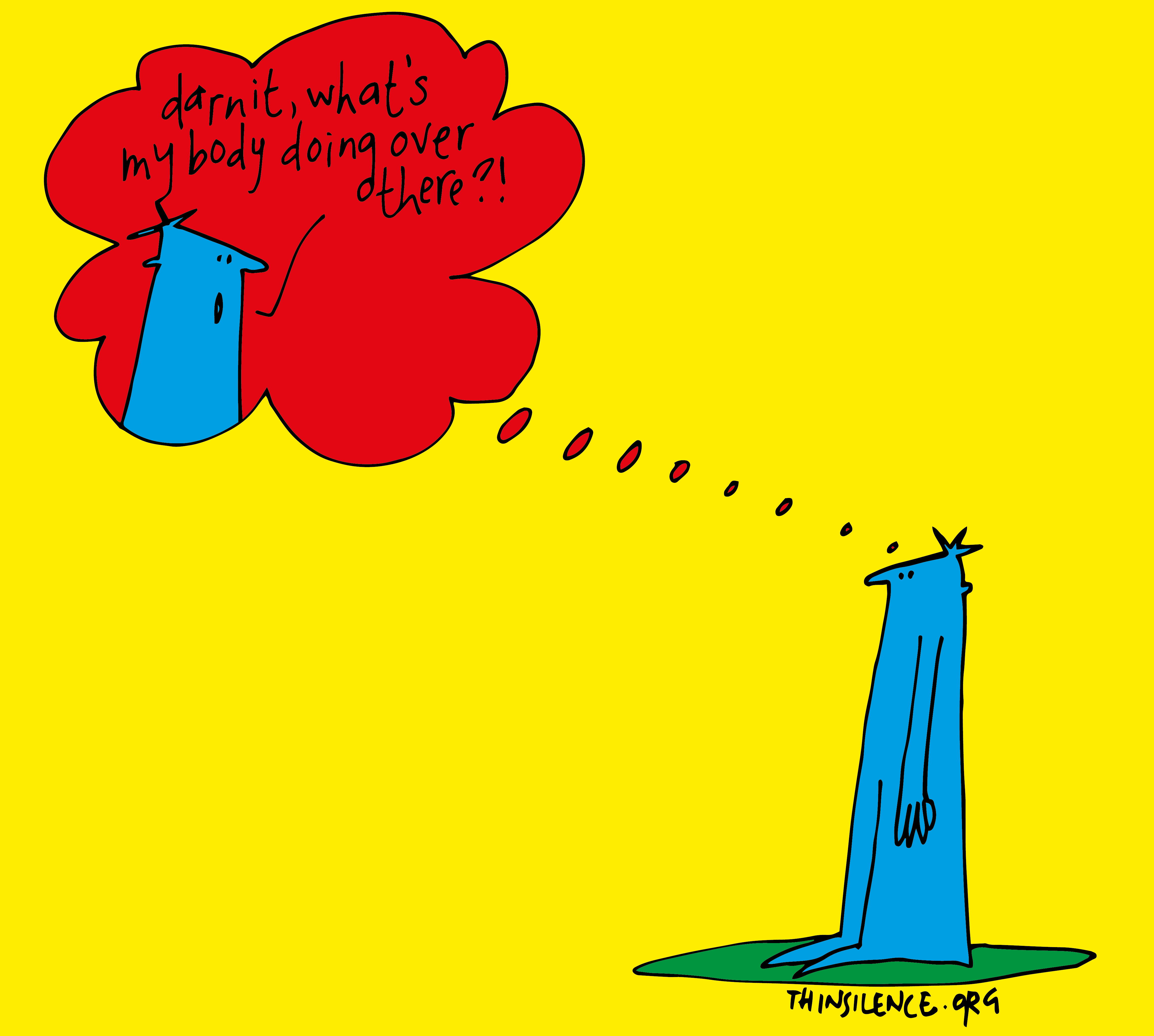
Whatever our intents of the day or in life, we will need our bodies in order to make these happen.

We hardly notice this until we have to, but paying more attention so that we enable our bodies to build up their memories will make it possible to do the things we must even when our thoughts and feelings are resistant, whether it be journaling, coming to our place of work, walking away from something, listening, getting up in the morning, making a journey.

We may want to do these things but our bodies may be too “weak,” and yet, like a trained dancer, when honoured and honed the body can help us perform what it is we have in mind to do, rather than the brain shouting its orders and the body clunkily following.

Why not notice the ways in which your body supports you in some of the most important things to you; how can you improve these actions?

Don’t worry, keep practising

Worrying is the quest for a guarantee, all so we can find the confidence to press on. […] Reassurance is futile […] There will never be enough.*
(Seth Godin)

And can any of you by worrying add a single hour to your span of life?**
(Jesus of Nazerath)

The alternative to worrying is to get on with our work, that is the contribution we have determined to bring into the world. We have been developing a practice towards this – we may just need to see it for what it is and keep developing it:

The practice is choice plus skill plus attitude. We can learn it and we can do it again.*

What have we chosen to do? What are our talents? What must we stick with each day? This is our practice. It’s a heady brew.

When we are overwhelmed, when we are distracted, when we face the negative thoughts, it is where we need to bring ourselves back to.

There are no guarantees, but if the alternative is to worry instead of practising, one outcome is certain. When we return to our work, though, there is something powerful about the practice and that produces hope in us, and hope always outweighs worry.

I’ll be sharing a little more about how you can identify and hone your practice; watch this space.

(*From Seth Godin’s The Practice.)
(**Matthew 6:27)

The calling

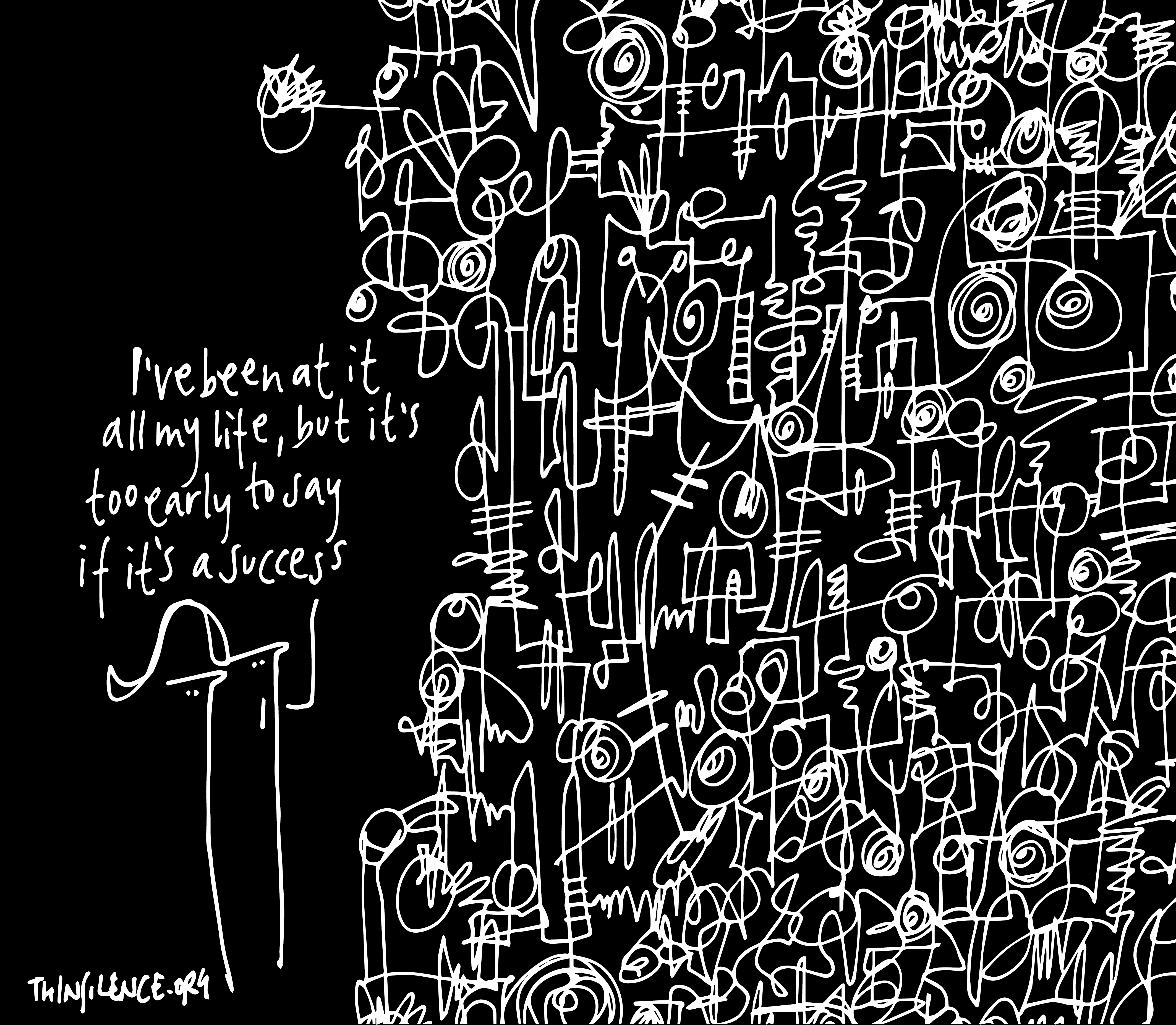
Don’t aim at success – the more you aim at it and make it your target, the more you are going to miss it. For success, like happiness, cannot be pursued; it must ensue … as the intended side effect of one’s personal dedication to a course greater than oneself.*
(Mihály Csikszentmihalyi)

It means everything to you but many will not care about what you are doing, others may even hate it, and yet the lives of some will be transformed, including your own.

Successful?

(*From Mihály Csikszentmihalyi’s Flow.)

The infinite field

A refined soul is in general one with the gift of transforming the most limited taks and the most petty object into something infinite by the way in which it is handled.*
(Friedrich Schiller)

What matters most in the end?

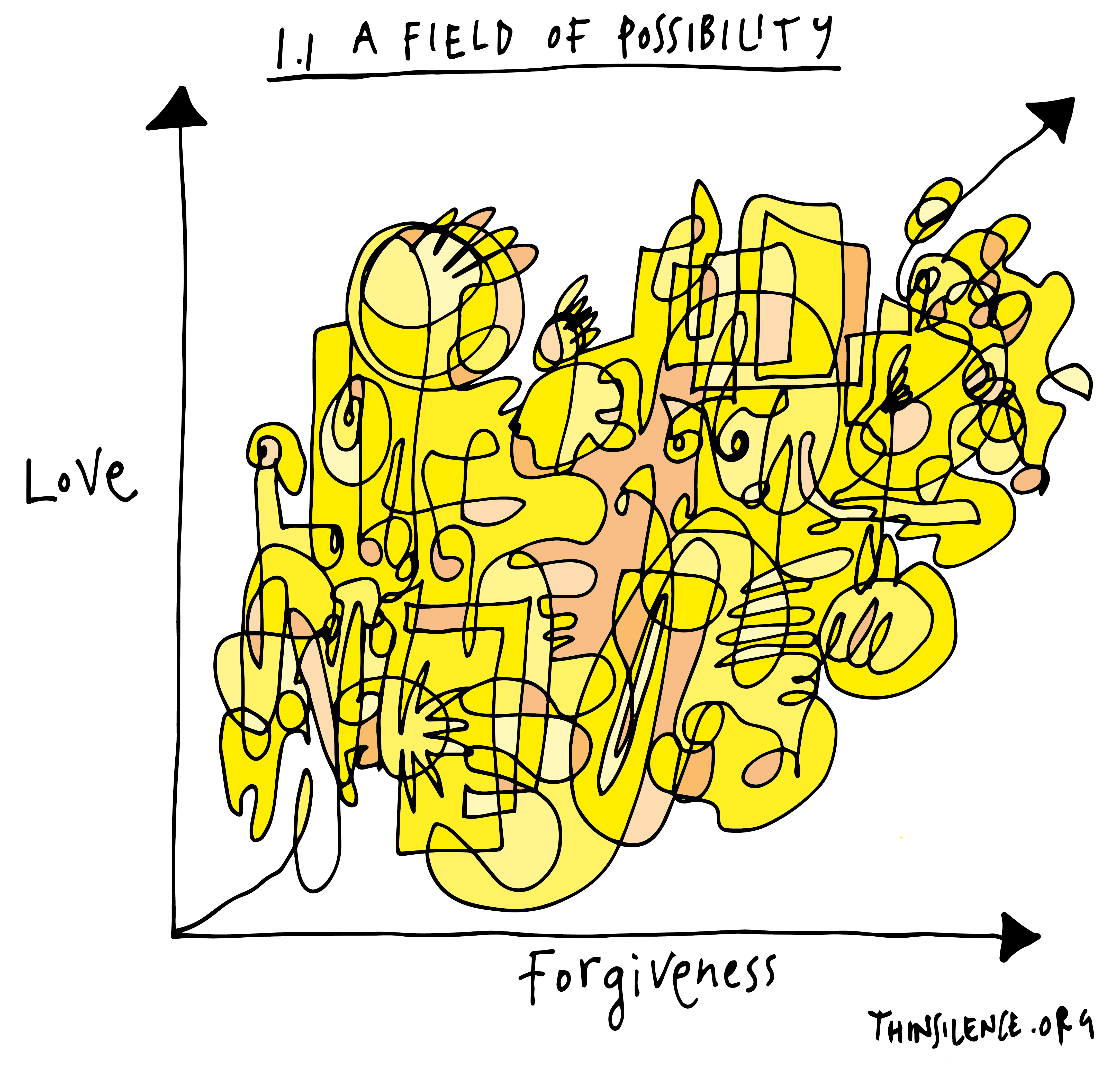
Is it not love in all its dimensions and aspects – compassion, passion, etc.?

Add forgiveness to this and you have a fascinating dynamic – the possibility of starting over following failure and towards wisdom.

Love and forgiveness open an infinite field of possibility, a natural environment for the True Self to grow, to become a generator of the field.

(*From Friedrich Schiller’s On the Aesthetic Education of Man.)

Life forward

It is no surprise that historic male initiation rites forced the young man to face both God and death head-on – ahead of time – so he could know for himself that it could do his True Self no harm – but in fact would reveal it.*
(Richard Rohr)

Richard Rohr revisits the fifth elemental truth that he first wrote about in Adam’s Return, rites of passage that work for all of us as we seek to bring our gift and make our contribution:

Life is hard
You are not as special as you think
Your life is not about you
You are not in control
You are going to die.

The idea being that we face these truths sooner rather than later that our False Self dies and our True Self is freed to live.

It means that the richest and most meaningful thing we want to do with our lives will cost us everything, but, as mythologist Joseph Campbell counsels, we must follow our bliss. There’s no other way to live; the last thing we want to do is reach the end of our lives knowing that we never pursued our deepest joy.

(From Richard Rohr’s Immortal Diamond.)