“Here, I made this.” … These four words carry with them generosity, intent, risk, and intimacy. The more we say them, and mean them, and deliver on them, the more art and connection we create, And we create change for a living.* Seth Godin
Listening is about being present, not just about being quiet. I meet others with the live I’ve lived, not just with my questions.** Krista Tippett
I also made it for me. In fact, the best things I will ever share matter to me, are my treasure: Two myths help us to be fully human: One is personal, The other is social.^
Everything has to work. A new idea or an invention had to be capable of rational proof and be shown to conform to the external world. Karen Armstrong
There is something lying beyond the perfect of logos, Not imperfect as such, but more human, more lively, more beautiful. Joseph Campbell spoke of our need for new myths, For two myths:** A personal myth and a social myth, To understand life and our place in the world; The old myths, Campbell said, no longer serve us as we need them to in our logos-shaped world: Karen Armstrong concurs: Like poetry and music, mythology should awaken us to rapture, even in the face of death and the despair we may feel at the prospect of annihilation. If a myth ceases to do that, it has died and outlived its usefulness.* But myths have been with us since the earliest burial rites, And they will be with us for our future, Not the little stories of social media and weekends and holidays, but the extraordinary tales of the greater good of our lives and how we connect with our ailing world and enjoin with others – these stories held in so many rituals that reveal The beauty of their activeness.
look everywhere for difference, … see the earth as source, … celebrate the genius in others, [be] not prepared against but for surprise* James Carse
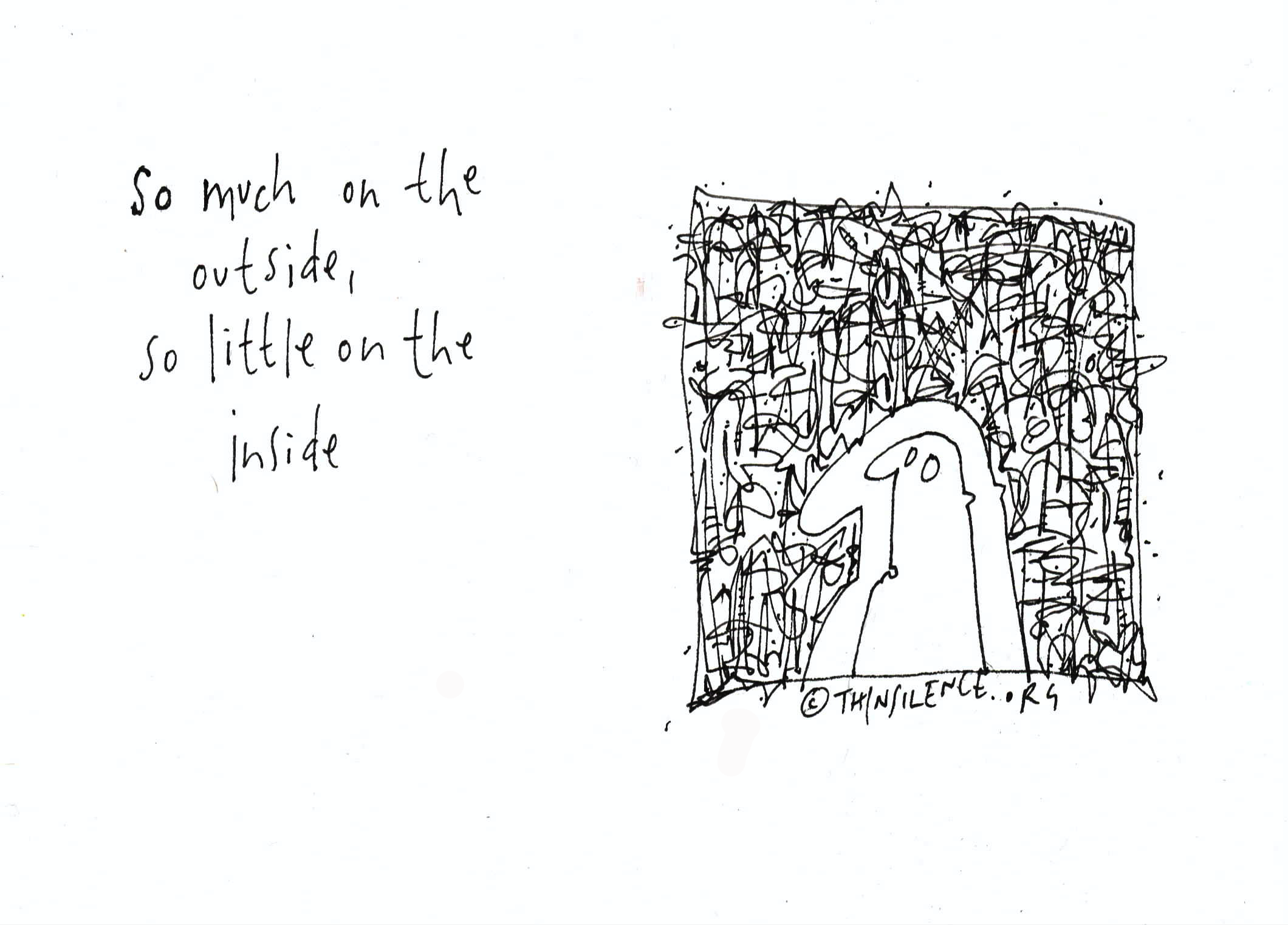
As we become people with more on the inside – Love joy peace patience kindness goodness faithfulness gentleness and such – We find that we are able to see more on the outside.
Mythology was … designed to help us to cope with the problematic human predicament. It helped people to find their place in the world and their true orientation.* Karen Armstrong
Our False Self is precisely our individual singularity in both its “Aren’t I wonderful!” or “Aren’t I terrible!” forms. Both are their own kind of ego trip, and both take the tiny little self far too seriously.** Richard Rohr
We living a false tale when it’s all about us, Or its all about others. Joseph Campbell spoke of our need for two myths: The personal and the social; When these are in place, Influencing each other, Then we have probably found our true story.
The True Self has knocked on both the hard bottom and high ceiling of reality and had less and less need for more verbal certitudes or answers that always fit. It has found its certainty elsewhere and now lives inside a YES that is so big that it can absorb most of the little noes.* Richard Rohr
My fascination with genius and my openness to God were both rooted in a desperate search for something to translate my life from the mundane to the transcendent. … One thing I have learned over my lifetime: We search for what we lack, and we long for what we fear we don’t possess.** Erwin McManus
There is more inside of us than we know – We are full of adjacent possibilities for how we might mix our talents and values and energies. Life is our opportunity to explore, Not just a part of it – Our youth or our working years, but all of it, Moments upon moments of expression for what we uncover, So it’s never too late to begin – Indeed, we’ll simply find more treasure towards our richer story. Erwin McManus won’t know this, but it was a week spent with him more than seventeen years ago that set me on the trajectory of the dreamwhispering work I do today; His fascination helped me to keep seeking and asking and knocking.
I have just completed a book of doodles and thought someone out there may like to have it for a donation of £50 to a homeless charity this winter. There are almost 100 original doodles in the book. Drop me a line to let me know if you are interested.
On a quest, the process of transformation is at least as important, maybe more so, than the destination we’re trying to reach.* Sunil Raheja
“So far” and “not yet” are the foundation of every successful journey.** Seth Godin
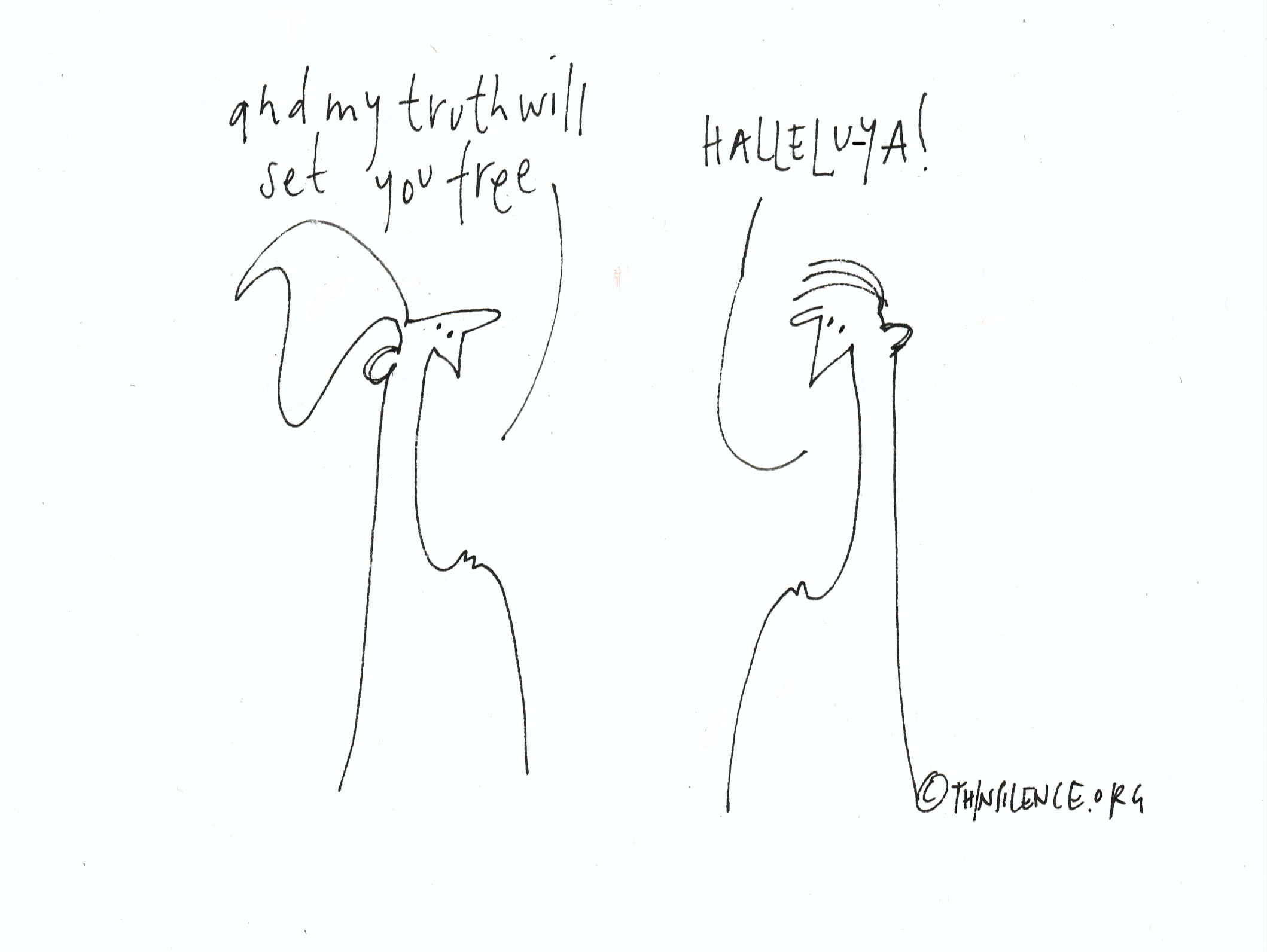
“But it’s true!” So what, Badness is true, but we don’t want more of that, We want more goodness – Humility, gratitude and faithfulness are truths that show much promise. The best truth transforms us in this direction and is always a work in progress. If I see you’re really trying hard with your truth then it may well set me a little more free.
The best stories are vulnerable but not raw; they come from scars not wounds.* Bruce Feiler
Almost everyone is screwed up, broken, clingy, scared, and yet designed for joy.** Anne Lamott
The things we’ve got wrong, The messes we’ve made, The errors we’ve perpetrated, The flaws that adorn and decorate our lives, These work against us, Dictating our teleos, Reducing our options – Right? It seems not; There is not only reality but also imagination – Story, And when these play together, something wildly wonderful emerges.
Mythology opens the world so that it becomes transparent to something that is beyon speech, beyond words – in short, what we call transcendence.^
As our circumstances change, we need to tell our stories differently in order to bring out their timeless truth.* Karen Armstrong
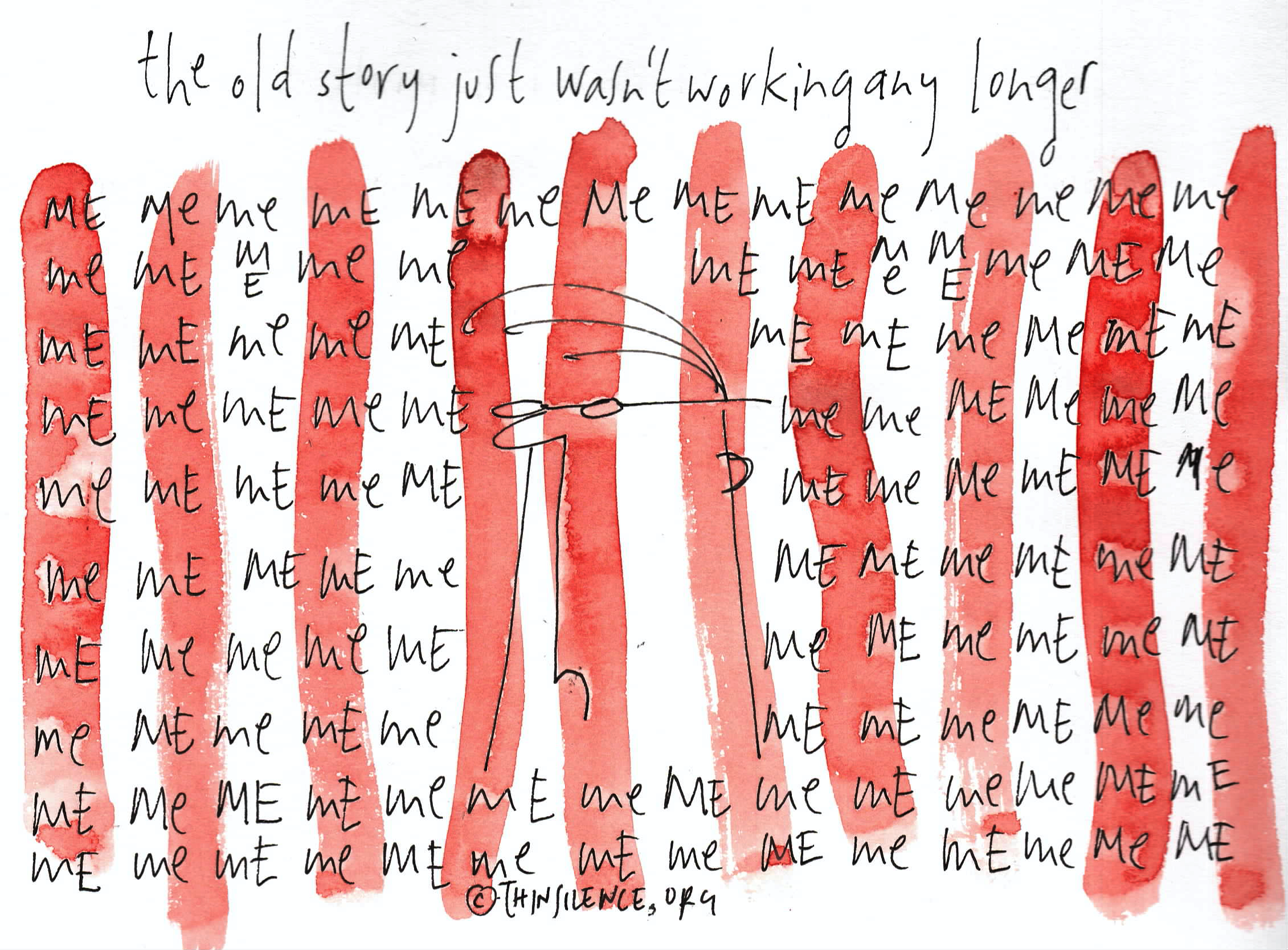
That’s what humans do: we make and remake our stories, abandoning the ones that longer fit and trying on new ones for size.** Katherine May
Our ego, or false self, is the enemy, restricting, constricting us to be less than we can be. Each one of us struggles with false versions of our self, Sunil Raheja’s^ four signs of egocentricity helping us to see just how: Playing the comparison game, Defensiveness, Needing to display our brilliance, Needing to be liked and accepted. These shape a story we find ourselves living within, But the good news is that we can tells our stories differently. It is possible to be the brilliant and unique person that you are, Shaped by humility and gratitude and faithfulness. Perhaps counterintuitively, These remove the restrictions, Setting us free.
Acknowledging the reality of the extended mind might well lead us to embrace the extended heart.* Annie Murphy Paul
You have the right to remain silent. But I hope you won’t. The world conspires to hold us back, but it can’t do that without our permission.** Seth Godin
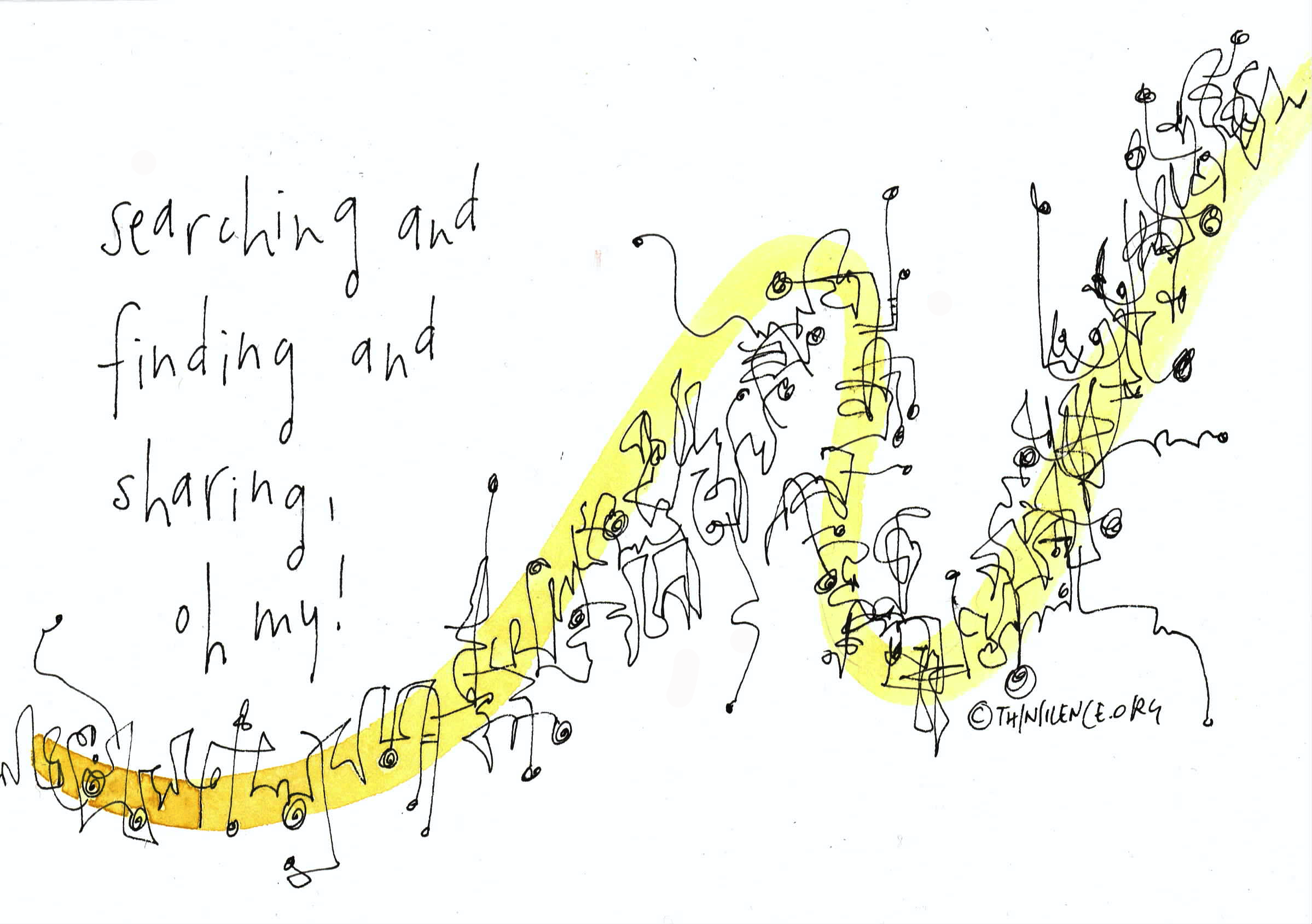
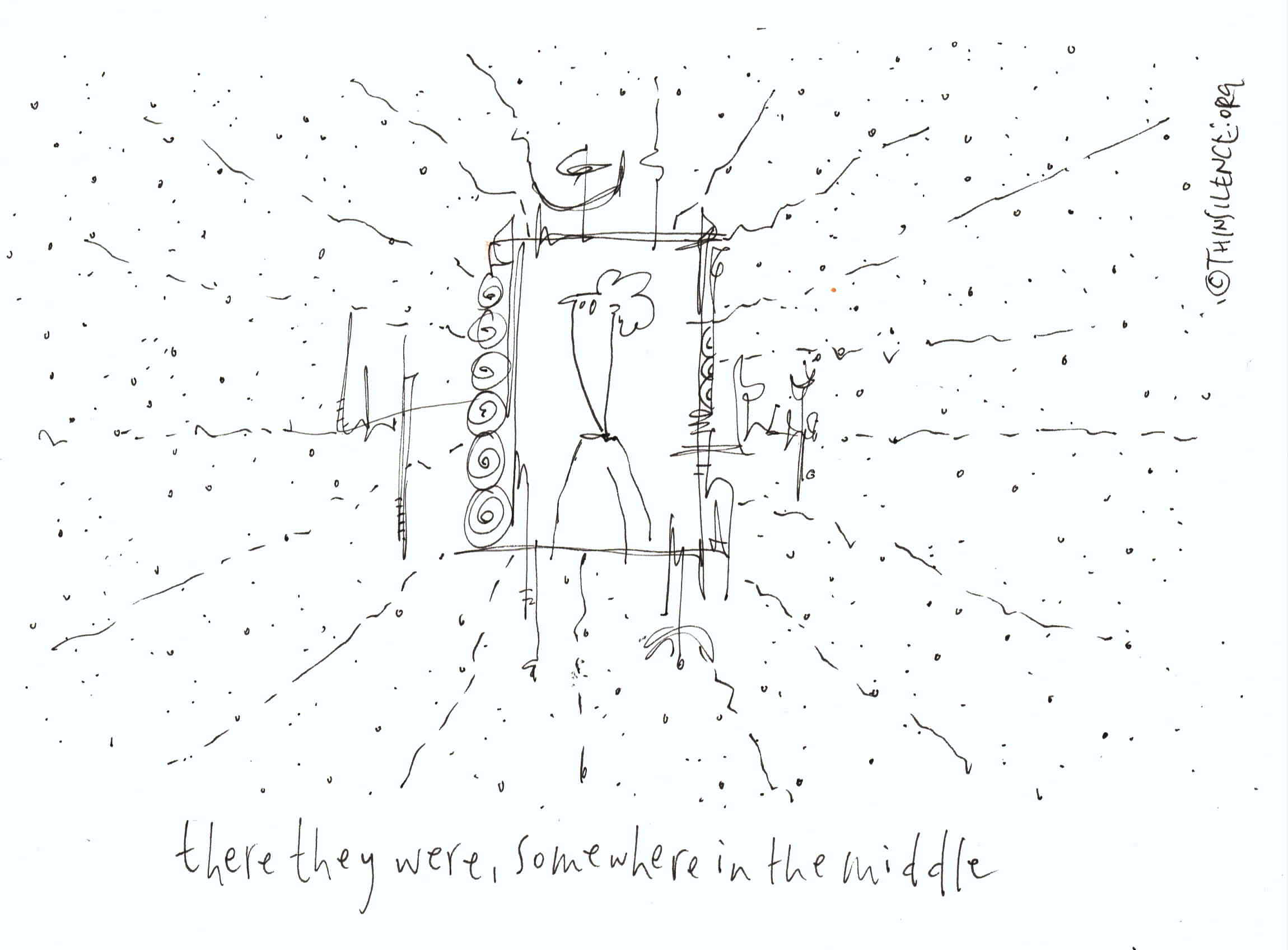
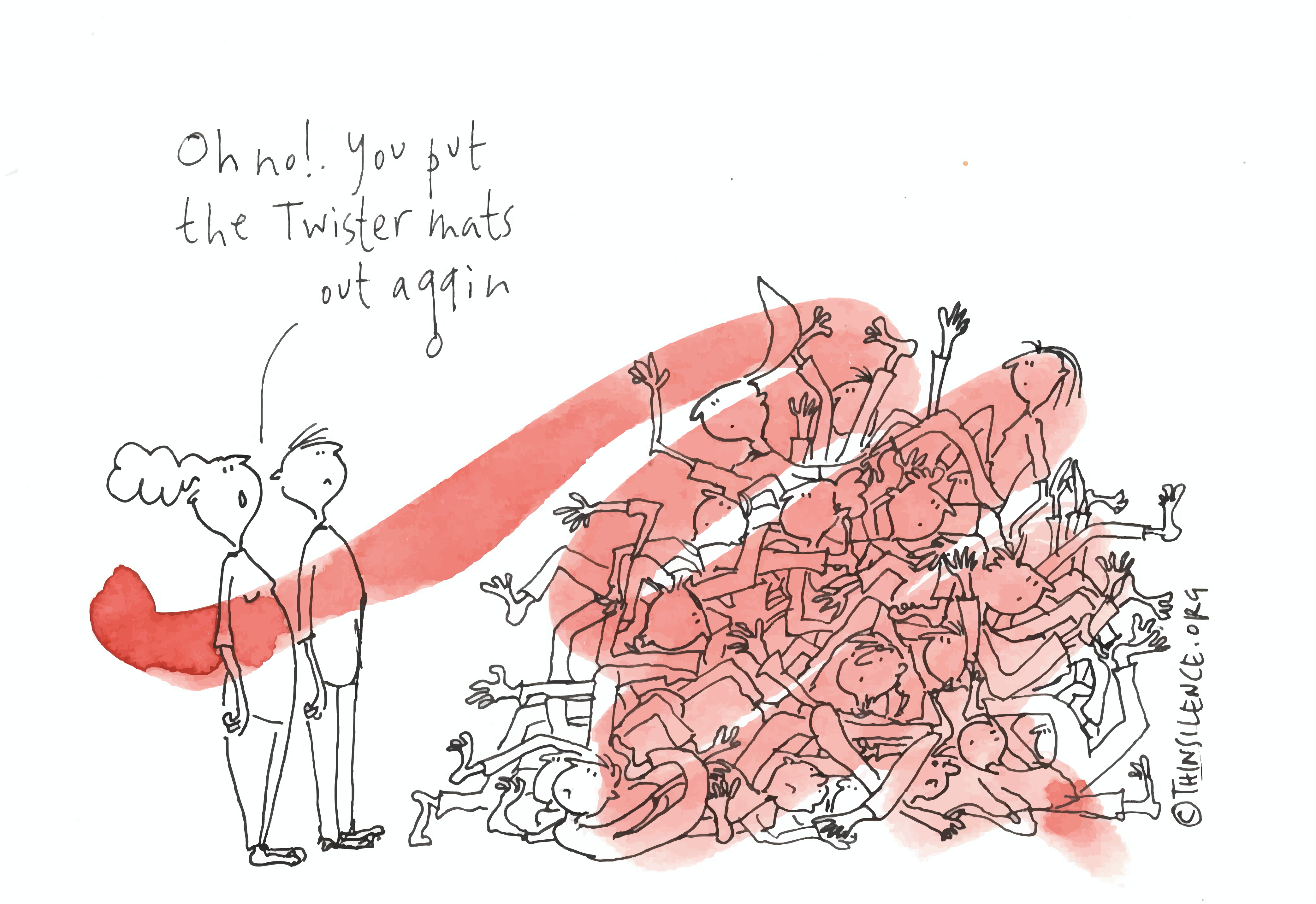
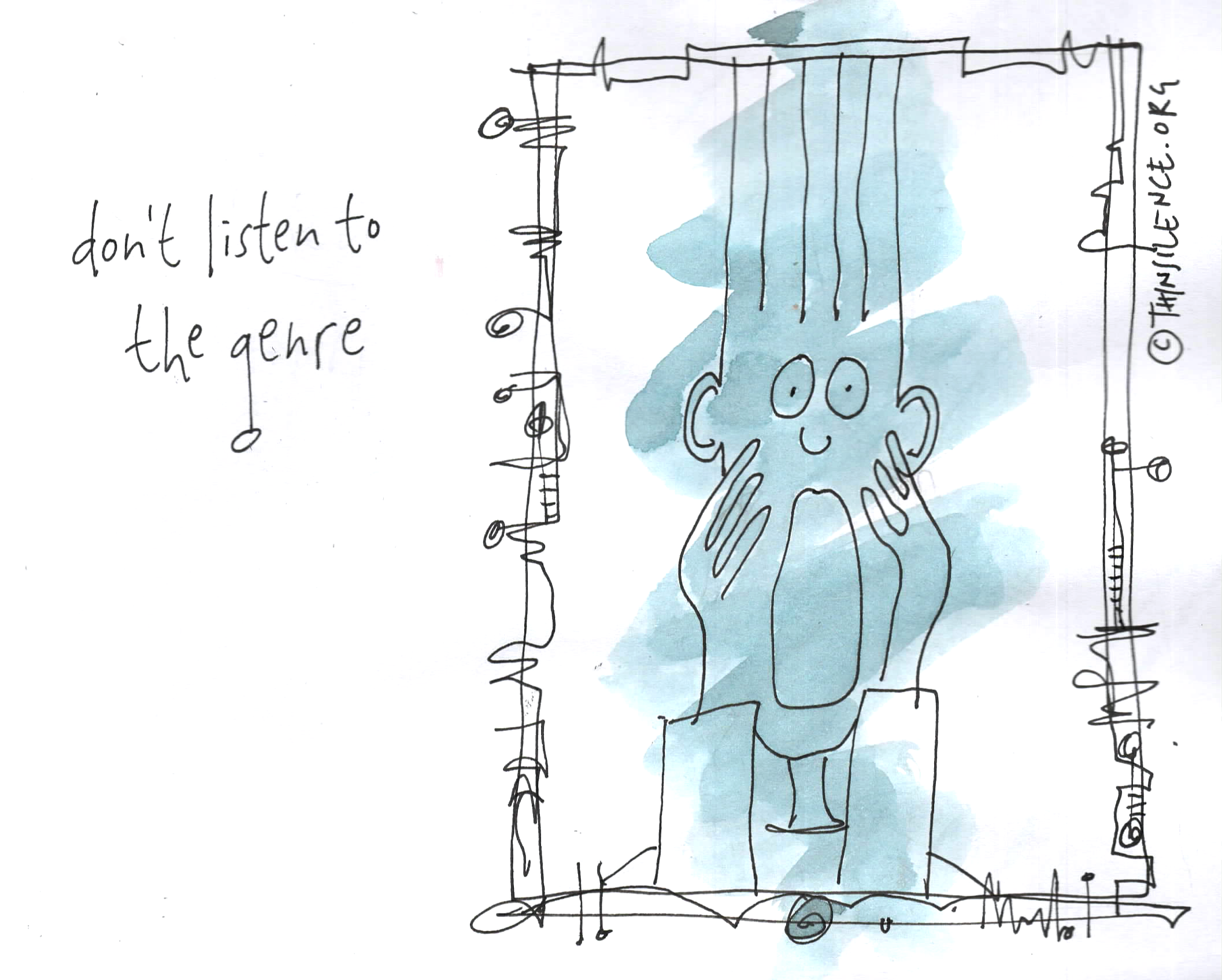
I’ve been asked to write a blog about doodling at Christmas, So I thought to share one of the things here that I’ll be including: Doodling extends the mind. And by Annie Murphy Paul’s argument, Potentially the heart – I would also add the will. Here’s Paul’s list of mind extensions: Interception (being more aware of what our body sensations are telling us), Movement, Gesture, Natural settings, Designing built environments, Space of ideas, Thinking with: Experts, Peers, Groups. Doodling appears as an expression of movement, When we are stuck with text, we can keep our hand – And our mind – Moving with a doodle. When we’re doodling, we’re listening, We’re moving with what we’re listening to:
One study found that people who were directed to doodle while carrying out a boring listening task remembered 29 percent more information than people who did not doodle, likely because the latter group had let their attention slip away entirely.*
There are lots of other reasons why doodling is good for us, But I thought you’d like to know this one and have a play.



 THIN|SILENCE
You must be logged in to post a comment.