our help comes from beyond

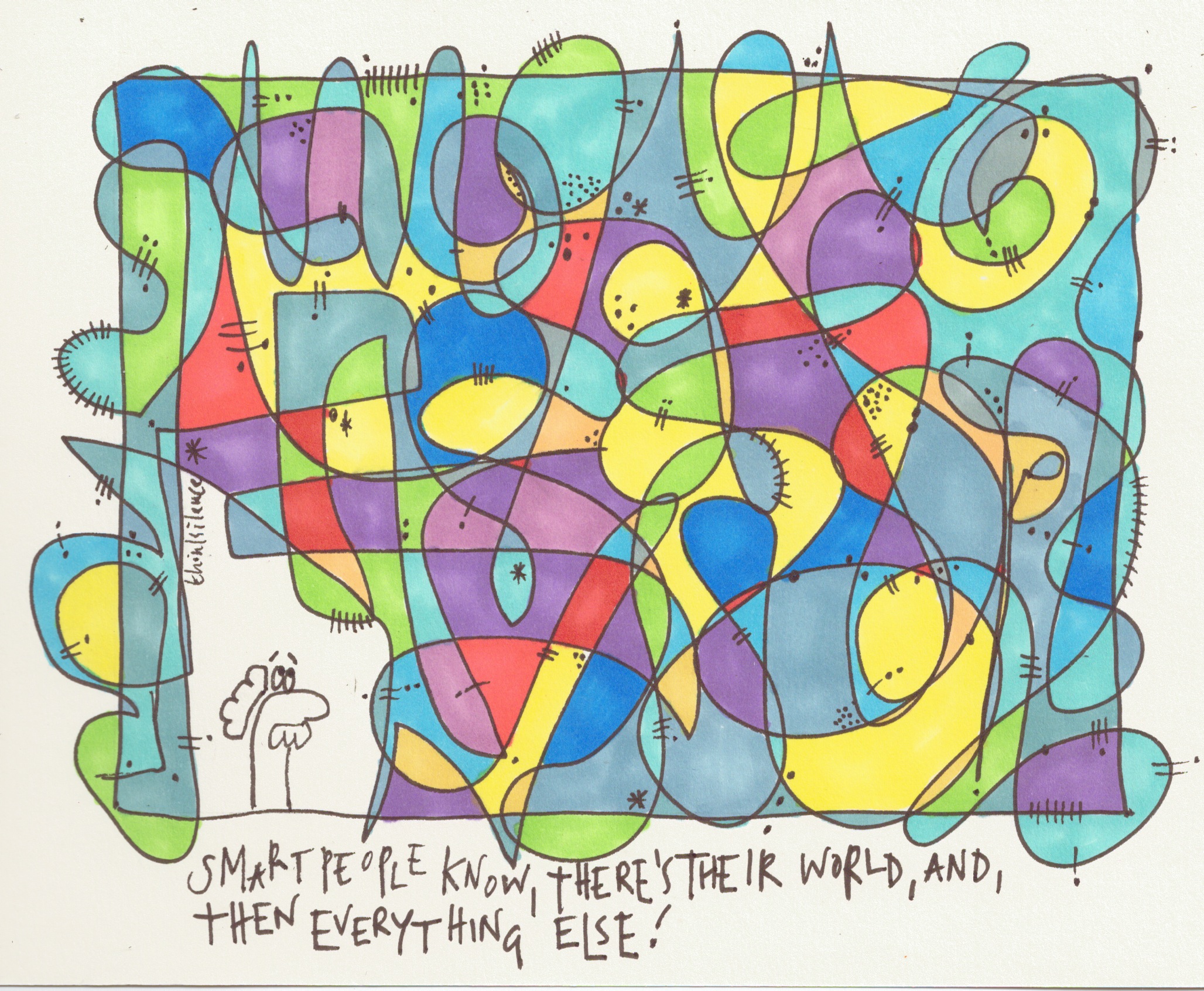
10 smart people know ...

Helping us to identify what is already present or within.

Parker Palmer imagined his life as a friend who’d tried to get his attention throughout his life, finally pinning him down and asking, What do you want?

Sometimes, we need interrupting like this.

We may think this help from beyond brings to us something we are lacking, yet oftentimes the only thing lacking is the question (which can be many, many questions, digging deep, mining down into who we are and what we have, and what we long for.)

This, then, is an infinite game, an invitation from beyond to bring our talents, dreams, art to the game.

Jerry Sternin was a changemaker for starving Vietnamese families, but he says, “You can’t bring permanent solutions in from outside.”  He was a changemaker by spotting the Vietnamese mums whose families weren’t starving and promoting them as leaders to others.  Seth Godin tells this story and makes the point: ‘find leaders (the heretics who are doing things differently and making change) and then amplify their work, give them a platform, and help them find followers.’

We all need help from beyond, but it’s often not in the form we imagine  And, today, there’s more of this kind of help from beyond available to us, more connection and networking making it possible for you to do what you long to do but maybe didn’t know how you were ready or more than capable of.

Maybe this is why you’ve hung around so long, waiting to be a changemaker.

Changemakers help us see what we already have, buried beneath poorer stories or narratives we’ve been following or adhering to.  Changemakers help us change the story, then we become changemakers for others.

I asked the three other guys in a group I’m a member of: Do we meet with the expectation that we will be open to be changed by one another through our conversation?

“Yes.”
hardship

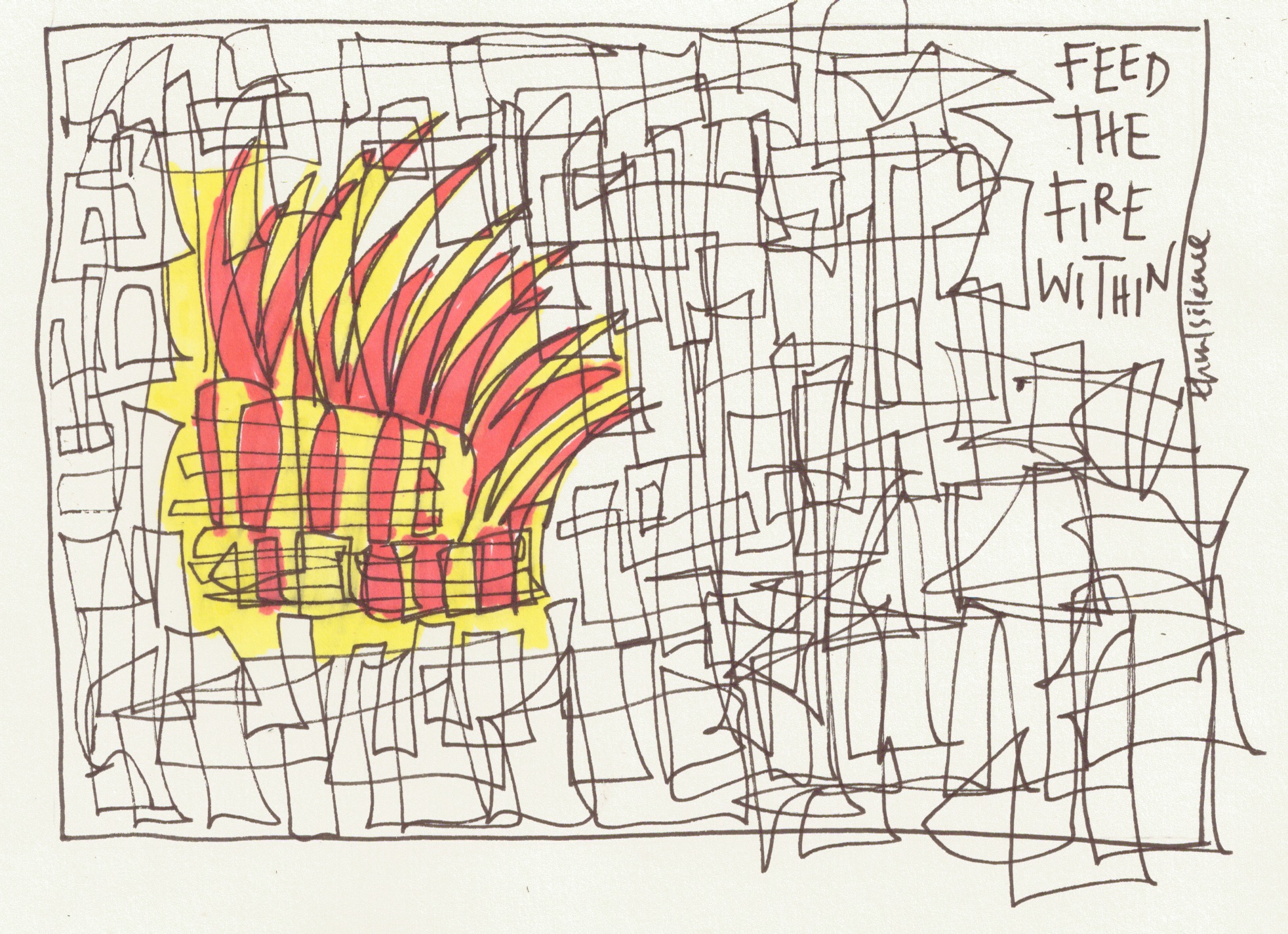
9 feed the fire within

What is the cause you believe so deeply in, you’ll keep going no matter what?

‘Remarkable visions and genuine
insight are always met with resistance.’^

But there is a fire burning in you which you must feed.

Hardship, leadership, entrepreneurship – these words are connected for you.

Hardship, because you expect resistance to what you are bringing.  First, you overcome the resistance within* and then take on the resistance without.**  Yet, you also know, the resistance sharpens your vision, increases your fire, and identifies the path.

Leadership, because you know, when you understand your own fire and fan the flames of others, rather than quenching, you’re leading.

Entrepreneurship, when it means to undertake, and you will be responsible for your dream, which you know will not come quickly but with slow, hard work.  It’s akin to an ongoing steeplechase, the brutally demanding mix of fast running, hurdles, and energy-sapping water-jumps.

What burns within you may not be glamourous, as some imagine, but it is everything.  Keep going.

(^From Seth Godin’s Tribes.)
(*Otto Scharmer points to three voices we must overcome in order to open our minds, hearts, and wills: judgement, cynicism, and fear.)
(**Lately, I have realised how I have grossly under-communicated to others what I am about – I had thought they would see the value of what I’m doing, but value has to be communicated.)


we are never the same

8 this way or that ...

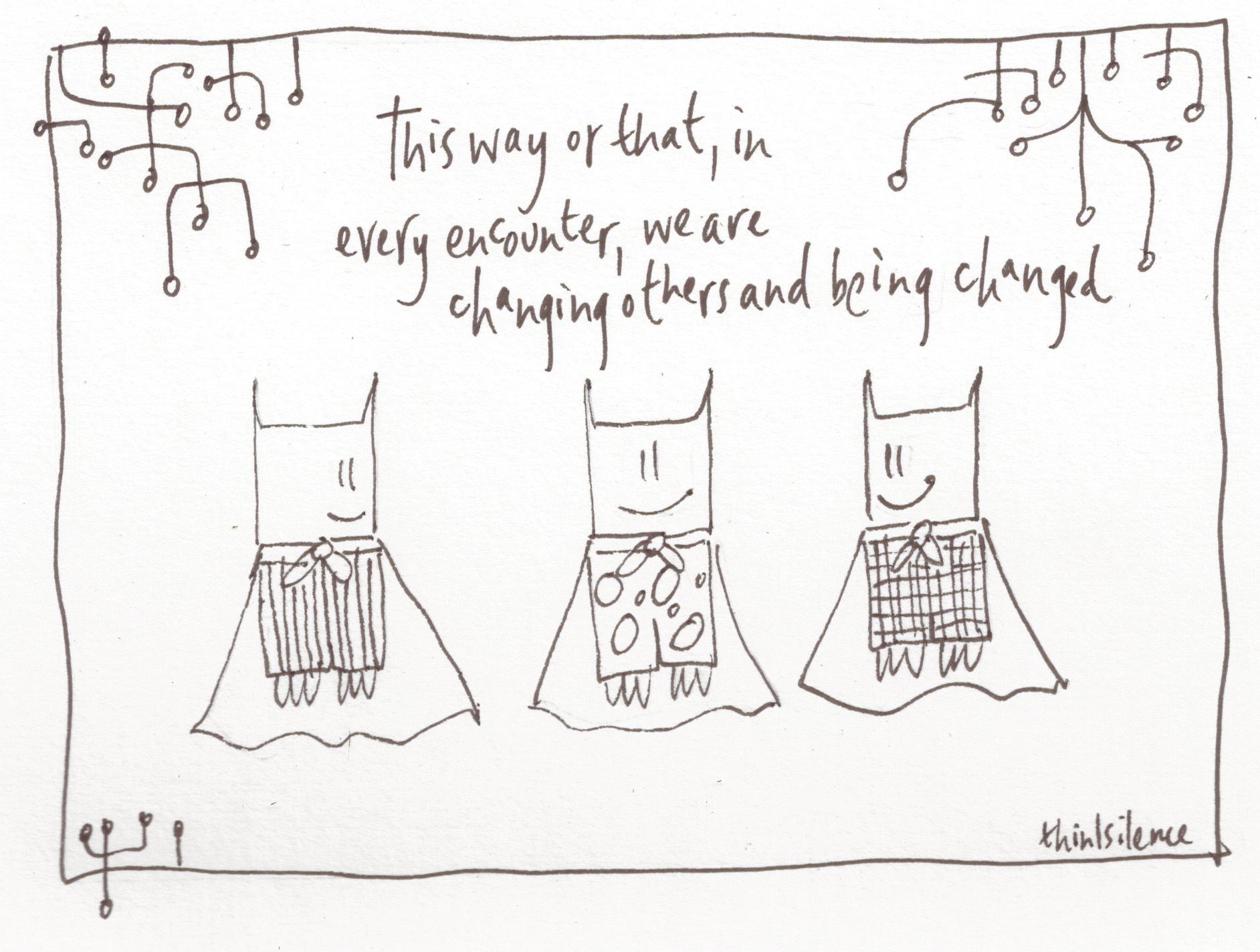
We are changing and we are changemakers.

Recent research has begun to show a short-term effect in our brains following reading an engaging novel: “We want to understand how stories get into your brain, and what they do to it,” shares neuroscientist George Berns.

Our brains have incredible plasticity, an ability to continually adapt well into adulthood – though there are resistances we must overcome as we grow older which aren’t necessarily there when we’re younger – such as, preferring the status quo?

Arguably, the greatest way we can be forever-changing is in interactions with people.  Adaptability to one another is a key ability for developing as a species and continues to be the case, as we creatively and innovatively find ways around sticking points.  This is a yellow world.*

Not only do we each change others, but we are changed by others.  

This is what it means to be Human: there is always in-bound change as well as out-bound change.

Just as there are three forces (trends, events, and choices) which shape the future (predictably, possibly, and preferably), there are three ways we can meet yellows – from amongst those we know already (unlikely, if we haven’t already met), from accidental meetings (though, we’ll need to be out and about far more than we typically are), or, we go in search of them (books, videos, experiences, following leads).**

Whilst there is a person we may call the essential self, the Human paradox is, this is not the same person we once were, we are always and ever becoming more our future self – in a future more and more connected.

(*Using Albert Espinosa‘s metaphor for “yellows” being people who change us, and, also, connecting this with Walker Percy‘s yellow house story, wherein people who wouldn’t normally meet accidentally do, creating “crossing points” of lives and worlds.)
(**Yesterday, I met with a few others for a library of the future experience.  These libraries bring together books and people and experiences and videos and more, and they solve problems, allow for creativity in making things – such libraries are yellow, too.)


bless

7 in a universe of so many possibilities, bless

What would it take for you to be liberated to bless, to be a blessing?

You may already be there?  How do you do it?

There are three forces to recognise when it comes to shaping the future: trends, events, and choice and creativity.

Trends make it possible for us to predict what the future may be; for Nassim Taleb, this is the world of Mediocristan, where things can be disruptive but tend not to be chaotic.

Events can be, though, and they are certainly disruptive; for Taleb, this is can be the world of Extremistan (2008 financial crash, 2011 Fukushima nuclear disaster).  Events can also be Mediocristan-type, as with medical breakthroughs, though genetics and technology promise to be more impacting.**

Personal choice and creativity opens up possibilities for innovative randomness to be introduced into situations and circumstances which present themselves as chaotic – Taleb sees this as being the kind of hope we seek: ‘when some systems are stuck in a dangerous impasse, randomness and only randomness can unlock them and set them free.  You can see here that absence of randomness equals guaranteed death.’

When we become people who introduce this kind of randomness, we find ourselves leading.

Are we, then, liberated to bless?

Otto Scharmer points out how leaders are often blind to what the sources for leading in in their lives.  Leadership does not have to come from a place of perfection and completeness, but does need to come from a place of integrity and wholeness, fed by humility and gratitude.**

We need to listen to who our lives say we each are – something we cannot be without connection to others, to our world, and to our deep values.  These others are like Albert Espinosa‘s “yellows,” our “company of knowing,” the people call us to more, to be blessed and to bless with the creativity only each of us can bring.

(*Whatever people might now say about seeing the 2008 property and financial implosion coming, in reality, no-one did.  The Fukushima nuclear plant was built to withstand the largest tsunami know, but not the one bigger than this.  See here for a helpful summary of Mediocristan and Extremistan)
(**Alex McManus imagines fire-makers who are people of trust, character, humility, and virtue.)

don’t give up, keep going

6 where the future is found

Simple encouragement to realise the dream, pursue the hunch, deal with the itch in your mind which will not go away.

There’s a lot of resistance around and it’s hard to keep going at times.  There may be no-one else who gets what you’re trying to change, to begin, to make, to explore, to be, but I just want you to know, I get it.

Someone has encouraged me today.  I don’t often cry but I did today because my friend had seen me, seen what I hope for, and encouraged me to keep going.

I pass this on to you.  Make sure you pass it on to someone else.

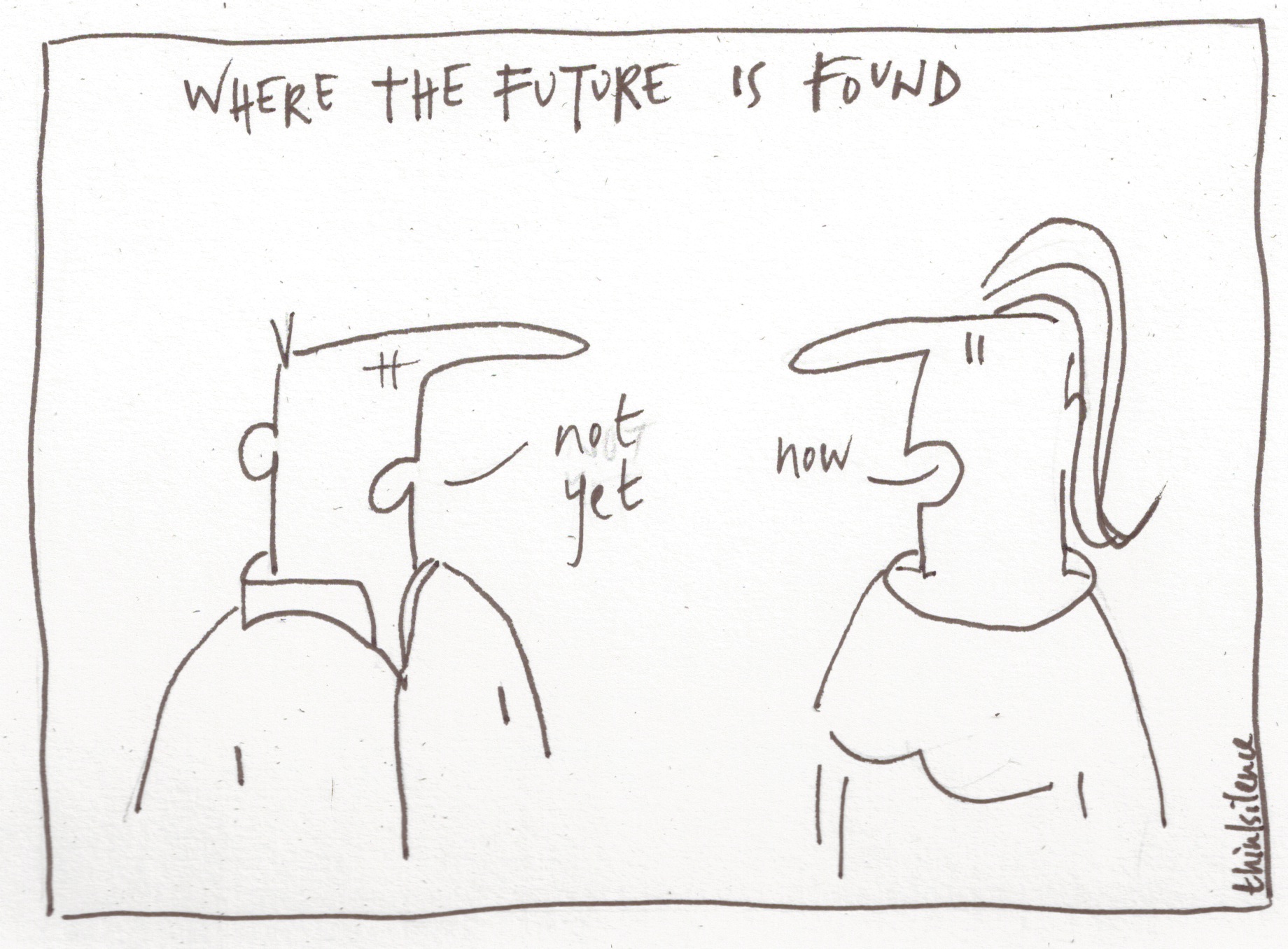
The resistance may not be “no” but “not yet.”  If you wait it will be too late.  I almost did.

‘I have known hundreds of women and men
who dedicate themselves … to concretely igniting
dreams within others.  They are often alone at
first.  They act as they do because the see themselves
engaged in an epic battle. … We are led astray by
the assumption that our moment is like every other
moment. … But Makers of Fire recognise that today
will indeed be just like yesterday, if we do
nothing differently.’*

(Alex McManus in Makers of Fire.)

the problem with maps and technology

5 fail and fail and fail again 1

Maps can tell us where we are or where we can go.

Technology can be another way of doing what we’ve always done, or enable us to change and do something different.

There’s no problem with maps and technology, just how we use them.

We are a paradoxical species, with our addiction to certainty and staticity at the same time as needing to connect, to become, to journey.

Something each day provides is the opportunity to explore.

Enjoy today.

‘But we so want to become human.  That
longing may be the most human thing
about us.  We are a paradox.  We are an
anomaly of nature: evolutionary instinct
coupled with revolutionary imagination
covered in technological capacity to see
the universe with life.  And all along we
long for any and every clue to the meaning
of us.’*

(From Alex McManus’s Makers of Fire.)
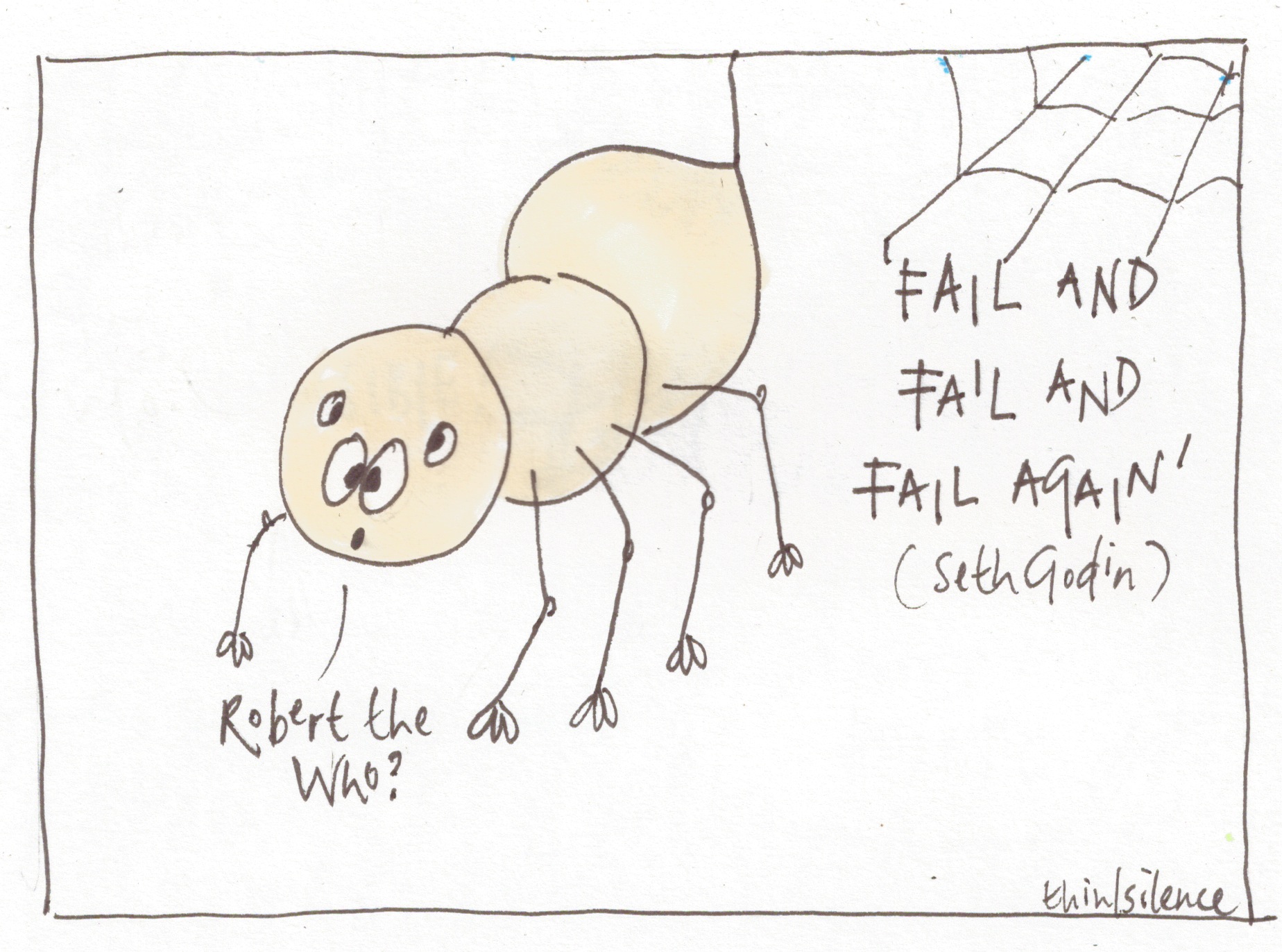
(Cartoon: Seth Godin’s quote comes from one of his books – I can’t remember which at the moment, but I always thought it was a great title for a book.  Robert the Who?)

becomings

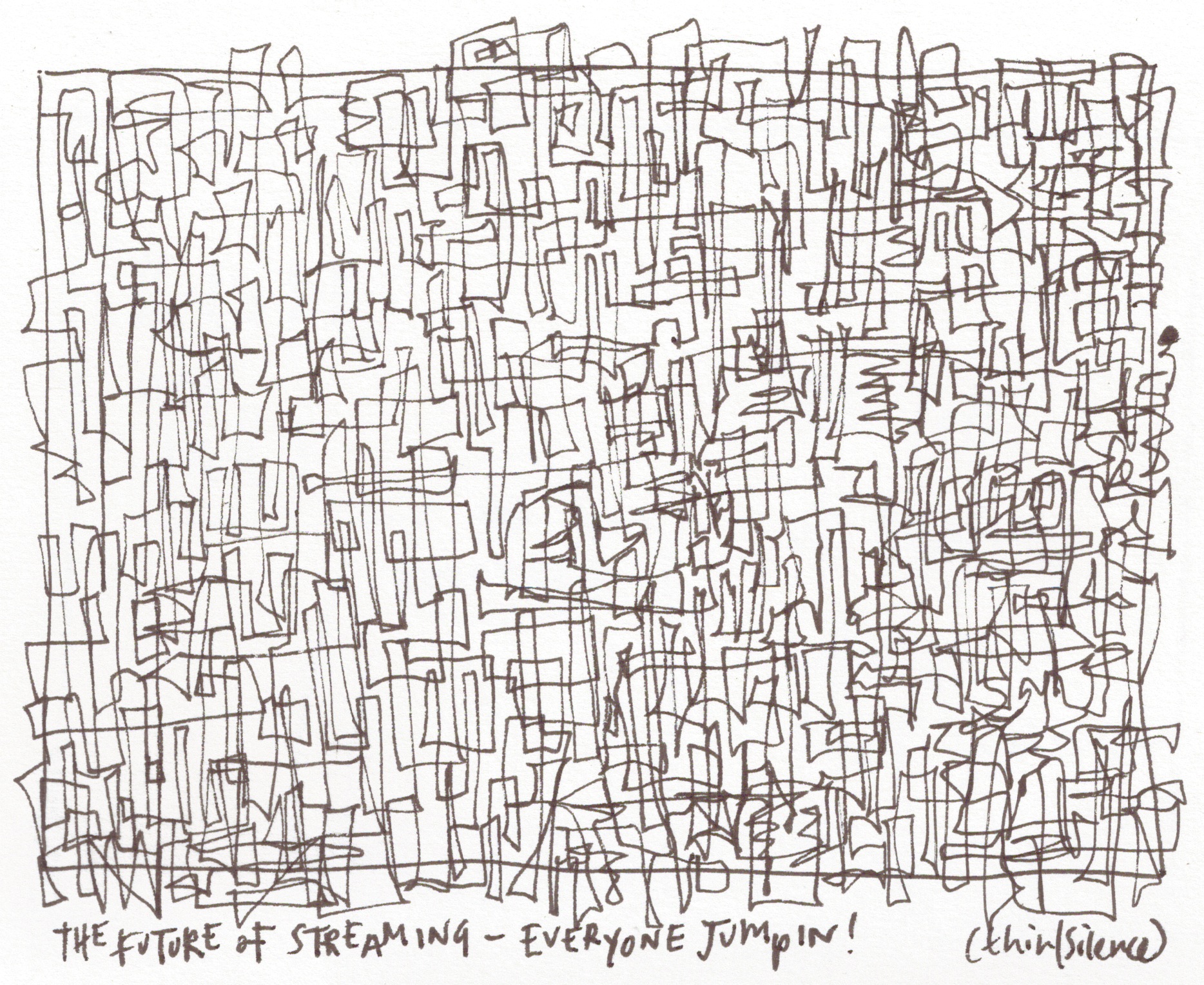
4 the future of streaming

Streaming.

A very efficient way of fitting people into systems.

A very poor way of helping people to flourish as Humans and to contribute their best.

Many live through the entirety of their lives with an understanding of who they are and what they are able to achieve as the result of believing someone in a system: educational, religious, workplace, sporting, musical, artistic, political, etc. – every one streaming people.

What might a world look like where everyone is encouraged to explore their full capacity throughout their lives?  What would we have to lose, introduce, finance?

When you believe everyone has an incredible capacity to thrive you’ll begin to see just how all around you.

You will also see how systems can often be set up to thwart and frustrate the possibilities.

This is not what we are: Human Beings.  We are more, we are Human Becomings.*

(*Human Becomings is a term Alex McManus uses in Makers of Fire.)


wrong

3 you're wrong 1

There are different ways to be wrong, but here are two important ones when it comes to change.

When we are wrong in the eyes of others – even when we are trying to be right.  It’s uncomfortable,and we’d rather make change with the approval of all.

When we question what has become set, still, standard, and static, we will have to be seen – by some, not all – to be the heretic we really are.

We always have to be ready to be wrong in this way when it comes to what we believe is right.  This is the kind of wrong which exists within integrity and wholeness.

The second way to be wrong is when we’re simply wrong.  This kind of wrong is also very important because it probably shows we’re trying things and taking risks.  The genius here is in recognising this, apologising, and beginning again.

We can be both wrong and wrong and yet right; as Alex McManus offers in what is more a poem than sentence: ‘We are a mystery wrapped in a question.’

Or, as Albert Espinosa puts it: ‘My life is made up of moments and odours, and they are what make me what I am.’

We will always be wrong, but the key is knowing what kind of wrong we are being in this moment, and pressing on or apologising.

Wrong is right because it offers us both movement and openness.

We are more Human Becomings than we are Human Beings, and we are still becoming.*

(Human Becomings is a concept explored by Alex McManus.)

lost

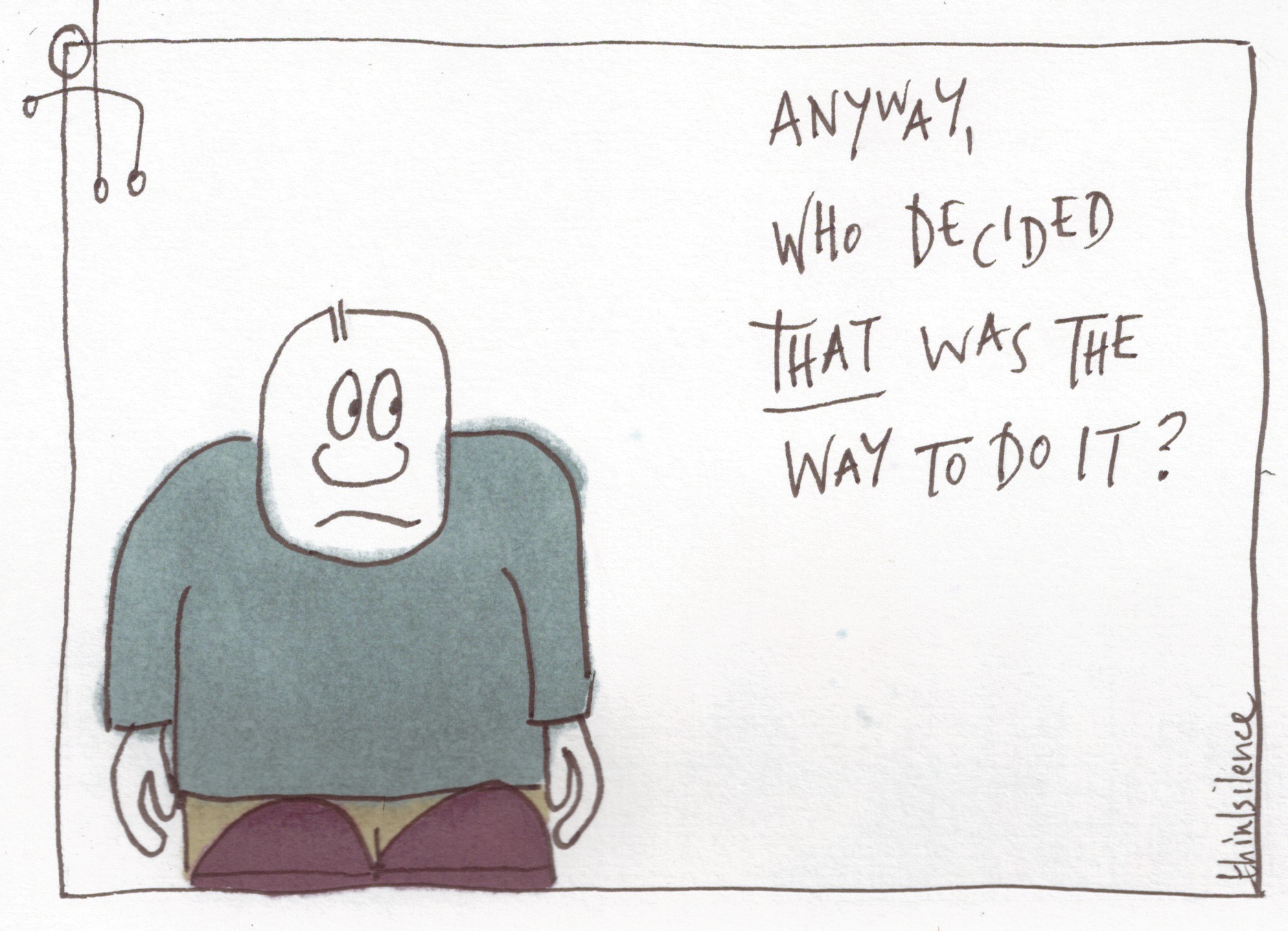
2 anyway, who decided ...

When everything you’ve been working on appears to be lost, what then?

You thought your work was good and opening up possibilities, but it turns out it’s being seen as something else.

This is a finite game scenario.  Only so many can play, the task (goal) is set, and the rules are unchangeable: You’ve created some great stuff but this is what you were supposed to make.

The sentence before the last is the important one: This is a finite game scenario.  

Keep going.

The infinite game continues.  In the infinite game, what you’ve been doing and making is recognised as valuable, and the game will do whatever it can for you to make this contribution for as long as possible – even changing the rules if you’re finding yourself being edged out.

Seth Godin compares thermometers and thermostats.  Thermometers are the people who’ll tell us how we’re doing – or not – in the finite game.  Thermostats make it possible to sync inner and outer worlds.

For me, this focuses on the one person, to try and be someone who lives between the truth or reality of a person’s life and the possibilities.  This captures my attention every morning.  For you it will be something else – different – but powerfully.

Don’t lose it.  Play the infinite game.

(Check out Seth Godin’s blog, which asks, “What is School For?”  There’s a link to a great video in this blog.)

purposeful

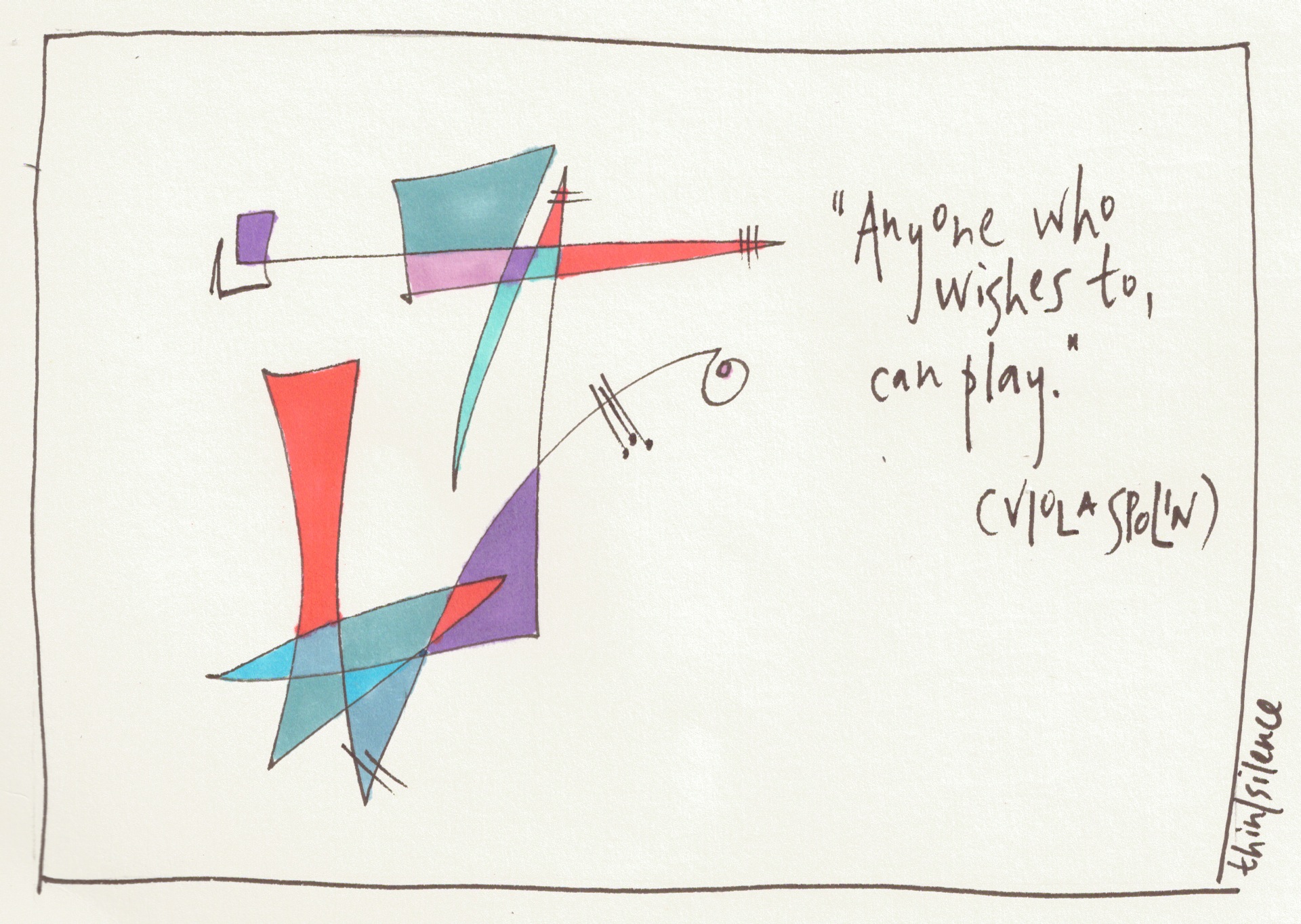
1 anyone who wishes to, can play

I was chatting with someone yesterday who wouldn’t take responsibility for the good and positive things she could do – worrying this would make her proud.  All she would allow herself to be responsible for was when she did the bad stuff.  While this may not sound like a terrible place to be, here’s what I walked away thinking.

It’s only in the crucible of deep practice and passion and failure and innovation, we’re each able to develop our unique contribution.  When we take responsibility for what we’re good at, we can develop it into something utterly amazing through hundreds and hundreds of hours of practice and innovative ideas.*  I suspect it’s difficult to experience this intensity when we hold back on taking responsibility.

This isn’t some ego-trip – quite the opposite.  We’re vitally connected with others – learning, being helped and led – but all the time we’re moving our art on, into the needs around us, inspiring others.

Albert Espinosa named the hospital roommates who helped him through cancer treatment “yellows” – those who allowed him to be himself and supported him through the bad things.  In all, he had twenty roommates, nineteen were yellow. the other was boring.

I happened to read Edward de Bono alongside this and noticed his comment on how it’s important to be interesting in our interactions with people, how this is something we must take responsibility for and work hard at:

‘Creativity is a skill and a habit.  You
need to learn to practise the skill,
which then becomes a habit.’

I realised I’d been listening to the person yesterday for more than fifteen minutes and I still don’t know what her art is – she kept bringing the conversation back to how it’s wrong to take the credit for something good.

What a shame.  I’d have love to have known.

(*Malcolm Gladwell demystifies the amazing achievements from all kinds of people when he spotlights the thousands of hours of practice they’ve put in: Outliers.)
(Cartoon: director, teach, author Viola Spolin’s words are quoted in McNair Wilson’s Hatch.)