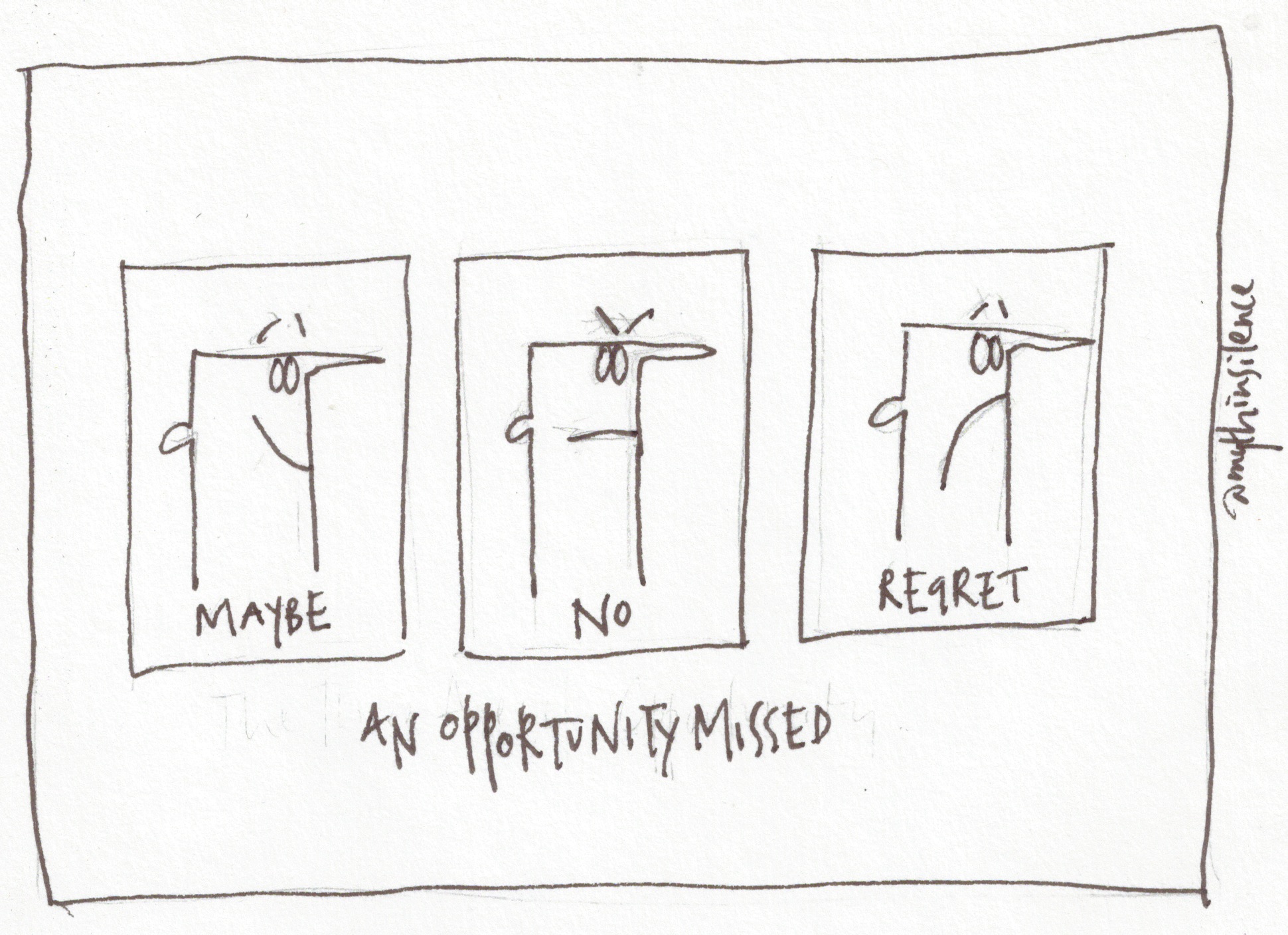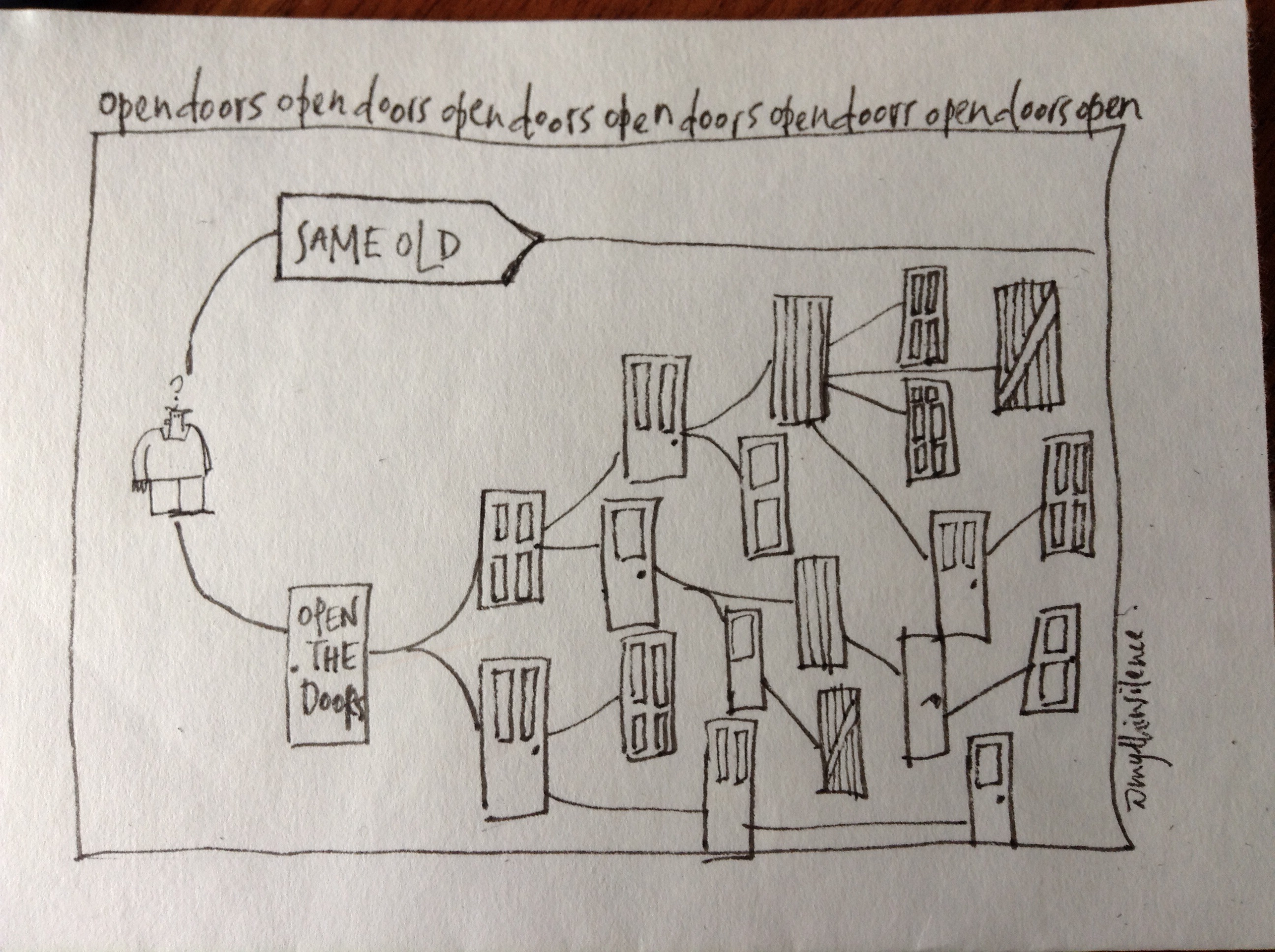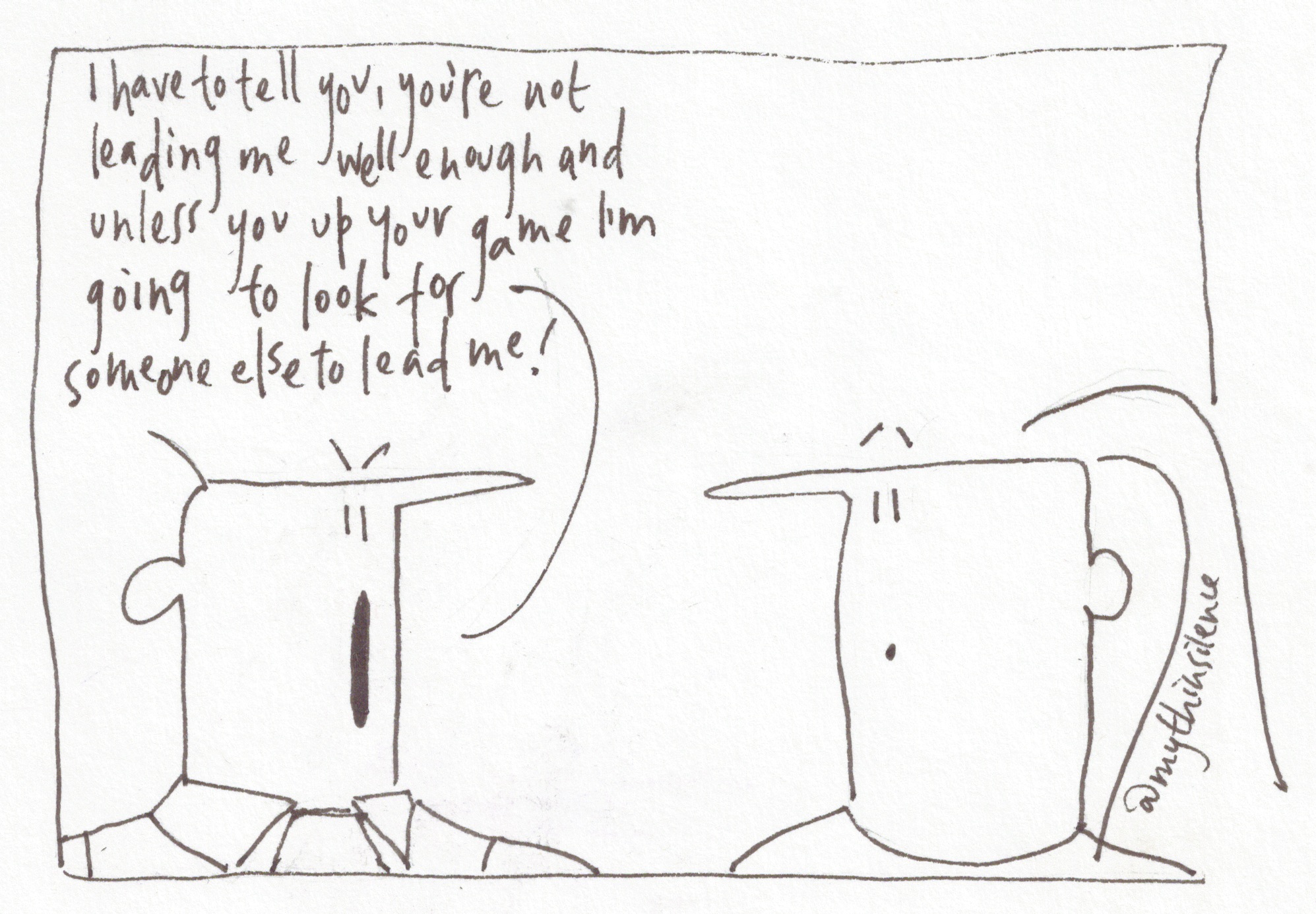
more communities of knowing

2what we can

One of the homes we find is the one of being truly who we are:

‘The starting place for change is accepting oneself and taking interest in one’s inner world.’*

This is not about individualism; it is about embracing our individuality, an individuality we can take into, and contribute to, community.

‘Individualism is the enemy of individuality.’**

A second home we find, then, is one which calls us to stretch and develop who we are and what we do, including who we are and what we do together.

This is our community of knowing, a group of people who perceive and value life similarly, sharing a focus and intent to birth a better future.  Whilst members are at ease with one another because they don’t have to find or win an argument over some or other perspective, they voluntarily live within a mutually generated discomfort: each challenging the others to learn more, to love more, to do more.  If one of their number is considered to be the group’s leader – to whom the others defer, then they know the community is ailing.  This person will elect to leave or everyone will launch into a new chapter of individual development.

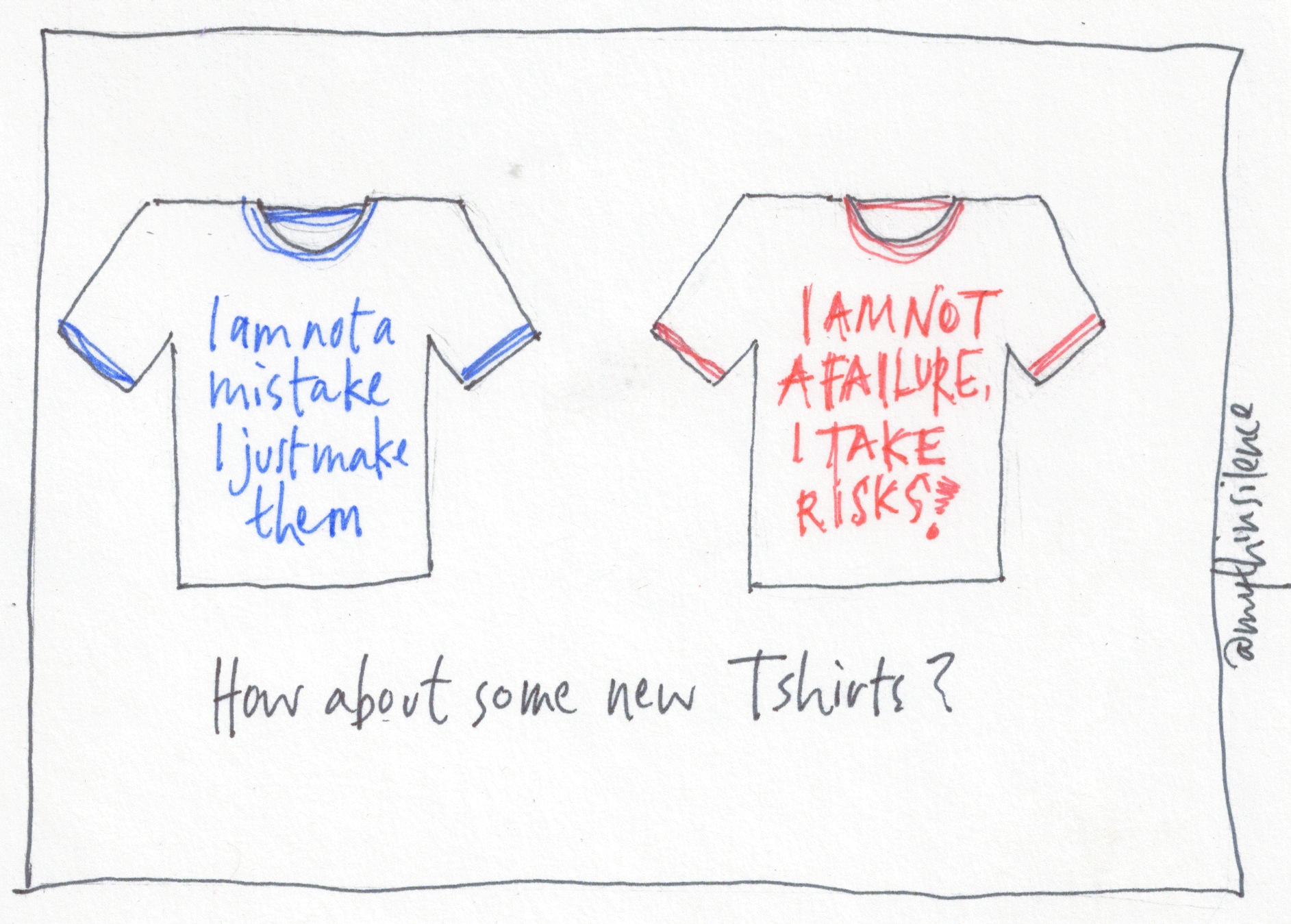
These communities embody what Warren Berger has called connective inquiry.  Not rushing to fast answers, they test ideas which emerge from the deeper questioning of Why?, What if?, How?  They aim to fail early in order to fail fast so they might try again because they know their early attempts are really questions, not answers.

This gamefulness allows them to re-engage their imaginations towards courageous and generous action.  You will often hear individuals say how thought they knew who they were until they engaged in a community of knowing, but they go on to admit, they didn’t really know themselves at all.

These communities are growing up in many places, with many shapes, and fecundity of focus.

David Marquet writes about everyone has an ‘everyday superhero within,’ but, ‘Unfortunately, fear, intimidation, posturing, and deception suppress the desire for people to embrace their potential.’^

Finding a community of knowing  begins to level the field.

(*From Edward Deci’s Why We Do What We Do.)
(**From John O’Donohue’s Eternal Echoes.)
(^From 99U’s Make Your Mark.)

the future is better than the past

24 forget his past

Here’s a case for being future-orientated in our lives.

The future saves us from fundamentalism – ‘Fundamentalism laments the absence of the time when everything was as it should be’* – with its unwillingness to explore and its insistence on a limited way of perceiving truth.

Whilst we may quickly bring to mind examples of religious or political or ethnic fundamentalism, the reality is we are all fundamentalist about something somewhere in our lives or society or culture.  Future-orientatation frees us from this and from ever saying again, “We’ve never done it this way before.”

Being future-orientated will also produce new communities, emerging out of shared rhythms of life around a common sense of purpose – in ways communities from the past cannot, which more often than not require we fit in and conform.

Focising on the future offers us the opportunity to ask better questions, to tell better stories, and to understand how failure is the fastest way to move forward when we learn and try again: ‘Failure shows us the way – by showing us what isn’t the way.’**

These three things are inextricably linked.  Questions open up more possible futures; our attempts to move towards these may fail, and fail again, but we’ll also learn fast and try again faster; and, the better stories we tell ourselves help us keep true to our goal and the obstacles we must overcome to reach it.

We know what we have been but what might we become?

(*From John O’Donohue’s Eternal Echoes; his point is there has never been such a time.)
(**From Ryan Holiday’s The Obstacle is the Way.)

closer to home

23 are we nearly there?

‘We must not cease from our exploration and at the end of all our exploring will be to arrive where we first began and to know the place for the first time.’*

I first came across these words seventeen years ago.  They led me through a focused time, at the end of which I thought I’d explored and returned to the place of my beginning and did finally know it.

I was wrong.  I’m still exploring.  Whilst I’d come to a significant place, I’ve found myself continuing my journey.

Yesterday, I visited someone who’d voted for me to begin my vocational journey back in 1979.  I hadn’t realised this and couldn’t even remember where the meeting was, but he could.  As we spoke – he in his 90s and me in my 50s – I realised I’m setting out again in order to find my way home.

‘To come home to where you belong is to come into your own, to become what you are, to awaken and develop your latent spiritual heritage.’**

Over all these years, there were many things I thought were what I really ought to have been about – but they were not.  Recently, though, I’ve felt myself getting closer to home.  Everything on the way has been important.  Choreographer Twyla Tharp shares how she begins each of her projects with a filing box: she writes the project title on the outside and then she begins to fill the box with music and visuals and ideas.  I’ve been doing something similar, sometimes consciously, sometimes unconsciously.  Ideas and experiences, character and personality developments – all in the box.

I often find myself peering inside the box to see what I’ve gathered.  I’m especially intrigued by the new things I’ve been forced to try because everything else hasn’t worked.  I am hear because of my failures and blank ends, because of my stubbornness – even obtuseness – not prepared to give up.

Important to keeping going is telling ourselves stories about why the path we venture along is so important.  For me, this is about people being provided with every opportunity to flourish, with the hope of everything they touch also flourishing.

‘Only in struggling with the impediments that made others quit can we find ourselves on untrodden territory – only by persisting and resisting can we learn war others were too impatient to be taught.’^

(*From T.S. Eliot’s Little Gidding.)
(**From John O’Donohue’s Eternal Echoes.)
(^From Ryan Holiday’s The Obstacle is the Way.)

what we do not know we do not know

22 what we do no know

There are things we all know about life and the universe.

There are things some know but others don’t.

There are things we know we don’t know.

And then there are things all of us do not know we do not know.

What if there’s lot of what we do not know we do not know?

How do we even begin looking?

My best guess is we must keep moving forward, staying alert, and being ready for whatever may emerge: downsides as well as upsides.

‘The history of exploration is marked by tragedy.  Still, we explore.  Our deep compulsion to explain who and what we are will drive us.  We will explore the most distant points in space, probe the deepest oceans, map the mind, tinker with the human genome, and scan every other arena of curiosity.  We will turn over every microcellular rock in search of the meaning of the universe.  We will search the heavens for another Earth, for signs of life among the stars.  And, all along, what we are really seeking is the meaning of us.’*

We each find ourselves in these sentences penned by Alex McManus.  All of us are creating our maps of meaning.  Each perspective is important and may bring us to a greater place of knowing.  None of us can we say we have it all.

The leaders of our quest will be honest and accurate about where we are, they’ll discern ways and means of understanding in order to move forward, and they’ll be the most open to new discoveries – more of an artist than a traditional leader:

Artists and musicians and poets and scientists and engineers keep coming up with new perspectives, new ways of thinking, new ideas, new ways of understanding, and, always, new questions.

We all were artists once upon a time.  We simply forgot how to make our art.  We can learn again.

‘The artist trains himself; it can be no other way.Each artist is animated by a unique longing.  There are no outer ready-made maps for what the artist wants to create.’**

(*From Alex McManus’s Makers of Fire.)
(**From John O’Donohue’s Eternal Echoes.)

what will i live to see?

21 don't leave your

As Humans dream of leaving the shores of our world to find new worlds, across oceans of space, I wonder what I’ll see with my remaining years.

Things like this happen in the world about me.  I have no say or control over them and I watch and wonder.

But there are the things I can begin and watch grow, which depend on what I am willing to believe.

Whilst I will not venture to Mars and beyond, I do not have to wait for the future to come to me.  As a maker and hacker – we all are makers and hackers – I can shape a future.

This is not delusional on my part.  Each of us has more to be creative with and to give than we know.  If we believe this we will see it.

Edward Deci points out how people act if they believe their environment to be supportive of their autonomy:

‘They can elect from the social context more and more support for their autonomy.  Their personality and social context are synergistic, and together they affect people’s experiences and actions.’*

What we believe alters what we see.  Only when we begin to give and make can we  know all of what we have to use.

What will I live to see?

If I bring my dreams and skills and experience of the world and people together, and make something with all of this, there’ll be many things I will live to see.

This is the truth for each one of us.

(*From Edward Deci’s Why We Do What We Do.’

more questions and gratitude and stories

20 what are you doing

We need better questions.

With so much information in the world we don’t need more answers – we need the questions which will allow us to access all the information.

Perhaps what will emerge from our questions will be not so much answers as stories.

“If you don’t have that disposition to question, you’re going to few change.  But if you’re comfortable questioning, experimenting, connecting things – then change is something that becomes an adventure.  And if you can see it as an adventure, then you’re off and running.”*

By introducing the word adventure, John Seely Brown creates a story in my mind, which I enter through my questions.  Questions asked from the deepest parts of my life are the most intuitive: each of us can be an intuitive questioner.

Something else is taking place as I ask my questions.

The more I ask, the more awe and wonder I discover, the more grateful I become.

‘When gratitude does its greatest work within us we are able to celebrate who we are becoming even when we have passed through experiences we would wish on no one.’** 

Erwin McManus is writing a story.

Our entire lives are immersed in story; we wouldn’t be able to exist without story.  (Think about the meeting you’ve been in today and how you told yourself it’s important – a story.  Or someone behaves to you in an unexpected way, so you tell yourself a story of why this should be.)

‘Story changes your perspective about life.  You see the future, experience the present, and remember the past in a dramatically different way.’**

I swapped the word gratitude for story in the last quote.  When we create stories, we turn disasters into learnings, and failures into skill-building and more hopeful futures.  Whatever has happened to us, or whatever we’ve done, everything opens to more when we ask better questions.

If you could ask any question of the you of five years in the future, what would it be?

(*John Seely Brown, quoted in Warren Berger’s A More Beautiful Question.  I asked the question of Google to find who John Seely Brown is – my question only had to be “john seely brown” and I had my answer in 0.36 seconds.)
(**From Erwin McManus’s in Uprising.)

transparency

19 when we stop

Do not hide anything from yourself.

There are things we’ve done, or had done to us, which we regret or bring us pain, but, these things may actually be treasure to us, defining us and declaring our way.

I don’t think I’d be doing the things I’m exploring and developing today if I hadn’t sought to understand and embrace the rejections I had.

If we do the hard thing we come to have an advantage:

‘But our worldview, by its nature, keeps us from seeing the world as it is.  A lifetime spent noticing begins to turn into the ability to see what others can’t.’*

Here’s what can begin to happen when you don’t hide anything from yourself: you trust yourself more – your skills and decisions; you become more innovative and creative as a result; it changes the way you see and treat others; it means you’re more open to what others have to share with you; and it will mean others will want to relate and work with you.

‘Loss always has much to teach us; its voice whispers that the shelter just lost was too small for our new souls.  But it is hard to belong generously to the rhythm of loss.  The beauty of loss is the room it makes for something new.’

(*From Seth Godin’s The Icarus Deception.)
(**From John O’Donohue’s Eternal Echoes.)

make it so

18 to baldly go

Jean-Luc Picard captain of the starship Enterprise need only utter these words and something happens.

For the rest of us, without a starship and crew at our command, we have to find other ways of moving or making a change.  Even when we find ourselves aided by others, we must hone the abilities and habits to initiate when we are alone, when we tell ourselves “make it so.”

Edward Deci offers words which appear helpful for the creation of “make it so” people: ‘Exploration of one’s motivation can be a difficult process, and carrying out a true choice can also be difficult.  But these are the starting points for successful change.’*

To know what we must do and then to do it hardly may not seem helpful but they’re a gift.  To know what we want above everything else – from the source of our being, and to begin to do this in some way, shape or form will make it so.  Our attempts do not have to be perfect, we simply have to begin, every day, and then we’ll be surprised what happens.**

(*From Edward Deci’s Why We Do What We Do.)
(**Here’s a simple thing you can do to identify your motivation: write out a list of 100 things you love to do.  You’ll begin flagging long before you get to 100, but then you’ll catch your second breath.  When you’ve completed this, look for patterns of things: people, activities, outcomes, feelings.  You’ve begun.  Now you just need to begin the exercise, as it were, make it so.  Thanks to Alex McManus for the simple exercise.)

there is no perfect

17 you'll never be ready

We make the mistake of wanting ourselves or our circumstances to be as perfect and complete as possible before we begin.

They never will be.

What’s more important is to embrace our heart and go.

We have to follow the dreams which have come to us as we’ve opened our hearts.  When we speak of changing our minds, it’s tantamount to saying, “On this occasion, as you’ve put these things to me, I’m prepared to have a change of mind.”  When we speak of changing our hearts, though, we speak of the very way we’re led through life being altered towards something permanent.

Our minds tell us all kinds of things.  T3’s founder Gay Gaddis counsels: “You need to learn how to shut out the noise so you can get clear on how you feel and what you think and then you can do the hard work.”*

What we’re talking about is integrity, connecting who we are inside with who we’re with and where we are on the outside: ‘When you come to know yourself, you come to yourself and your life flows more naturally.  And you become more integrated,your integrity deepens.  You inhabit the heart of your life; you become the real subject of your life rather than being its target or victim.’*

There’s no such thing as perfect and complete, but there is the possibility of trusting and following your heart.

More important than waiting for perfect is to find your community of knowing, the people who’ll support you when you jump, the ones who get it because they know they must jump too.

‘Creating the future does not begin with a plan.  It begins with a dream.  And when someone acts on a dream, it creates a spark.’^

(*Quoted by Brené Brown in Daring Greatly.)
(**From John O’Donohue’s Eternal Echoes.)
(^From Alex McManus’s Makers of Fire.)

the stories we tell ourselves (and then tell each other)

16 each of us

“God made Man because He loves stories.”*

So begins Jonathan Gottschall’s book The Storytelling Animal in which he explores Homo fictus (fiction man).  Stories are all-pervading to Human life, we could not function, even live, without them.

‘Even when the body goes to sleep, the mind stays up all night, telling itself stories.’*

I loves this.  Humans are enigmatic creatures: we are not our minds.  Like a horse, sometimes ridden and steered, but often running and roaming without us – whoever “us” is.

Our stories make sense of this randomness.

My joy is to awaken people to the stories they’re lives are showing they should live.  I admit, this is the story I tell myself but, strangely and oddly, it works.  We tell histories to understand our past, and we science-fictionally imagine the future in order choose a path and to understand our present – stories.

Those who lead us into the future, at their best, are people who tell a story within which others are able to identify and live their stories in a way which allows each and every one to flourish, to thrive.

‘Leaders must look for meaning within the chaos.  They must create compelling narratives, which give context and meaning to human existence, in which others can see themselves fitting and belonging and becoming the people they desire.’**

We tell stories of preferred futures by defining reality, discerning meaning, and discovering new ways forward.  Stories change how things can be, interrupting lines of expectation, possibility, and probability for something better.

Is the story you find yourself in the one you’ve chosen for your passions and talents and experiences and relationships and hopes and values?

Or will you tell yourself a different story?

(*Elie Wiesel, quoted in Jonathan Gottschall’s The Storytelling Animal.)
(**Alex McManus in Makers of Fire.)