Where haven’t you looked yet?

getting what we currently want can make us blind to higher callings*
(Jordan Peterson)

Is it good? Really good? Do you like it? You can also focus on what work does that can’t be measured. What it does to your soul.**
(Austin Kleon)

Whatever you’re focused on means you’re not seeing something else.

If you’ve been focusing on it for a while, it means other things have been neglected for some time.

There’ll come a point when the things you’ve been neglecting are exactly the tools you need right now for the challenge or opportunity (sometimes the same thing) standing before you.

You can despair, believing you’ve missed what you realise you’ve been looking for, just in the wrong places, or you can take a deep breath, embrace the fact that this is going to take a little longer, and take a slow, long look in the places you haven’t looked before.

(*From Jordan Peterson’s 12 Rule for Life.)
(**From Austin Kleon’s Keep Going.)
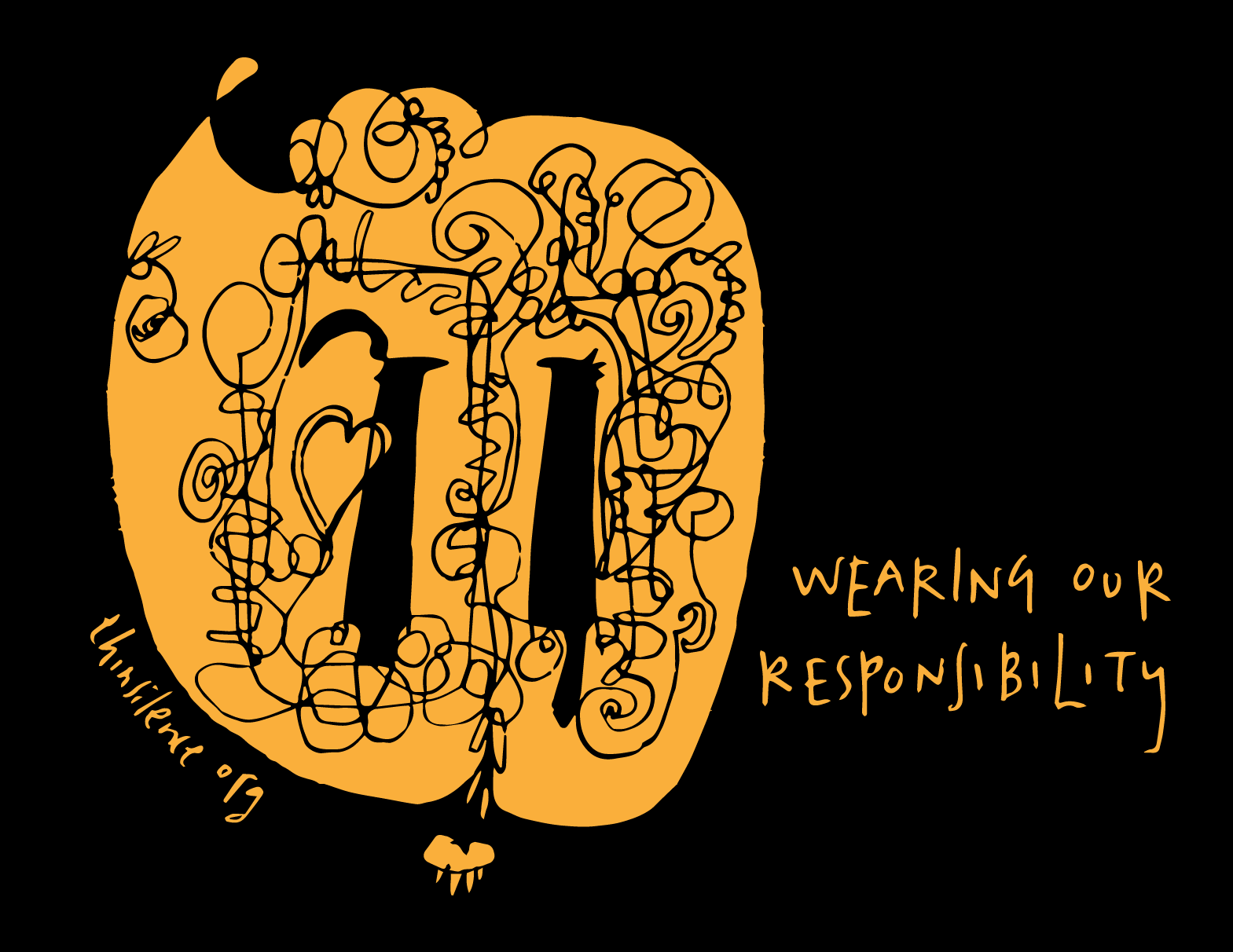
My responsibility

I’m sorry.

When I blamed you, I surrendered my responsibility.
When I reacted the way I did
I closed the matter and walked away:
It was your fault and there was nothing for me to learn.

I am here to take it back.
I ought to have at least paused,
Considered the options, selected my response:
Was it my fault or yours?

My responsibility, though, is larger now.
It’s growing up, calling on the fullness of
Who I am and all I have,
Imagining a future neither you nor I had first seen.

I’m sorry I held this back from you.

Everyday truths

How you do what you do is your competitive advantage.*
(Bernadette Jiwa)

If we lived in Truth; if we spoke the Truth – then we would walk with God once again, and respect ourselves, and others, and the world.**
(Jordan Peterson)

Some, not knowing the truth and not wanting to look bad or incompetent, make it up.

Others, know the truth, but hide it because it doesn’t provide them with the advantage they desire.

None of us are free from these temptations. In some way or other we play with order and chaos, yet those who make the seeking of the truth their how in life will spread goodness.

With his understanding of myths, Jordan Peterson writes:

The moral of Genesis 1 is that Being brought into existence through true speech is Good.**

The point is, each of us has the incredible capacity to use true speech and bring Goodness into our world with and for others:

[Good’s] existence is the unmistakable sign that we are spiritual creatures, attracted by excellence and made for good.^

We might say, we’re only becoming what we are made for.

(*From The Story of Telling: The Empathy Advantage.)
(**From Jordan Peterson’s 12 Rules for Life.)
(^From Iris Murdoch’s The Sovereignty of Good.)

Flawed but not floored

You are strong, fearless, self-sufficient, you make time for reading, thinking, quiet contemplation, meditation or prayer. This need not cost a penny.*
(Tom Hodgkinson)

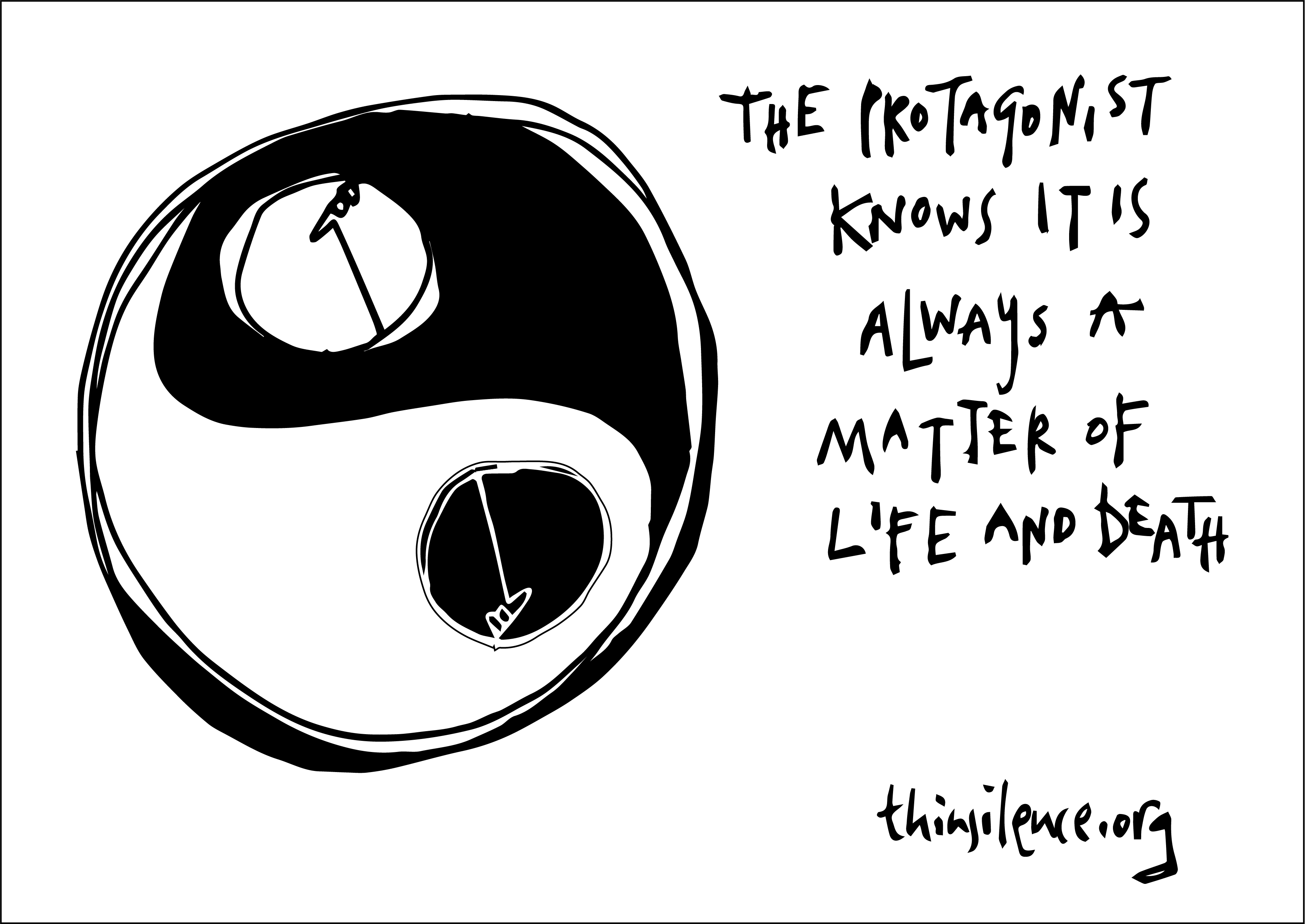
When writing action, it’s imperative to remember this key principle: spectacle isn’t meaning. The key to action is life and death.**
(Robert McKee)

Tom Hodgkinson’s opening words are flawed but they are also true.

We are all flawed but when we accept this then something wonderful and meaningful happens.

Maybe we could get to perfect if life were not so full of life and death struggles.

Jordan Peterson tells of when he and his wife took in a neighbour’s four year old son for the day, mentioning that he wouldn’t eat all day, adding, “That’s okay.”

But it wasn’t okay and a straightforward battle over food followed and the four year old won.

He ate his food, having been told he was a good boy and then broke into a broad smile:

Ten not-too-painful minutes later he finished his meal. We were all watching intently. It was a drama of life and death.^

Or someone says a hurtful thing about a piece of work you did. You shrug it off but every time you repeat that work, the words come back to mind. It’s a matter of life and death.

Protagonist versus the antagonism.

I include Hodgkinson’s words because this place of quiet contemplation is where we can overcome the antagonism we carry around with us, opening a true sense of who we are, allowing us to become stronger and more creative – a blossoming of ideas and dreams that we can move into the day and give some shape to.

The truest form of alchemy because we know we are flawed but whole.

(*From Tom Hodgkinson’s Business for Bohemians.)
(**From Robert McKee’s blog: Why Action Writing is a Matter of Life and Death.)
(^From Jordan Peterson’s 12 Rules for Life.)

Beyond B

Nothing makes play more fun than some new toys. Seek out unfamiliar tools and materials. Find something new to fiddle with.*
(Austin Kleon)

The technium – the modern system of culture and technology – is accelerating the creation of new possibilities by continuing to invent new social organisations.**
(Kevin Kelly)

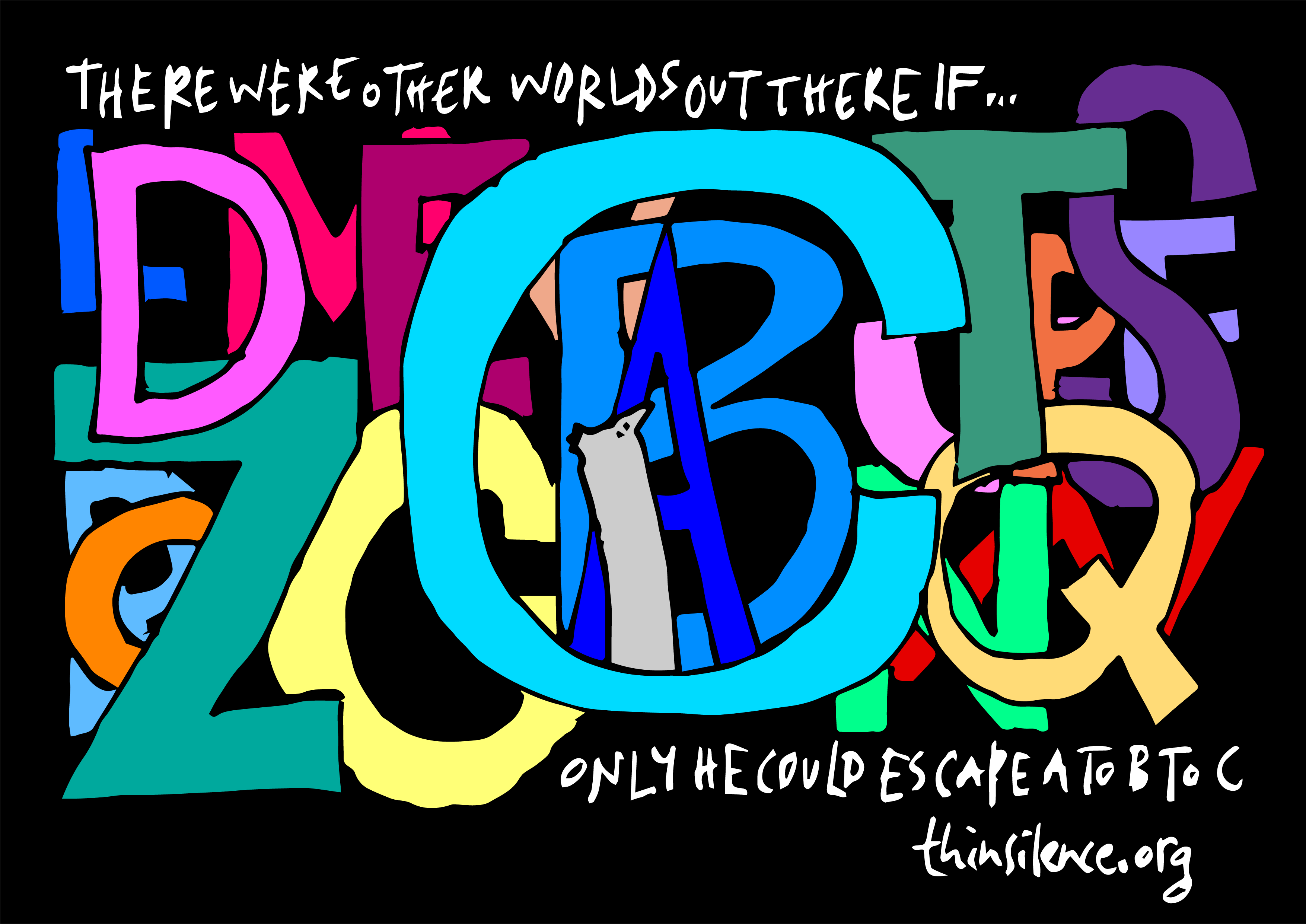
Some people live for point B.

Every day they live out the journey of A to B.

One day there’ll be C but that’s for the future, not now. There’s a lot of saving up to be done for C.

Every so often a smaller version of C is experienced. Bags are packed, the passports are found and there’s a flight to c.

Until then, they must continue getting out of A and travelling to B, putting in a day’s shift.

B is very big.

B

It’s hard to see around it some times.

There are two ways to try and see and experience D an E and F and P and X … :

One is to make yourself look at something different and play with it a while.

The other is to find a group of people you can travel along with.

A third way is to try some dreamwhispering.

(*From Austin Kleon’s Keep Going.)
(**From Kevin Kelly’s The Inevitable.)

Playful moments

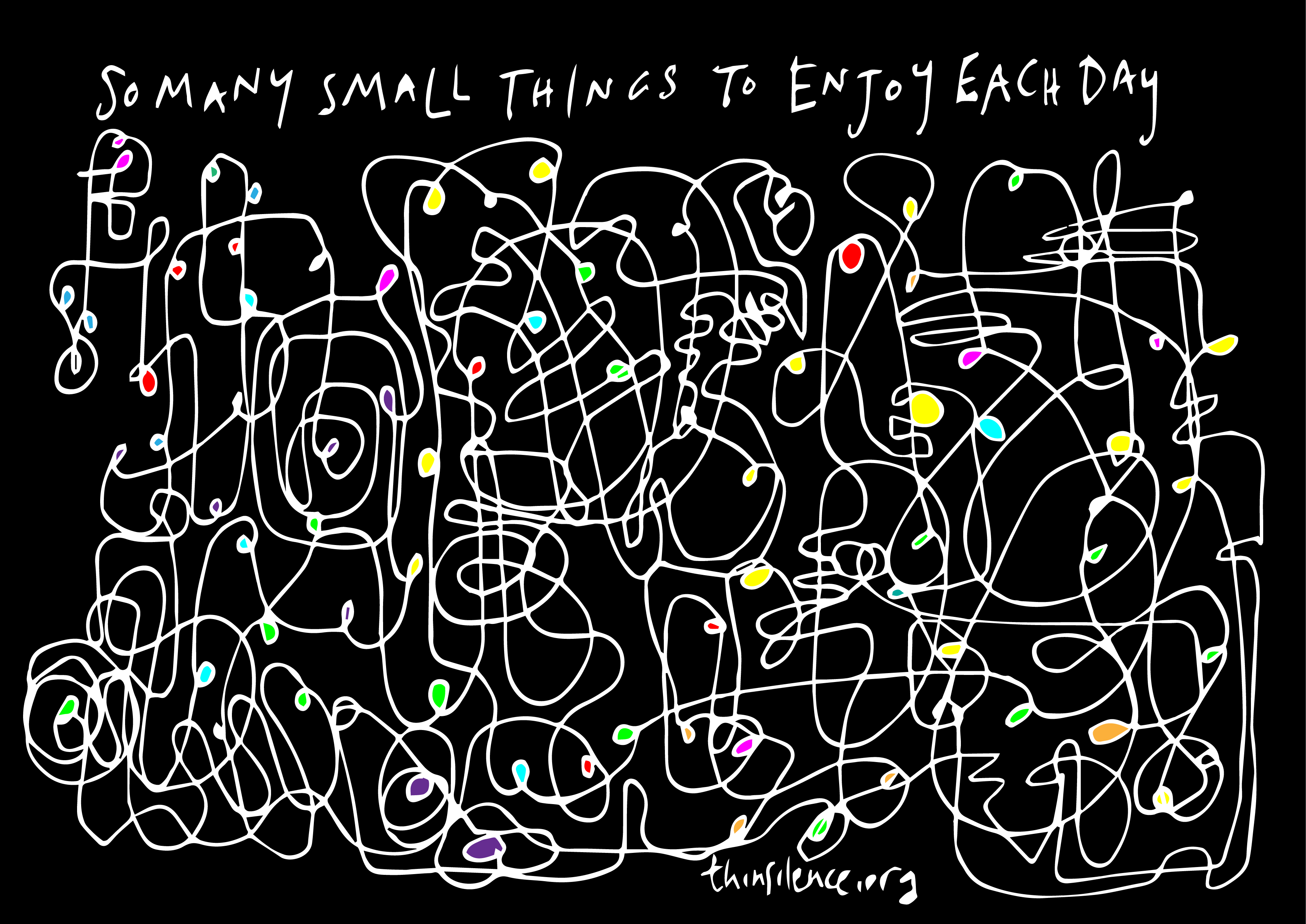
My advice to the person suffering from lack of time and apathy is this: Seek out each day as many as possible of the small joys.*
(Hermann Hesse)

Each sensory organ, each motor function can be harnessed to the production of flow.**
(Mihaly Csikszentmihalyi)

It isn’t the best job in the world but
You notice the smallest elements
That give you joy
And you repeat,
Stretch and
Repeat:

Your real work is play.^

(*Herman Hesse, quoted in Maria Popova’s Brain Pickings: Tiny Perfect Things.)
(**From Mihaly Csikszentmihalyi’s Flow.)
(^From Austin Kleon’s Keep Going.)

Naked fruit

The deepest need of man, then, is the need to overcome his separateness, to leave the prison of his loneliness.*
(Erich Fromm)

But we know exactly how we and where we can be hurt and why. That is as good a definition as any of self-consciousness. We are aware of our own defencelessness, finitude and mortality. We can feel pain, and self-disgust, and shame, and horror, and we know it. We know what makes us suffer. We know how dread and pain can be inflicted on us – and that means we know exactly how to inflict it on others.**
(Jordan Peterson)

Here is Jordan Peterson’s description of nakedness, having reflected on the Genesis story of Adam and Eve’s eyes being opened to their nakedness, far more than having nothing to wear. It had all begun with eating the fruit of good and evil.

If the human story ended there, we’d be in trouble, but we know how to include wonderful stories of mercy and grace, of forgiveness and new beginnings.

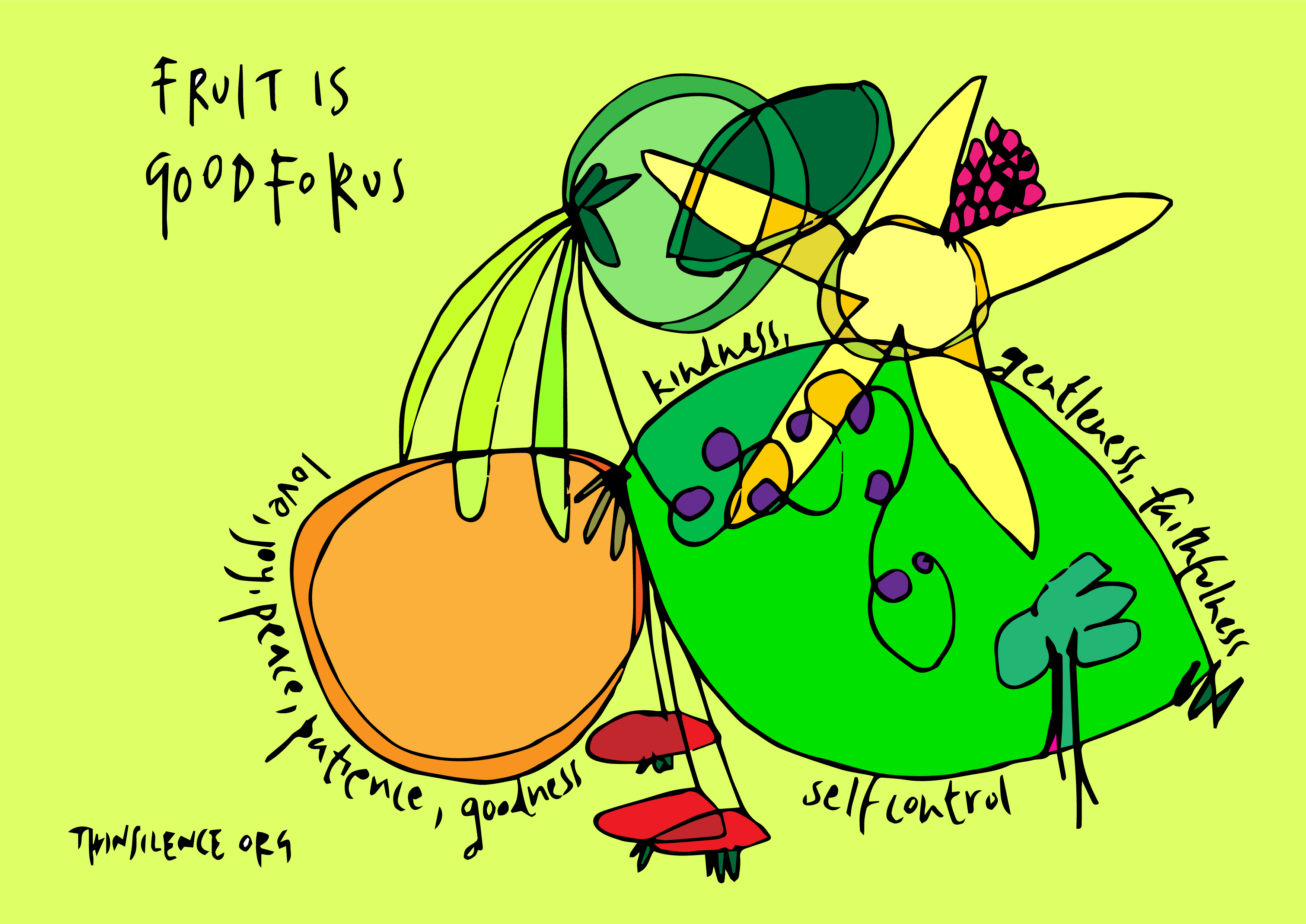
It’s about knowing how we’re all naked in the ways Peterson lists and to cover them with some love, joy, peace, patience, kindness, goodness, gentleness, faithfulness and self-control.^

Fruit from another kind of tree we get to shake the fruit from today.

(*From Erich Fromm’s The Art of Loving.)
(**From Jordan Peterson’s 12 Rules For Life.)
(^Galatians 5:22 – perhaps Paul was imagining another kind of tree when he listed these fru
it.)

Imagining what is not

Chaos is the domain of ignorance itself. It’s unexplored territory. […] Oder, by contrast is explored territory. […] To straddle that fundamental duality is to be balanced” to have one foot firmly planted in order and security, and the other in chaos, possibility, growth and adventure. […] That is where meaning is to be found.*
(Jordan Peterson)

Imagination is more important than knowledge. For knowledge is limited, whereas imagination embraces the entire world, stimulating progress, giving birth to evolution.**
(Albert Einstein)

What we want our lives to mean isn’t to be found here.

We’ve stopped moving a little too early.

If we stop here we may find ourselves head as a prisoner of our past.

We must step out into the other, the unknown, the seemingly chaotic – seemingly chaotic because absolute chaos is unsurvivable.

What appears chaotic is often simply what we do not know … yet:

True innovation isn’t about finding an alternative that gets us from A to B; it’s about envisioning new As and Bs. It’s about being open to redefining where problems begin and where solutions must end.^

(*From Jordan Peterson’s 12 Rules For Life.)
(**Albert Einstein, quoted in Ben Hardy’s These 20 Pictures Will Teach You More Than Reading 100 Books.)
(^From Bernadette Jiwa’s Hunch.)

The terrible responsibility

To stand up straight with your shoulders backs to accept the terrible responsibility of life, with eyes wide open.*
(Jordan Peterson: the first rule for life)

Saying “no” to the world can be really hard, but sometimes it’s the only way to say “yes” to your art and your sanity.**
(Austin Kleon)

The most courageous thing we can do is to be who we can be.

A person of integrity: connected to others, to our world and to ourselves.

This growing out of humility, the kind which says no to the many lives others want us to live.

What must you do and how will you do it today?

This is your responsibility and yours alone.

It is your restoration project.

I have mine.

(*From Jordan Peterson’s 12 Rules For Life.)
(**From Austin Kleon’s Keep Going.)
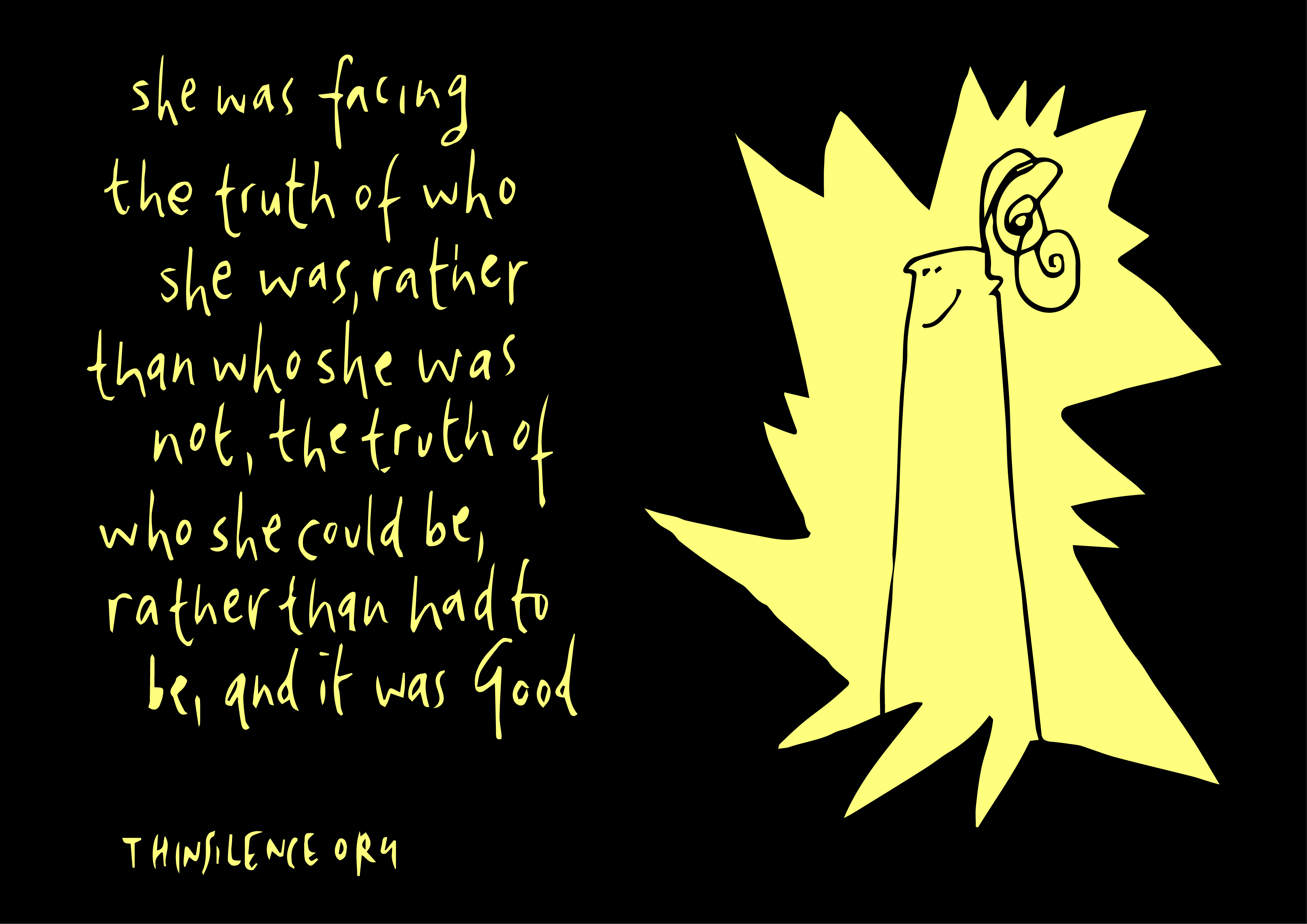
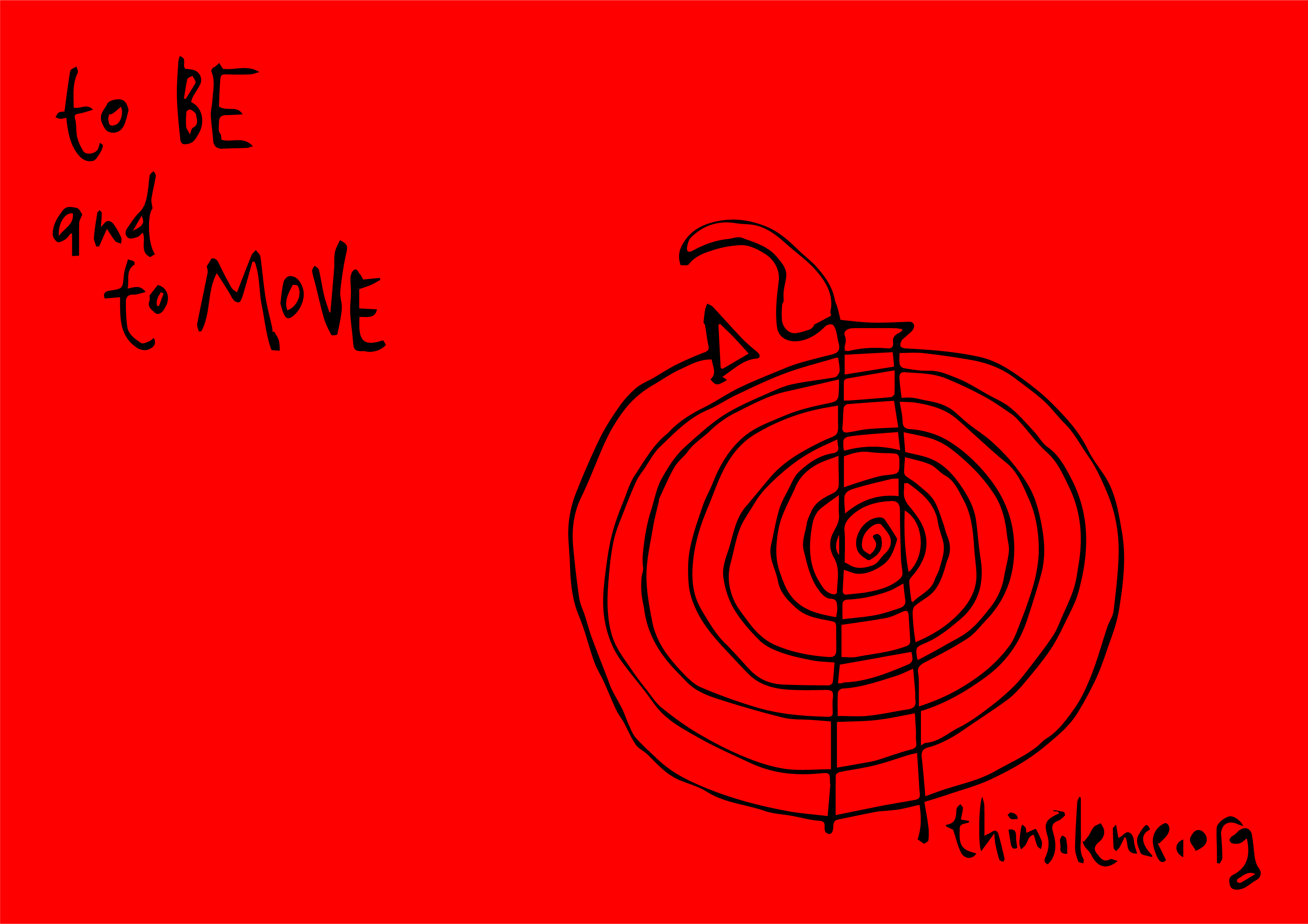
To be and to move

I must listen to my life telling me who I am*
(Henri Nouwen)

Beware roots. Beware purity. Beware fixity. Beware the creeping feeling that you belong. Embrace flow, impurity, fusion.**
(Lauren Elkin)

Jordon Peterson writes about the natural world in which we all have to live:

Considering nature as purely static produces serious errors of apprehension.^

We’re already who we are and we’re always in a state of flux.

To try and remain the same is a highly energy-sapping strategy. The trick is to keep changing in the same direction and, when we do, discover flow is open-ended :

The flow experience, like everything else, is not “good” in an absolute sense. It is good only in that it has potential to make life more rich, intense and meaningful; it is good because it increases the strength and complexity of life.^^

You have your roots, you have your purity, you have your fixity but don’t be satisfied with these: life is found in both the arriving and the journeying – into the flow, impurity and fusion.

(*From Henri Nouwen’s Discernment.)
(**From Lauren Elkin’s Flâneuse.)
(^From Jordon Peterson’s 12 Rules For Life.)
(^^From Mihaly Csikzsentmihalyi’s Flow.)