the foundations of the day

11-building-on-the

“Live the questions now.  Perhaps, then, some day far in the future, you will gradually , without even knowing it, live your way into the answer.”

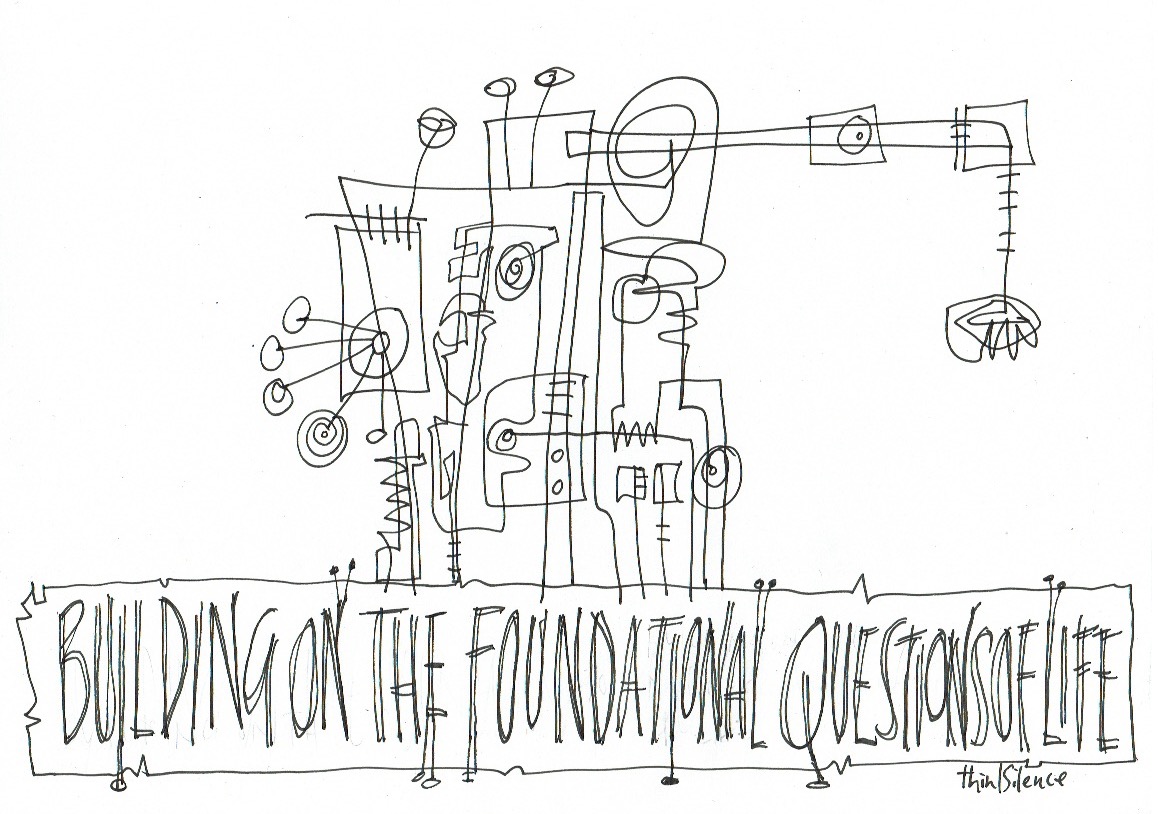
Foundations are more like questions than answers.  Foundations ask,

What will you build on this?

How wide do you want to go?

How high?

What kind of materials do you want to use?

What kind of terrain are you sinking these foundations into?

The best foundations allow for many possibilities, for when we have another bright idea.  When foundations are answers, they come with inflexibility and, so, limitations.

I find myself thinking of an organisation I’ve been connecting with for more than a year and the things that and are not happening on the surface.  I really respect the efforts of the people who’re involved but I suspect their foundations (what they believe, their experience within these kinds of institution) will prevent them from being about what they really hope for.

As with buildings and institutions, our personal foundations are critical, too.

Following watching the Star Wars movie, mythologist Joseph Campbell remarked:

‘It’s what Geothe said in Faust but which [George] Lucas has dressed in modern idiom – the message that technology is not going to save us.  Our computers, our tools, our machines are not enough.  We have to rely on our intuition, our true being.’**

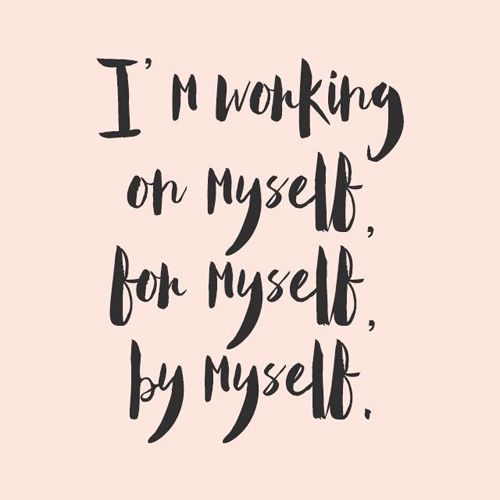
Technology, including social technologies, tend to lie above the surface of our lives but our true being is our foundation.  Our being, though, is actually interbeing – it’s how we are in rather than with others, the world, our bigger story.  I feel Campbell reflects this, too, when he goes on to say: The ultimate aim of the quest must be neither release nor ecstasy for oneself, but the wisdom and power to serve others.’**  Compare with this I saw tweeted today:
c137_howeaa9j8a

This is our greatest challenge today and for the foreseeable future.

‘A consumerist system creates a belief in the “scarcity within.” the belief that we need material goods to invoke the imagination, that we are incapable of constructing our own lives out of whatever we have at our disposal, that only others can provide his with the things needed to live.’^

The Wander Society holds up the possibility of “resiliency within” – which sounds a lot like complexapacity, or antifragility^^: a foundational approach to life, understanding that every day provides in opportunities for exploration and growth.

However, we neglect our foundations because they involve time and effort and honesty and sacrifice: ‘Privation and suffering alone open the mind to all that is hidden to others.’**

All of this anticipates all kinds of foundations because they are about each person’s curiosities, interests, questions, and directions for interbeing.

It is the adventure life has dealt you and me.

(*Rainer Maria Rilke, quoted in the Northumbria Community‘s Morning Prayer.)
(**From Joseph Campbell’s and Bill Moyer’s The Power of Myth.)
(^From Keri Smith’s The Wander Society.)
(^^Complexapacity is the capacity to deal with complexity, and antifragiity is Nassim Taleb‘s term for the capability of growing through stress.  Compare with [The Wander Society] do not feat the unknown, because they have learned that they are fully able to deal with the unexpected and respond to whatever situation arises.^)
the speed of cause

10-i-am-here-now-colour

“After all, a life without a cause is a life without effect.”*

“If you want to life life free, take your time, go slowly.”**

‘Today, our machine dream is to be never alone but always in control.  This can’t happen when one if face-to-face with a person.  But it can be accomplished with a robot or … by slipping through the portals of a digital life.’^

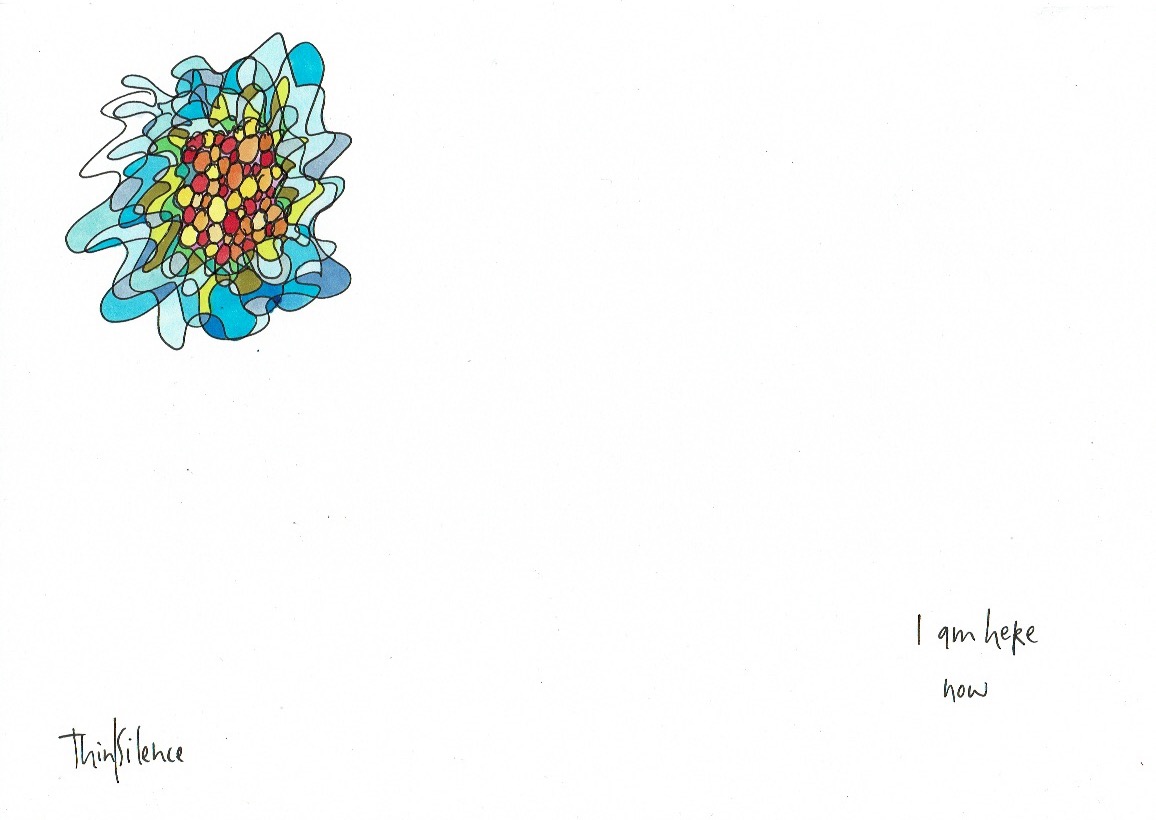
I am learning to slow down … to be here.

I am learning there is nothing more important than to bring what I can, here, now, to you.

In such a fast world, it is not easy, and too easy to live without a cause.

(*Paulo Coelho’s publisher in Aleph.)
(**Donovan Leitch, quoted in the Northumbria Community‘s Morning Prayer.)
(^From Sherry Turkle’s Alone Together.)

reputation

9-who-wants-a-bit-of

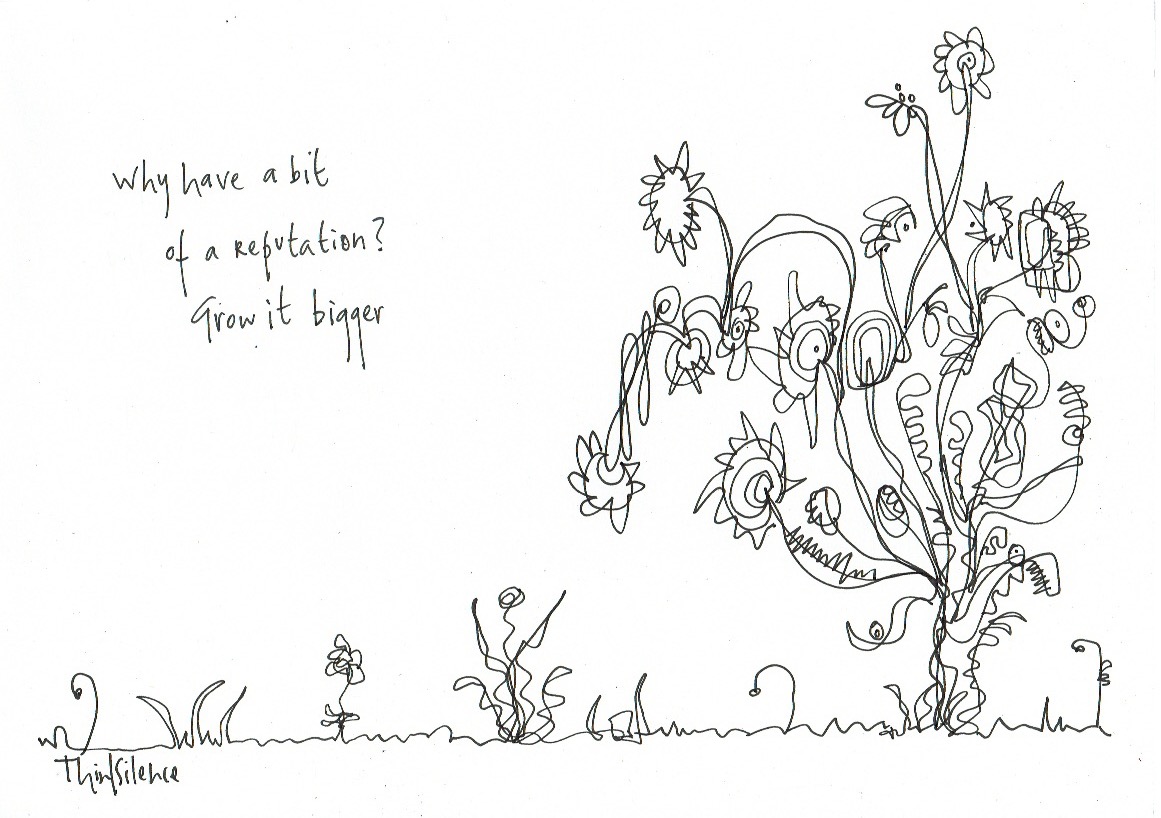
A reputation is simply what we’re known for.

‘people know more about each other than ever before’*

But is it the whole truth?

Only the truth can set us free, which I interpret to mean, only when we’re living within the real story of who we are rather than some overblown yarn (check out The Apprentice, or the selective and staged newsfeed on Facebook) or some understated tale of no ambition (“I have nothing you require”).

An important question, then: “How hard am I prepared to work to become the person I want my reputation to reflect?”

And, pleas, add in all the inherent vulnerabilities being a true, real person includes.

After we’ve decided, all that is left is the “dark middle,” a journey of no turning back.

An untrue journey is marked by ‘downloading, denying, de-sensing, absencing,’ and, in extreme cases, ‘deluding, destroying, and (eventually) self destroying.’**

Our reputation is the hard work of our own hands.

(*From Peter Diamandis and Steven Kotler’s Bold.)
(**From Otto Scharmer’s Leading From the Emerging Future.)

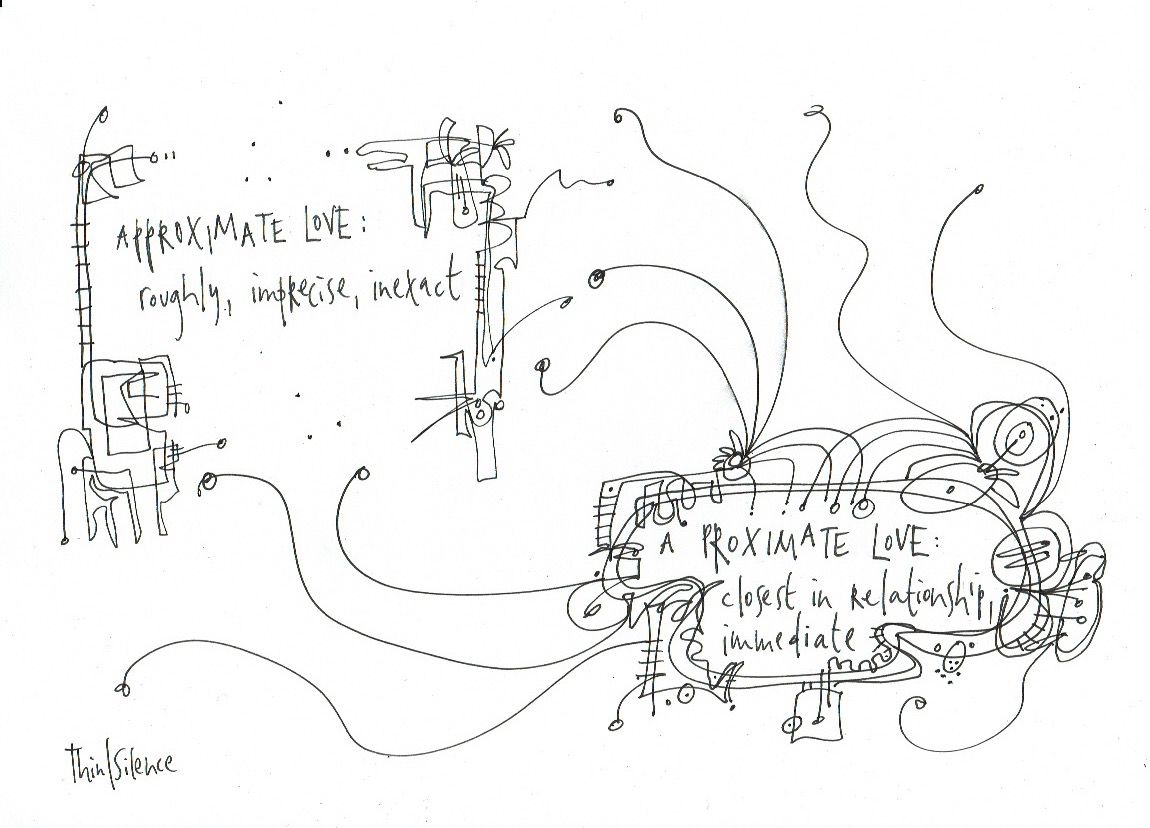
a proximate love

8-approximate-love

‘Yet the whole time, this love is but a few inches from you.’*

A few inches for me means two people getting together for a coffee or going for a walk in which open questions are asked and deep listening to one another takes place towards one another’s greater wellbeing.

What does it look like for you?

(*John O’Donohue, quoted in the Northumbria Community‘s Morning Prayer.)

what is your love?

7-in-the-end

“Take me to the spring of my life, and tell me my nature and my name.”*

“Without us here to witness, the universe is just pointless physics unfolding.”**

We are a frontiers-species.

As we enter the twenty-first century, we are pushing the borders of love for people who are not like us.  We desire to make it possible for more people to live the life they dream of, for them to be able to bring their most true self to others.  And the most important part of this is the way they love.

There is a general way to love and then there are the specific way.

General means providing people with our time, listening deeply to them, noticing and valuing the ways they are different from others, and to be present in order help them to grow.

Specific in how we do this, in building relationships or creating spaces or making changes.  Maybe in the ever-present support they need, or by being an encourager.  It could be the meeting of physical needs, or by making things for them, or having the time to help figure things out.

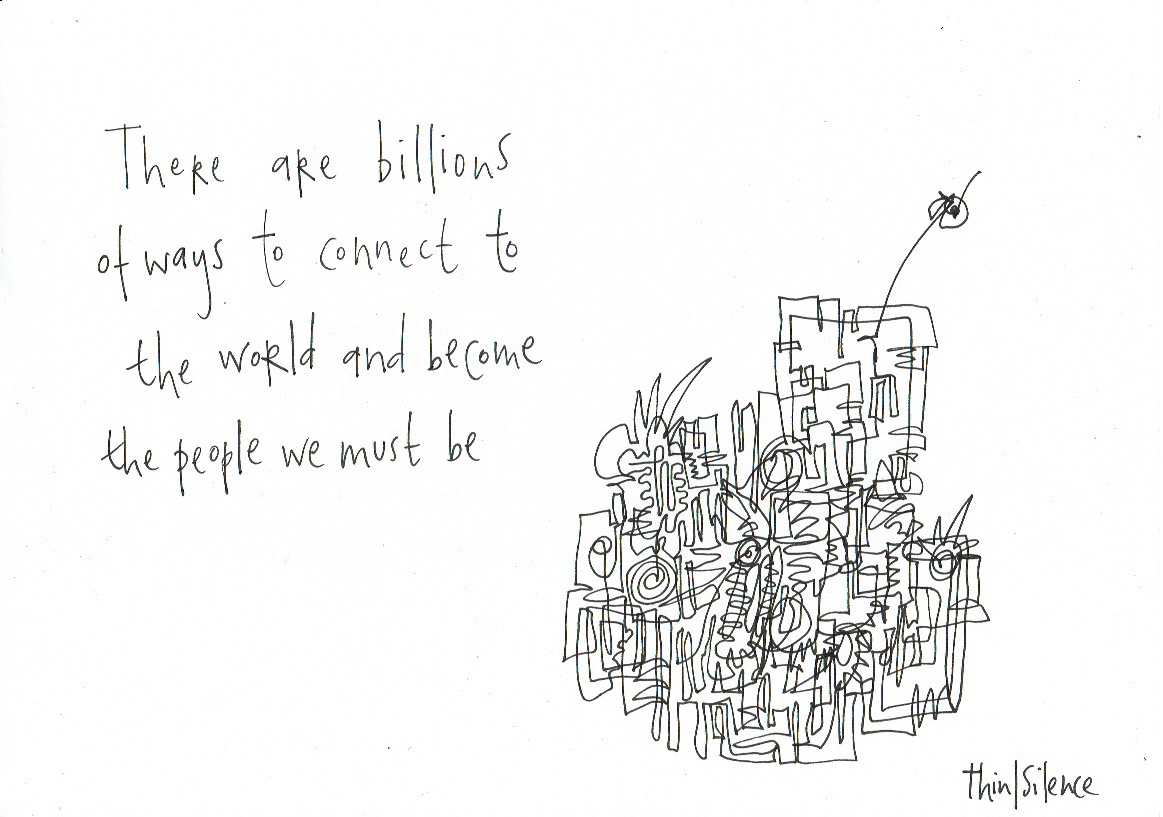
There are billions of ways to love but every time it must contain love for oneself.

Otherwise, we abdicate responsibility to others for our lives – whether the others are people or systems – and there are always plenty who take this, benefitting themselves whilst disadvantaging others.

Here we are, though, in a universe that has made it possible for a species to develop love – pushing the boundaries of love relentlessly outwards no matter the reactive movements that emerge.  In the end it’s the only thing that will truly define our species, outlasting everything else.

Generations before us have taken love as far as they could within their lifetimes and now it’s our turn for a little while.

Where to begin?

“The journey of a thousand miles begins beneath your feet.”^

‘Aren’t there a lot of attempted steps, failed steps, almost-steps, sort-of-steps …?’^^

There are many stuttering steps involved in loving.  We can open our minds to what it means to be more loving, we can feel the energy of love’s possibilities.  But love must do, we have to move towards another, often stutteringly, awkwardly, hesitatingly – at least it feels like this to me.

‘To be alive is to be vulnerable.’*^

‘The imagination can create the future only if its products are brought over into the real.  The bestowal of work completes the act of imagination.’^*

Here is our greatest creativity.  We become by moving towards one another, when, in the end, we will finally understand what it means to be human.

(*George Appleton, quoted in the Northumbria Community‘s Morning Prayer.)
(**The character Cormac Wallace in Daniel Wilson’s Robogenesis.)
(^Lao-Tzu, quoted in Geoff Nicholson’s The Lost Art of Walking.)
(^^From Geoff Nicholson’s The Lost Art of Walking.)
(*^From Brené Brown’s Daring Greatly.)
(^*From Lewis Hyde’s The Gift.)

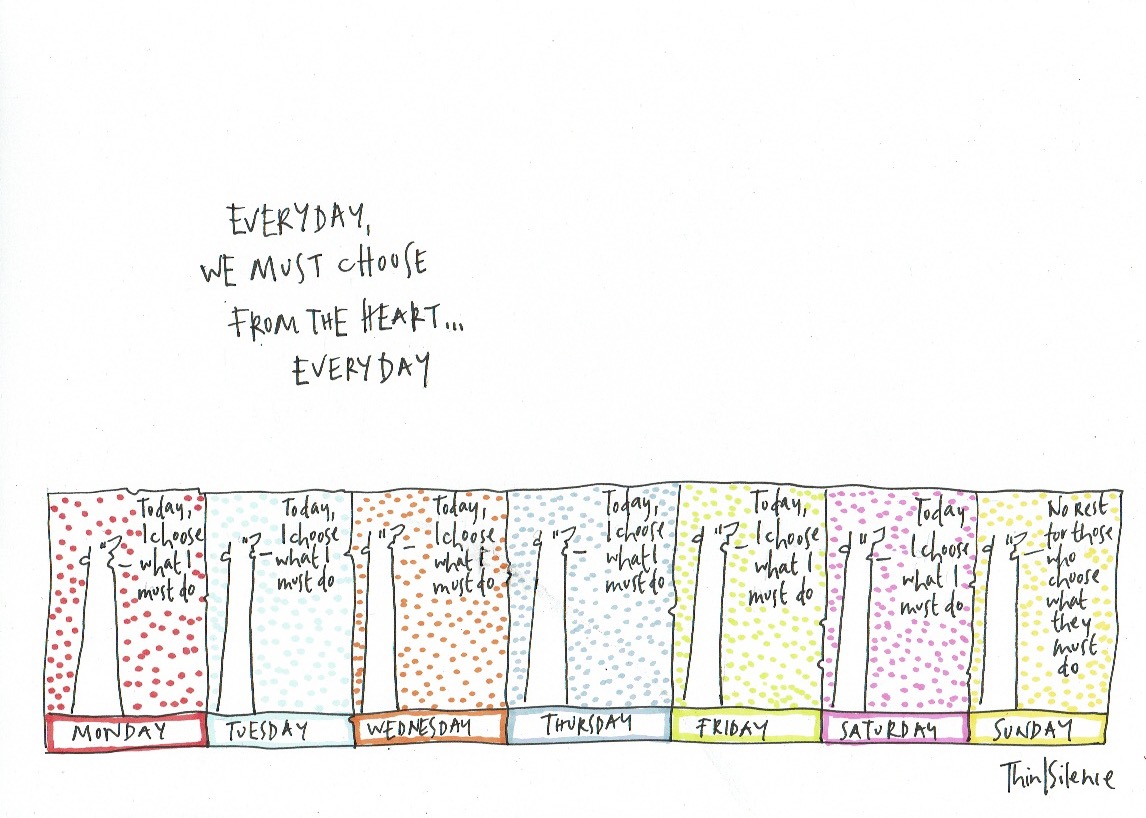
on growing up

6-every-day

There’s no one away, of course.

But we are all called to grow up in the way we are able to within the world and universe as they are unfolding: to see more, feel more, do more.

To see more.

We begin with observation.

‘The poet plays himself where the future becomes present.’*

‘Could our lives be journeys in which we stumble on things of indescribable beauty?  Are we to be alert to even the most ordinary moments of our lives for the possibilities?’**

This involves discovering a different kind of time.  Not chronos linear) time we think grown-ups should live in, rather the kairos (moment of possibility) time.

To feel more.

Developing the ability to live within this kind of time opens up the opportunity to feel what matters most deeply for us.  Of all the gifts that come to us, some resonate more deeply and we begin to shape these through our curiosity and interest and innovativeness.  We come to know some things and not others in a deeply nuanced way.  To then be described as an expert feels too fixed, as if we’ve made it; we know we never will, we don’t know how deep or far this rabbit hole might go.

‘To follow your gift is a calling to wonderful adventure of discovery.  Some of the deepest longing in you is the voice of your gift.  The gift calls you to embrace it, not to be afraid of it.^

To do more.

To see more is not to be grown up.  To feel more is not to be grown up.  To do more and make something happen in the lives of those around us is to be grown up.   To choose each day to live our values, to use our gifts, and to love are the most grown up things any of us can do.

‘Infinite games, on the other hand, are played for the privilege of playing.  The purpose of an infinite game is to allow the other plays to play better.’^^

I can’t grow up in the way you can.  I leave that to you.

(*From Lewis Hyde’s The Gift.)
(**From my friend and mentor Alex McManus.)
(^From John O’Donohue’s Eternal Echoes.)
(^^From Seth Godin’s The Icarus Deception.)


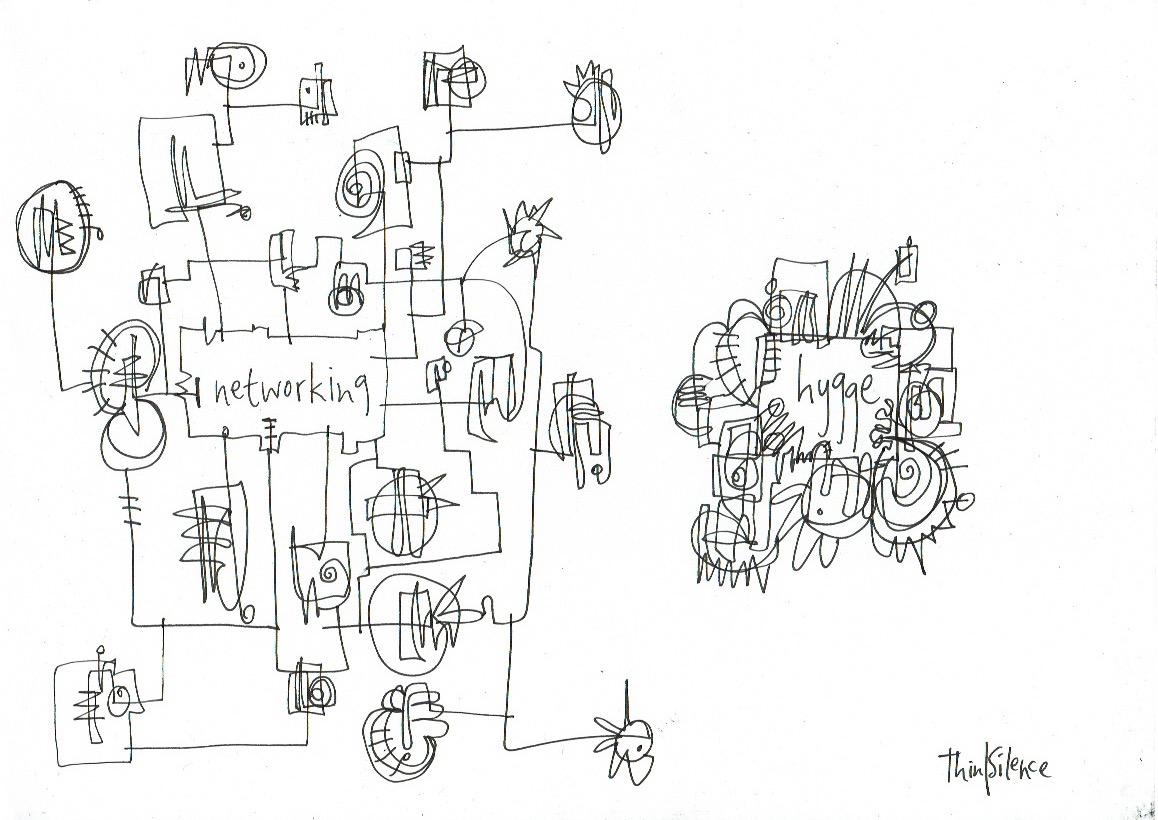
never mind the quality, feel the width

5-networking-hygge-2

Is the name of a 1960-70’s British sitcom about an Irish and Jewish tailoring partnership that was low on quality.  It might also be a description of the Internet when it comes to relationships.

“I’ve been trying all my life to find out what my limits are and have never reached them yet.  But then the universe doesn’t really help, it keeps expanding and won’t allow me know it entirely.”*

“You know after any truly initiating experience that you are part of a much bigger whole.  Life is not about you henceforward, but you are about life.”**

The future is going to be about relationships first and connections second.  We’re going to be in a lot of trouble if we get this the wrong way around.   Just today, within a few breaths of each other, two stories on the news – the Children’s Commissioner for England reports that children are being left to fend for themselves online, and a footballer is sacked after tweeting horrible things about another footballer’s stillborn child.

There’s certainly more connection but the quality isn’t very good.

‘Networked, we are together, but so lessened are our expectations of each other that we one feel utterly alone.’^

Danish used to mean bacon but now we’re getting into hygge (hoo-gah) – wellbeing marked by atmosphere (turn the lights down), presence (be fully here, so turn the phones off), pleasure (cake and chocolate and …), equality (we not me), gratitude (soak it all in), harmony (leave competition behind) comfort, truce (no dramas, please`), togetherness, and shelter.’^^

In-between our adventures, we all need experiences of physically being together – where quality of relationship is high.  Whilst our minds are relentlessly voyaging, our body can only be in one place.

‘Connection is the energy that is created between people when they give and receive without judgement.’*^

Technology isn’t going to go away – and, hey, we enjoy it – we need to develop our relationships as well as our networking, and hygge – ‘”consideration”, “mood”, “comfort”, “hug”, and “wellbeing” may all be words to describe elements of what hygge is today’^^ – is going to be a very useful contribution to life on earth for many of us, so turn the lights low, stoke the fire, serve some cake, enjoy each other’s stories and just encourage one another to be more and more ourselves.

(*The character J, quoted in Paulo Coelho’s Aleph.)
(**Richard Rohr, quoted in Brene Brown’s Rising Strong.)
(^Sherry Turkle’s Alone Together.)
(^^From Meik Wiking’s The Little Book of Hygge.)
(*^From Brene Brown’s Daring Greatly.)

paring and pairing

4-here-to-be-colour

‘paring down and questioning is also the path of the wanderer’*

‘A DIY community is a group of people united around a massively transformative purpose (MTP), a collection of the passionate willing to donate their time and their minds to projects they truly believe in.’**

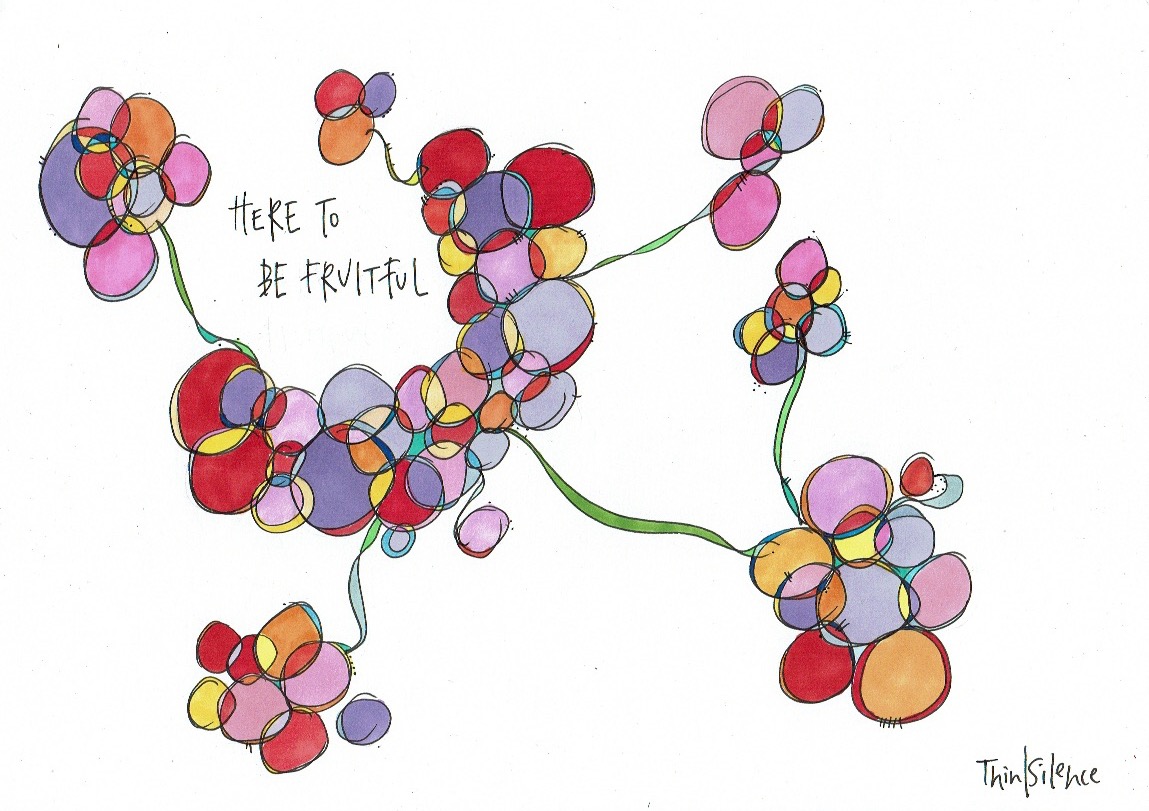
Our ancestors discovered that when fruit bushes and trees were carefully pruned they become more fruitful.  Less was more: larger fruit rather than lots of leaves.  They were able to relate this to their lives, asking what needed to be pared away if their lives were not being as fruitful as they hoped and spiritual practices developed.  Pruning sounds painful but when we “settle down” we can get stuck and ‘become okay with average lives and low expectations.’^

We can all shape our own spiritual disciplines but here are some: ‘skill-building, self-sufficiency, exploration, research, [and] mind-expanding tasks.’*

Another dimension of fruitfulness includes pairing with others.  We need others if we are to be more fruitful.  Though we may or may not have constant companions in our purposefulness there are always those willing to walk with us for some of the way, making it possible for our endeavours to “come to fruition” in and/or through our lives:

The motto of the alchemist is Solve et coagula: to separate and bring together.  We need to separate our lives until we find our essential Must and then we bring this together with others:

‘A redwood tree cannot stand on it owns and neither can we.  The source of Must connects all.’^^

(*From Keri Smith’s The Wander Society.)
(**From Peter Diamandis and Steven Kotler’s Bold.)
(^From Patrick Dodson’s Psychotic Inertia.)
(^^From Elle Luna’s The Crossroads of Should and Must.)

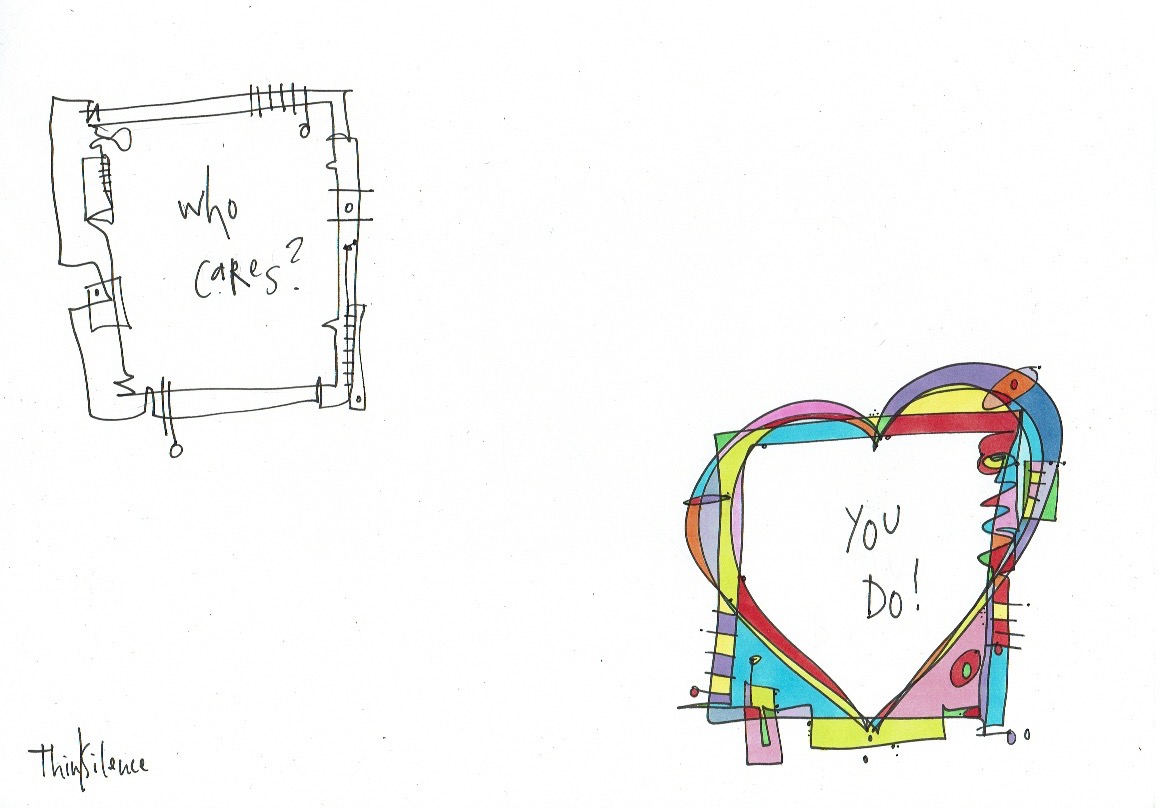
who cares?

3-who-cares

You do.

‘Throughout the world, more and more entrepreneurs, engineers, experts, scholars, lawyers and managers are called to join the empire [of all humankind].’*

‘Beyond my flesh, beyond my mind, beyond my heart, there seems to be a place where my deepest and most powerful longings lie.  And they do not lie silently.’**

We all care but each of us struggles with the daily medication of a modern life that lauds comfort, “removing the nagging tug of passion, creativity, and individual desire.”^

Beyond the medication there is something we all deeply care about and has the potential of changing someone’s world:

“To act is to modify the shape of the world.”^^

Where to begin?

Is it possible that the richest of lives is entered when we uncover our problems instead of hiding from them?  Uncovering them, asking questions of them, bringing all your energy to bear on solving them and perhaps we’ll have identified our most critical story.

“Don’t ask what the world needs.  Ask what makes you come alive and go do it.  Because what the world needs is people who have come alive.”*^

(*From Yuval Noah Harari’s Sapens.)
(**From Erwin McManus’s Soul Cravings.)
(^Wendy Wasserstein, quoted in Patrick Dodson’s Psychotic Inertia.)
(^^Jean-Paul Sartre, quoted in Elle Luna’s The Crossroads of Should and Must.)
(*^Howard Thurman, quoted in Elle Luna’s The Crossroads of Should and Must.)

schilderwald

2-there-are-billions

‘We need to admit that speed can produce less than desirable results.’*

‘It is wonderful to behold a person who inhabits their own dignity.  The human body is its own language.’**

Is education a qualification to be procured?  Or may it be about developing imagination, creativity, and love?

We’re “built” to be open to and develop wisdom.  Only, we’ve believed those who have told us, “This is the only way to do it; this is what you must achieve.”

If we’re prepared to see that wisdom comes to us over a lifetime then we can become a source of wisdom for others.    There’re different kinds of education opening to us allowing us to connect locally and globally with all kinds of knowledge – exemplified by Seth Godin’s altMBA but which may look like something else completely.

Follow our curiosities and interests; read, connect with course, with others, and experiment a little and see what happens.

‘Our words and language shape our hopes and dreams for the future – and our dreams for the future shape how we act today.’^

“True wisdom consists in respecting the simple things we do, for they can take us where we need to go.”^^

We become makers of our own paths, our own learning, even our own language.  We must trust our ability to learn, to interact with our environment, to take a step as a result, for thoughts and language to form, for these to create our future and open up the future of another.

Schilderwald is a word specific to Germany meaning, “A street with so many roadsigns that you become lost.”^

We have a fresh opportunity to remove ourselves from the clutter of what we have been taught to think, to aspire to, and to walk the path that owns our name.

(*From Maggie Berg and Barbara Seeber’s The Slow Professor.)
(**From John O’Donohue’s Eternal Echoes.)
(^From Meik Wiking’s The Little Book of Hygge.)
(^^Yad, a character in Paulo Coelho’s Aleph.)