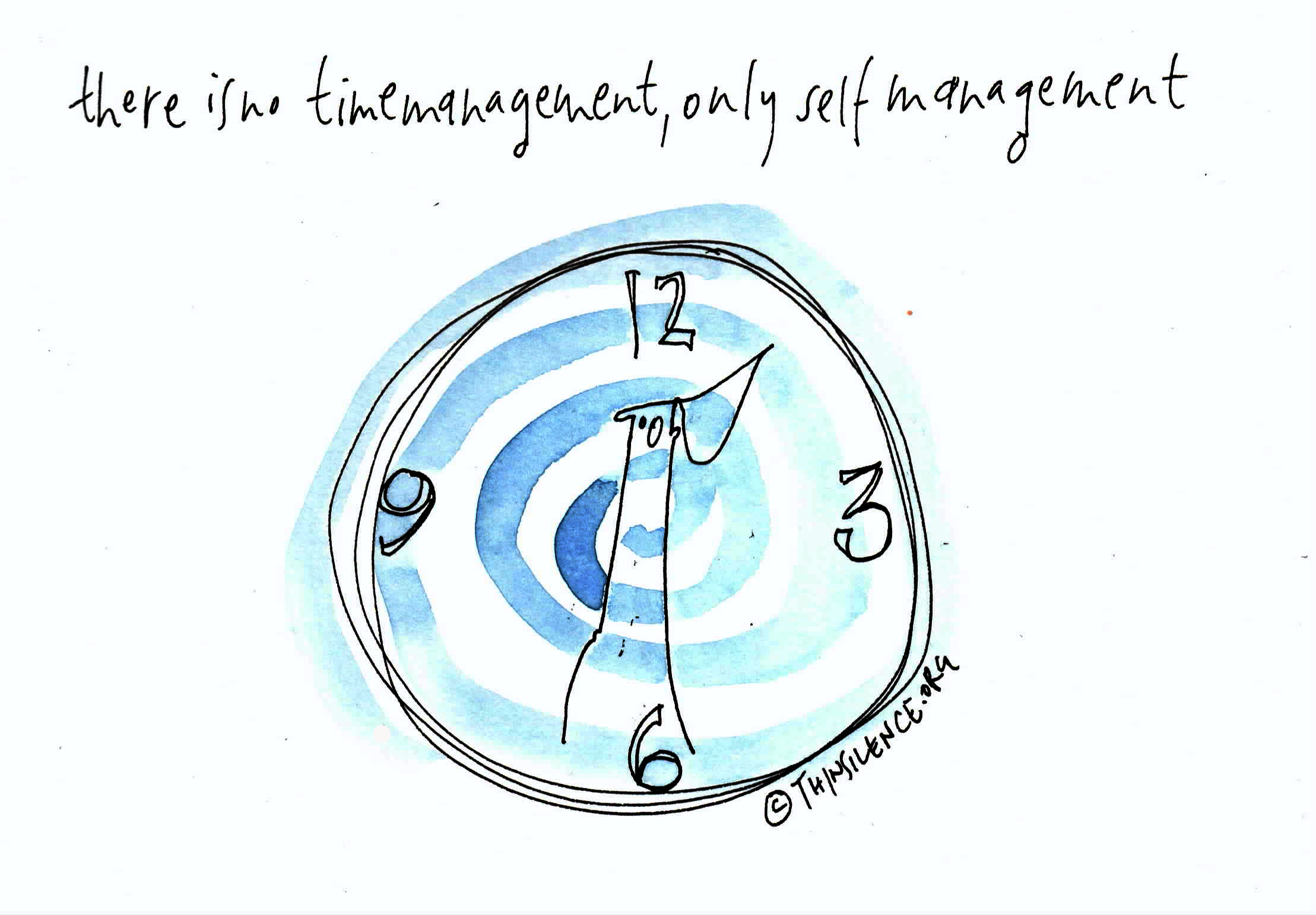
Time is the substance I am made of. Time is a river that sweeps me along, but I am that river; it is a tiger which destroys me, but I am the tiger; it is a fire which consumes me, but I am the fire.* Jorge Luis Borges
If time were linear, The moment would have passed, Forever, But because time is you, Even now you may still do that thing you must do.
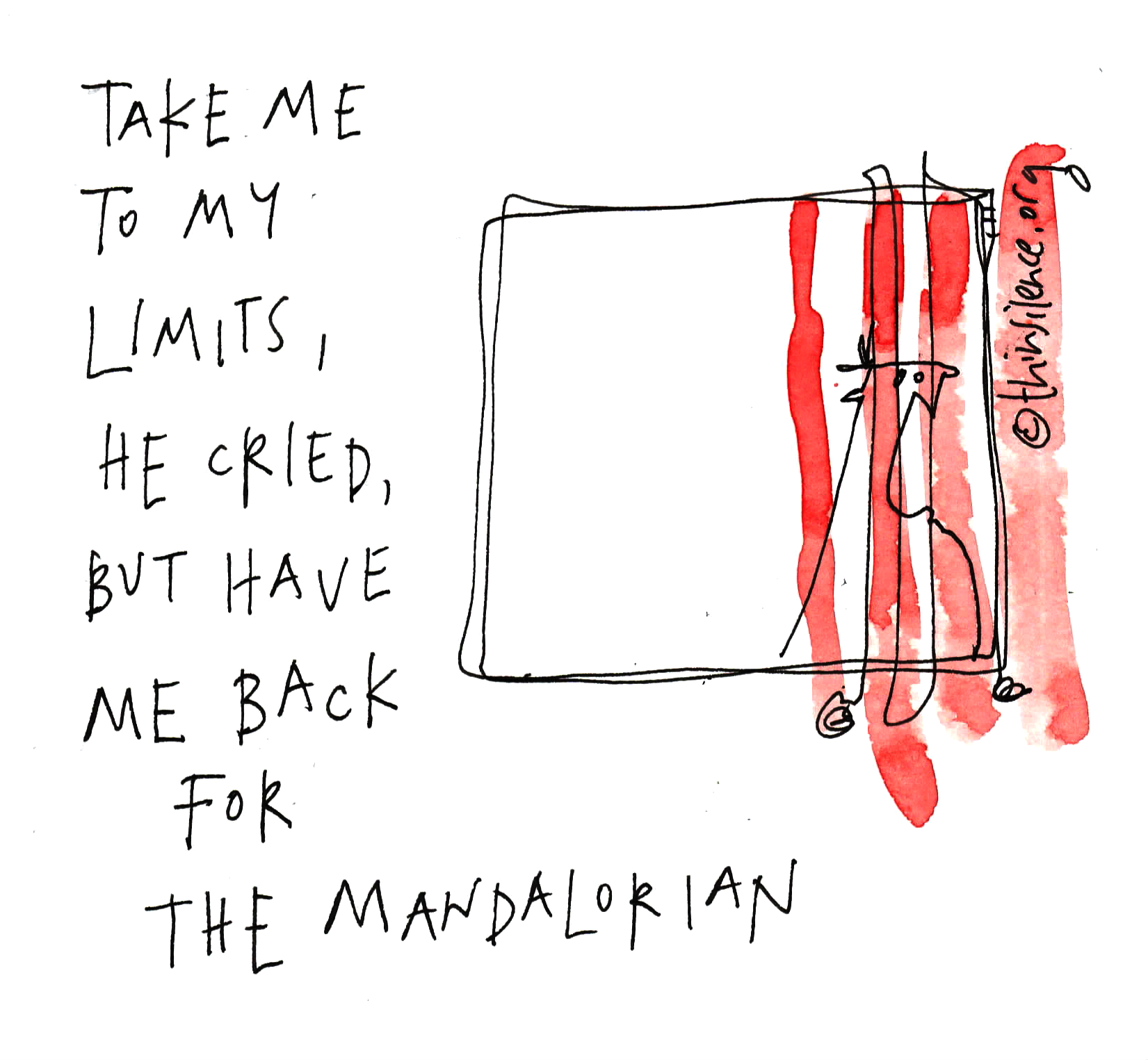
When you try to focus on something you deem to be important, you’re forced to face your limits, an experience that feels especially uncomfortable precisely because the task at hand is one you value so much.* Oliver Burkeman
The very moments that make us go “wow!” are the very same moments that can change our lives.** Jonah Paquette
As I read these words, I couldn’t help but bring to mind the hopes of Joseph Campbell and Frederick Buechner shared in yesterday’s post, For it is never a waste of time noticing what we notice, Especially when this changes us – And f it changes us it can help someone else. But the desire to remain within our comfort zones, And not prod and push at our limitations, is often a slippery path to a smaller life.
participate joyfully in the sorrows of the world* Joseph Campbell
Instead of calling everything a game, we should think of everything as playable: capable of being manipulated in an interesting and appealing way within the confines of its constraints.** Ian Bogost
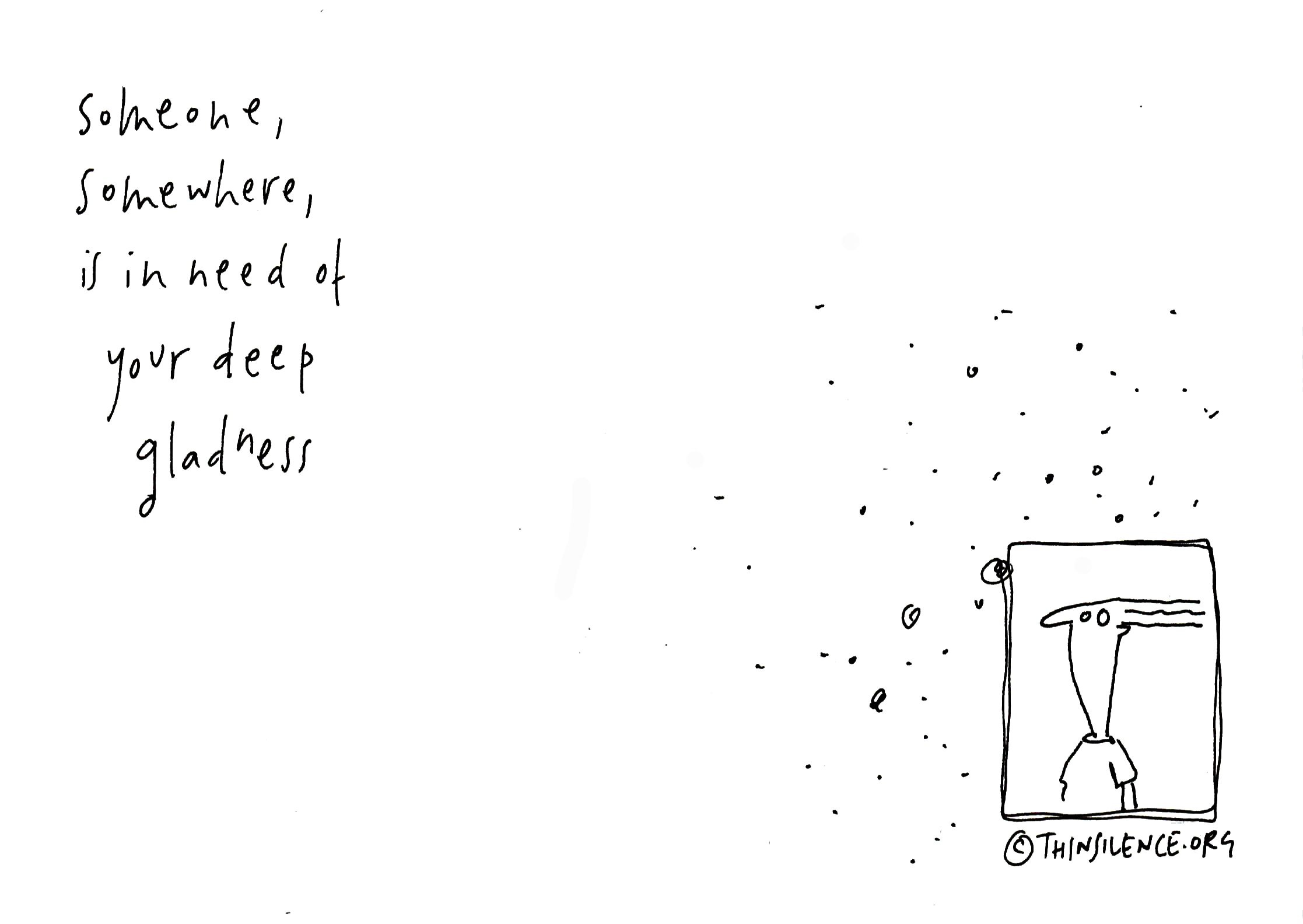
I often share this thought as its espoused by Frederick Buechner, How it is that we find our purpose where our deepest joy meets the world’s greatest need. This suggests to me a wonderful free-market economy in which we each identify our art or invention that will be meet the need of another – This is what all art strives for: the creation of a living permanence^ – Not for everyone, but for someone.
All of us have to learn how to invent our lives, make them up, imagine them. We need to be taught these skills, we need guides to show us how. Without them, our lives get made up for us by other people.* Ursula Le Guin
Reading a myth without a transforming ritual that goes with it is as incomplete as simply reading the lyrics of an opera without the music. Unless it is encompassed as part of a process of regeneration, of death and rebirth, mythology makes no sense.** Karen Armstrong
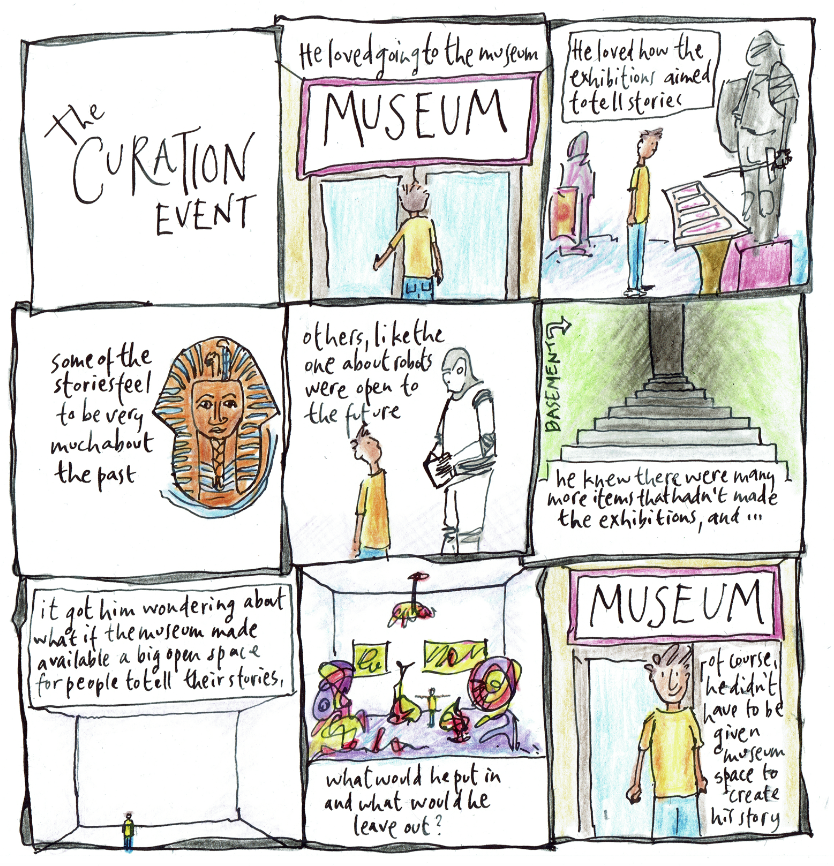
Mythologist Joseph Campbell^ suggests that we require two myths by which we might live our lives: A personal myth and a social myth. Frederick Buechner urges us to find our purpose where our deepest joy meets the world greatest need. Otto Scharmer tables two important questions for us to explore: Who is my True Self? and What is my Work? And so it stacks up that the best stories are about who we are becoming and what we are bringing to others. Campbell believed that the old myths no longer serve us as we need them to, but life is so fast, so busy, we are unable to create new myths for ourselves. He spoke about this in 1985, before the speed of life was supercharged by the internet, something Oliver Burkeman would uncover more than thirty years later: once the attention economy has rendered you sufficiently distracted, or annoyed, or on edge, it becomes easy to assume that this is just what life inevitably feels like.*^ But there’s never been a better resourced time for us to mindfully and compassionately reflect upon our stories, Question who’s writing them, and reinvent them so that they become transformative both for ourselves and for others.
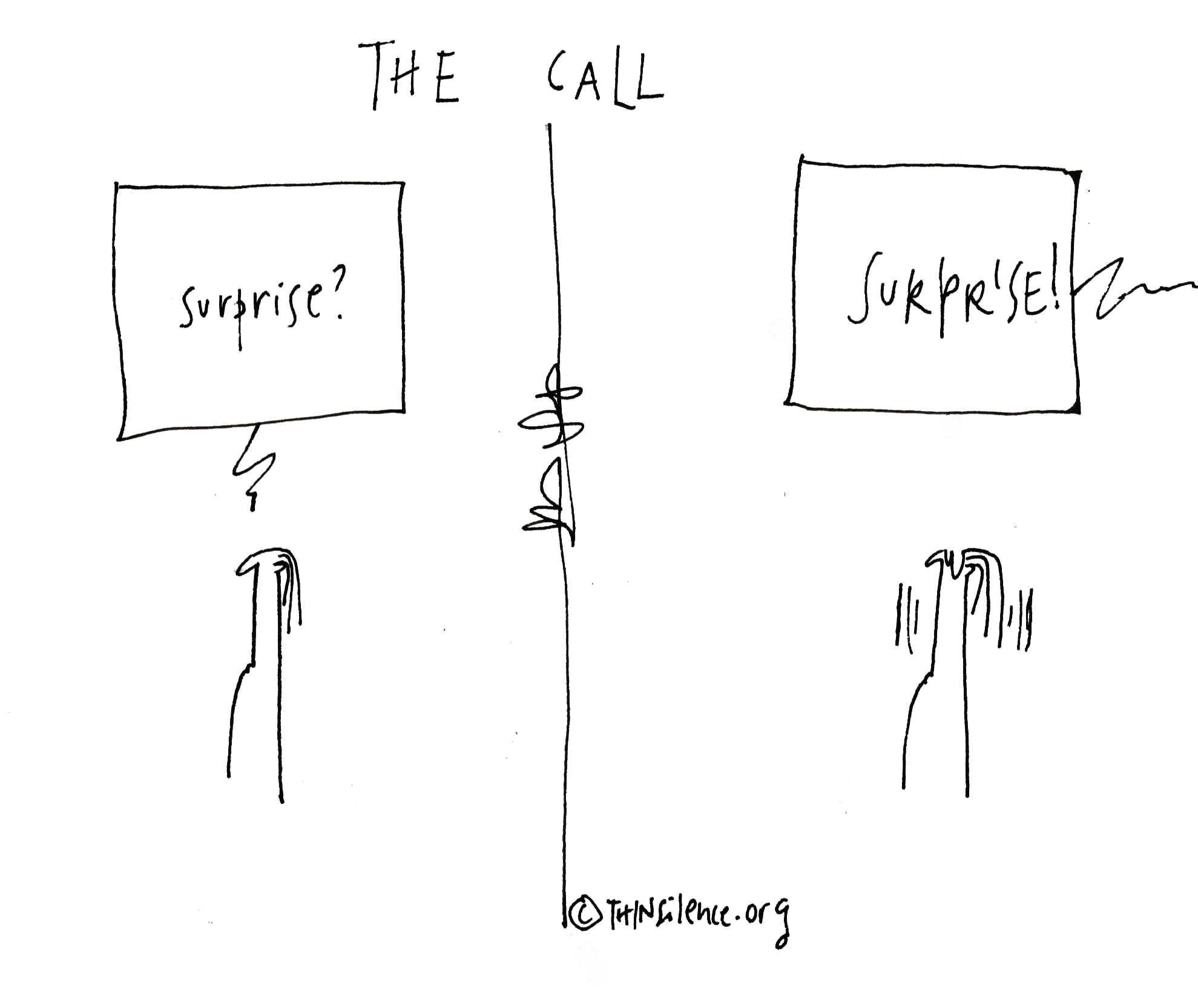
Generous listening is powered by curiosity, a virtue we can invite and nurture in ourselves to render it instinctive. It involves a kind of vulnerability – a willingness to be surprised, to let go of assumptions and take in ambiguity. The listener wants to understand the humanity behind the words of the other, and patiently summons one’s own best self and one’s own best words and questions.* Krista Tippett
Krista Tippett’s words connect in many directions: to Theory U’s* movement from cynicism to compassion; to James Carse’s^ infinite player who wants to be surprised: to Erwin McManus’^^ questor’s search for honour beginning with humility; and to Brené Brown’s*^ embracing of vulnerability in order to live fully. Evidence that our curiosity and willingness to listen will lead us into a richer world – Good to know we can grow these.
You can’t just be you. You have to double yourself. You have to read books on subjects you know nothing about. You have to travel to places you never thought of travelling. You have to meet every kind of person and endlessly stretch what you know.* Mary Wells
Attention … just is life: your experience of being alive consists of nothing more than the sum of everything to which you pay attention.** Oliver Burkeman
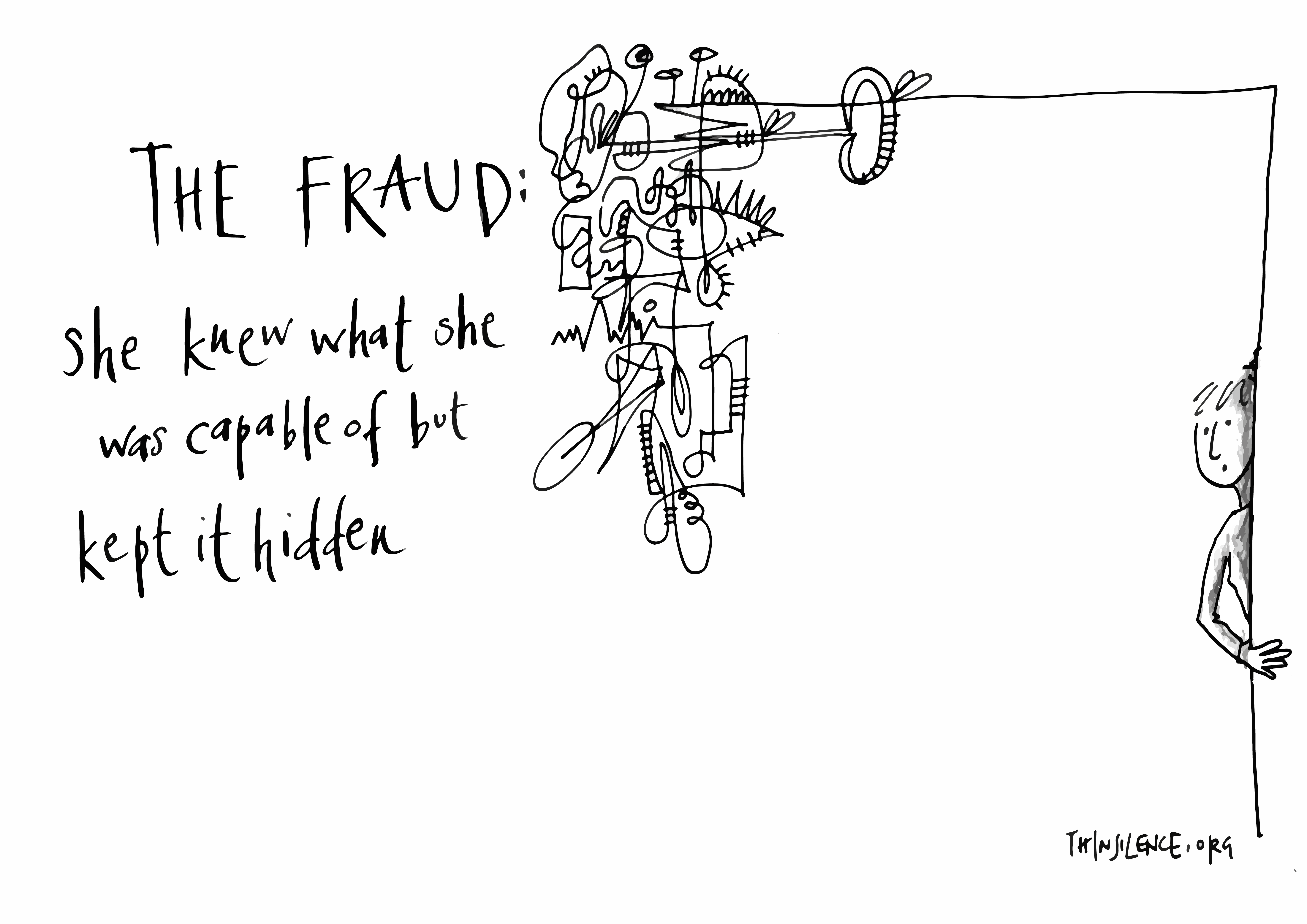
Growing ourselves is most difficult and the most important work we’ll ever do: When we choose the work that will also stretch us to become more rather than less. As Clarissa Pinkola Estés helpfully contrasts: Three things differentiate living from the soul versus living from ego only. They are: the ability to sense and learn new ways, the tenacity to ride a rough road, and the patience to learn deep love over time.^ May we avoid all imitations.
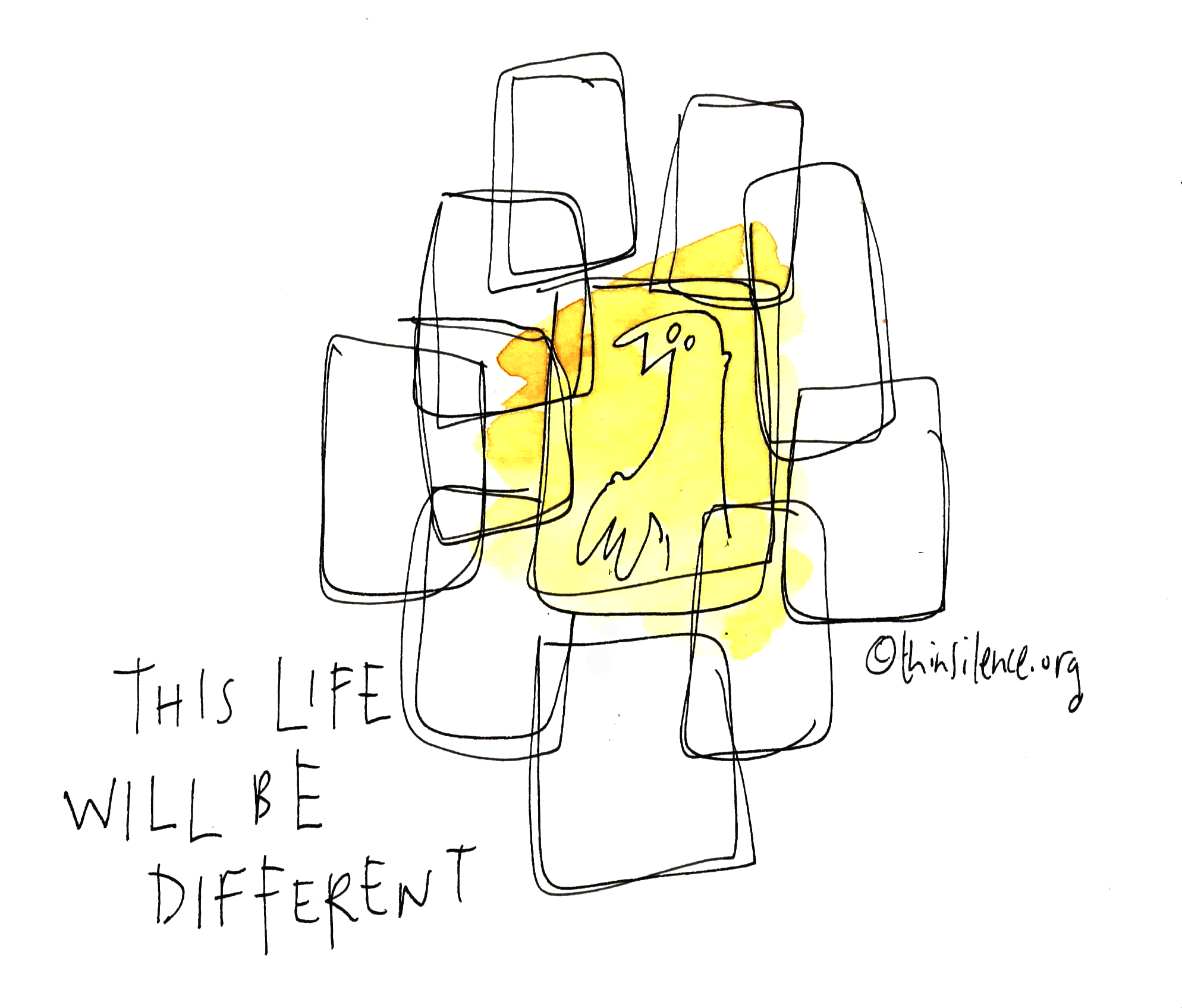
Our lives are a process of constant discovery and invention. Each os us lives a unique human life.* Bill Sharpe
A job is made fun not by turning it into a game, but by deeply and deliberately pursuing it as a job.** Ian Bogost
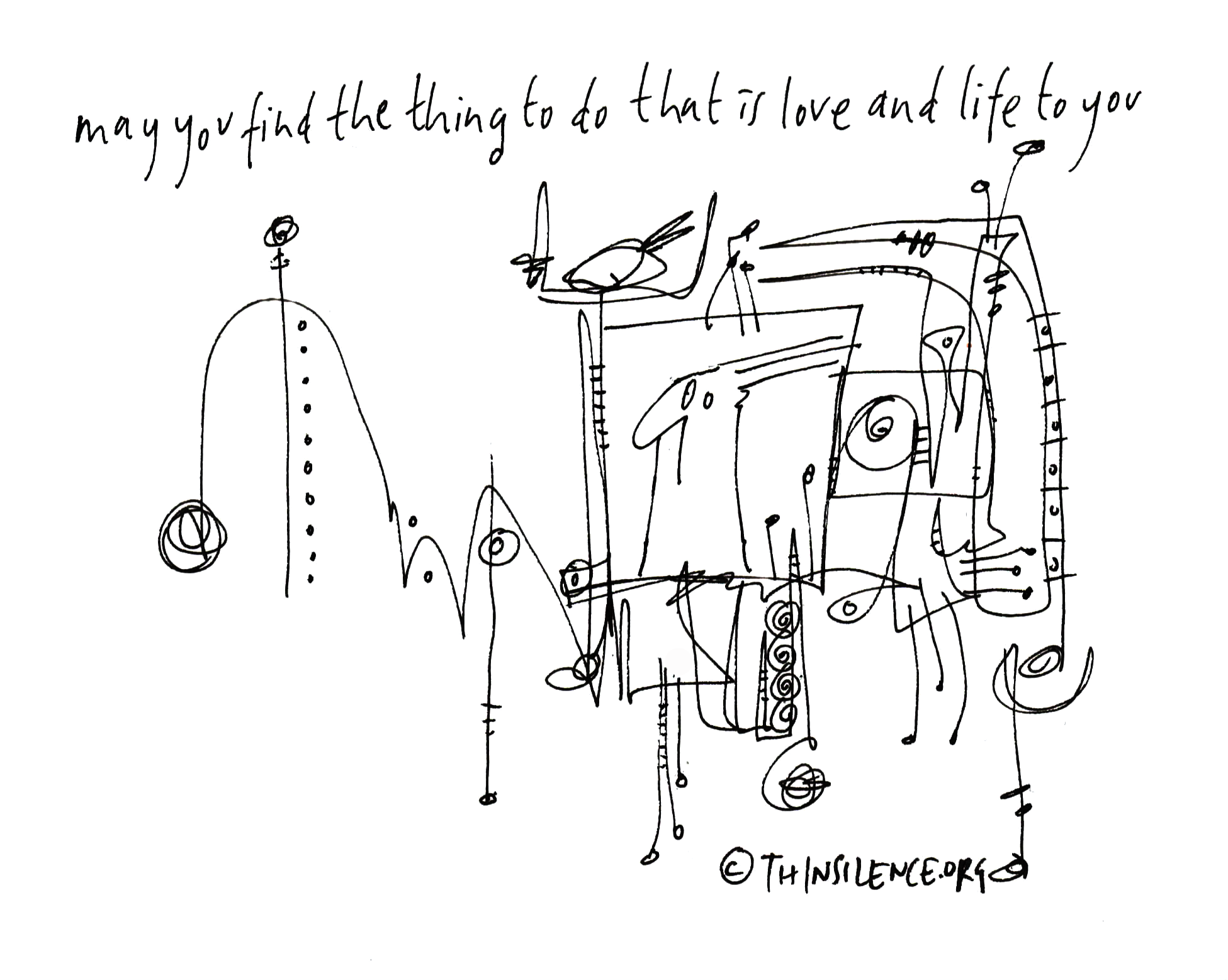
When you bring your talents, energies, and values to play upon the work you do, You not only get to sing your “song,” Others also get to hear it. This may not be where we feel yourself to be right now, Madeleine L’Engle shares some words on writing to help with your song, or story: As with all my books, Starfish was more rewritten than written, and with each subsequent book the need to rewrite becomes more rather than less.^ May it become more than work, May it be love and live to you and those you share it with, and, if it isn’t there yet, Rewrite it.
Can you have an experience you don’t experience?* Oliver Burkeman
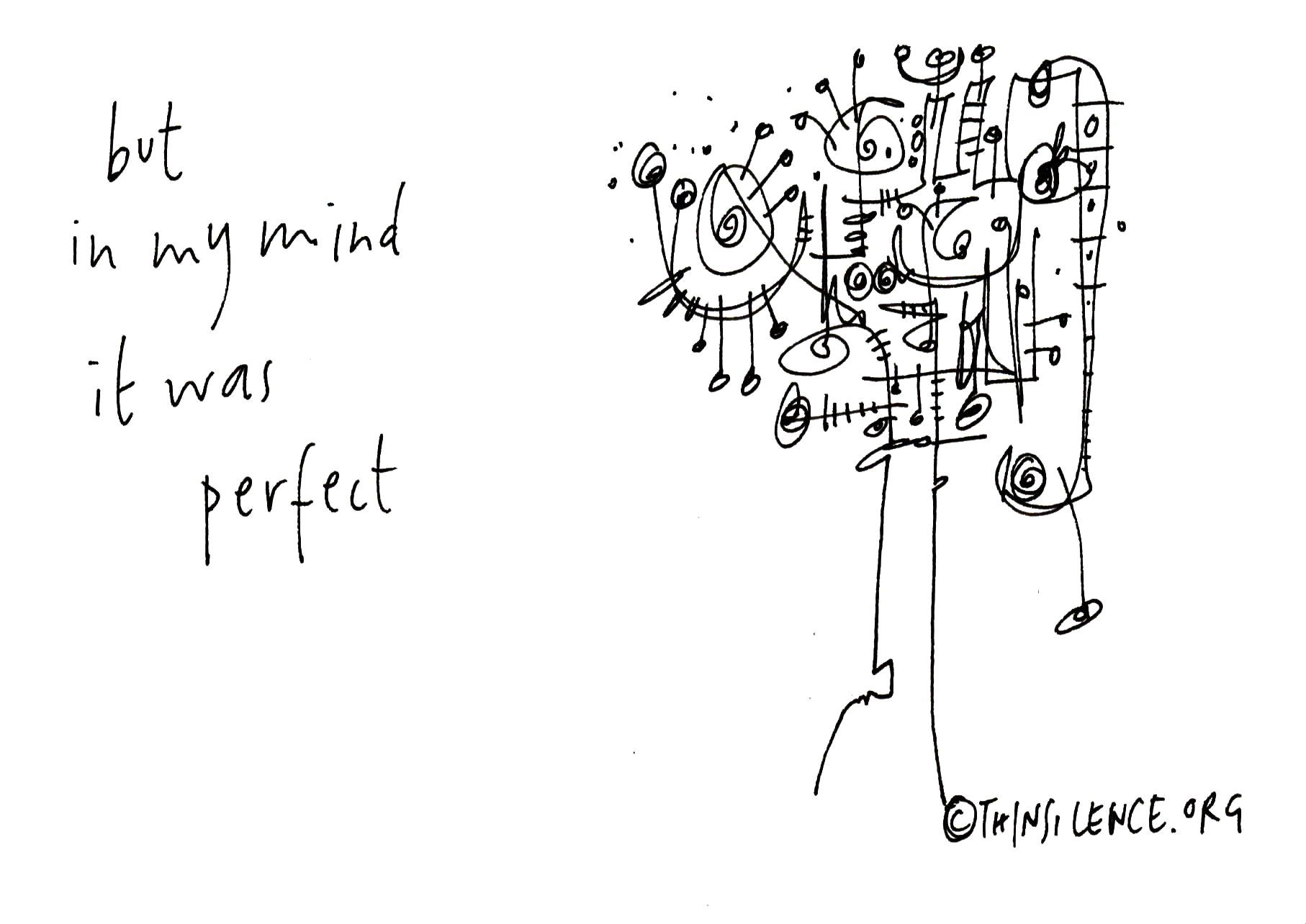
Perfect is overrated. Perfect would have to know everything, and we don’t; Perfect would have to contain everything, and we can’t. I wonder whether imagining something in a perfect way is how our brains have developed in order to get us started on stuff. It’s unlikely we’d do anything if we imagined something to be rubbish. But perfect gets the blood pumping, But then we need to know we can’t actually make that, And who would want to? Perfect can’t grow, develop and change into something better, but it can help us begin.

 THIN|SILENCE
You must be logged in to post a comment.