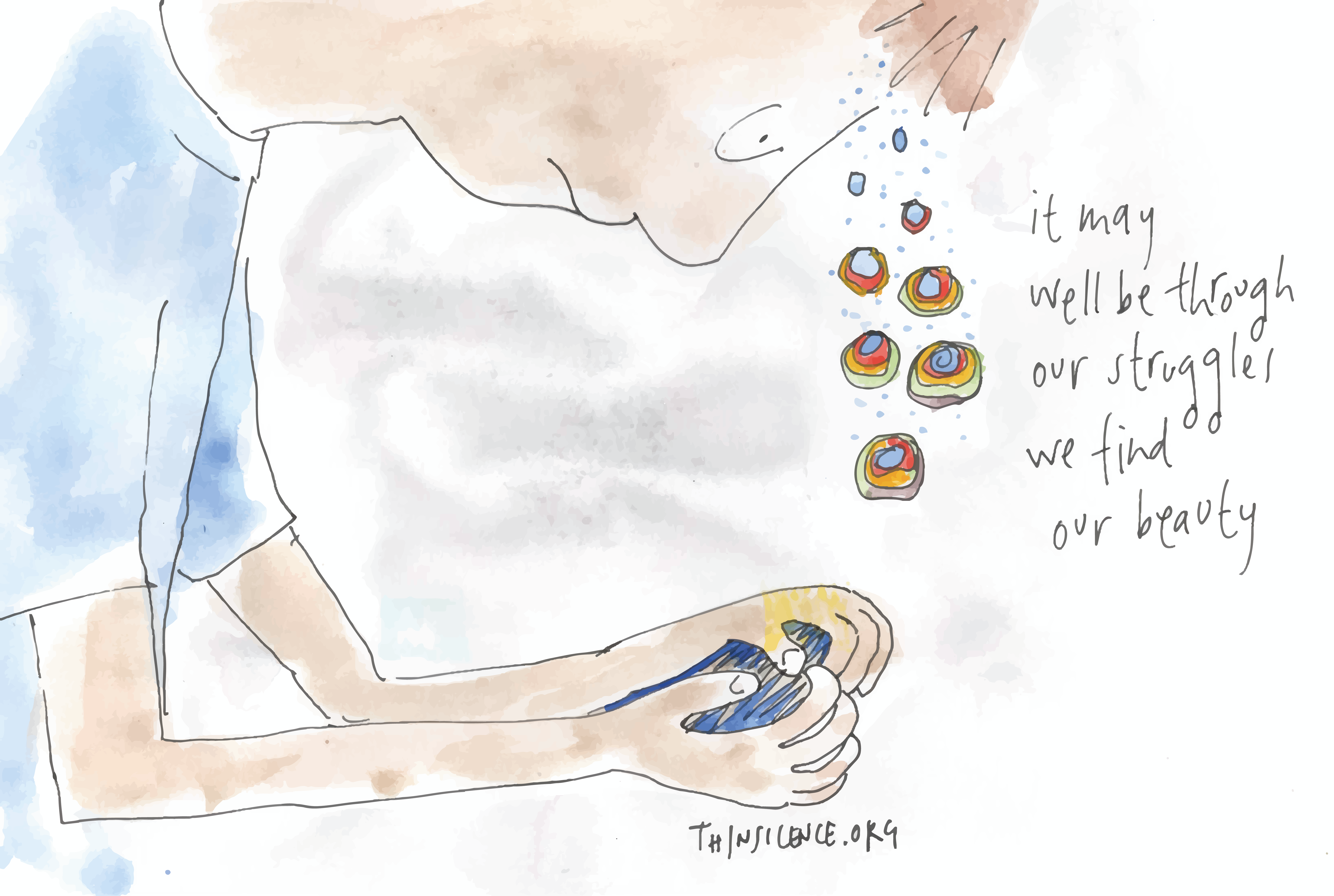
I admit to believing in goodness*

Looking at technology as practice, indeed as formalised practice, has some quite interesting consequences.**
(Ursula Franklin)

The spirit of playful competition is, as a social impulse, older than culture itself and pervades all life like a veritable ferment. […] We have to conclude, therefore, that civilisation is, in its earliest phases, played. It doesn’t not come from play like a babe detaching itself from the womb: it arises in and as play, and never leaves.^
(Johan Huizinga)

I tend to think of technologies as being the things we make but they are, more largely, encompassing all we imagine and then practise.

We share our playfulness with many species but there are things that only humans have brought into being through their developed play.

I’d happened to begin today pondering the difference mercy, grace and justice make in our world, how they are technologies we use, the exploration of which allows us to grow and develop and and inhabit a larger life:

We complete our personality only as we fall into place and service in the vital movement of the society in which we live.^^

The more we engage our imaginations playfully and then make happen what we see in our minds, the more we grow:

After each episode of flow a person becomes more of a unique individual, less predictable, possessed of rarer skills.*^

Rather than thinking of mercy, grace and justice being jobs other people do, instead understanding them to be technologies we playfully live within, what might mercy mean for someone we met, or grace, or justice?

(*From Alex McManus‘ unpublished Blue Moments.)
(**From Ursula Franklin’s The Real World of Technology.)
(^From Johan Huizinga’s Homo Ludens.)
(^^From Eugene Peterson’s Run with the Horses.)
(*^From Mihály Csikszentmihalyi’s Flow.)

Let us serve one another

Service doesn’t sound very glitzy but just about everything humans do can be understood as providing service to one another.

When we are mindful – and heartful – of this, then we can approach greatness.

Service isn’t one size, one shape, one colour. It is as diverse as we are; the highest expression of our lives, it’s where we find meaning – I should say, where we make meaning: an expression of our freedom, mastery and purpose.

Great artists help people to look at their lives with fresh eyes.*
(Austin Kleon)

They are dreamwhisperers who awaken hope. They connect meaning to action. They craft narratives that release human energy. They make new maps that guide us into places where there are no paths.**
(Alex McManus)

Service changes lives, including the lives of those who serve. When we see this impact of what we uniquely do, we can take it from a skill to an art. Service is the surest way to greatness, rather than the fame we may have mistaken it for. Fame requires others to see, greatness only requires the one we serve to be present.

Erwin McManus makes the point that ambition and humility have become separated, but,

What we must do is bring the two universes of ambition and humility together since they were never intended to exist separately.^

Humility is the path to answering the question Who is my true Self? Ambition is the way we walk to hone this into service that is impactful.

There is a title we can wear with joy and pride: Servant.

(*From Austin Kleon’s Keep Going.)
(**From Alex McManus’ Makers of Fire – eBook version.)
(^From Erwin McManus’ The Way of the Warrior.)

The little shop of slowness (established 1959)

boutique/buːˈtiːk/Learn to pronouncenounnoun: boutique; plural noun: boutiques

1. a small shop selling fashionable clothes or accessories.
2. a business or establishment that is small and sophisticated or fashionable.”California’s boutique wineries”

Origin

mid 18th century: from French, ‘small shop’, via Latin from Greek apothēkē ‘storehouse’. Compare with bodega.

There is that in me … I do not know what it is … but I know it is in me.*
(Walt Whitman)

What if there were such a thing as a shop of slowness where time behaves differently? Where the slowness means we hear and see and feel more because there isn’t some distraction or other rushing up to carry us away?

I think this is the kind of shop I am, the boutique I provide: some dreamwhispering, some doodling, and some dawdling.

For more than thirty years I was responsible for “shops” I had not established and that dealt in so many “goods.” I was employed to run something I had no idea how to make.

More lately, I have begun my own little shop, stocking a few crafted items – mostly rarities not found anywhere else.

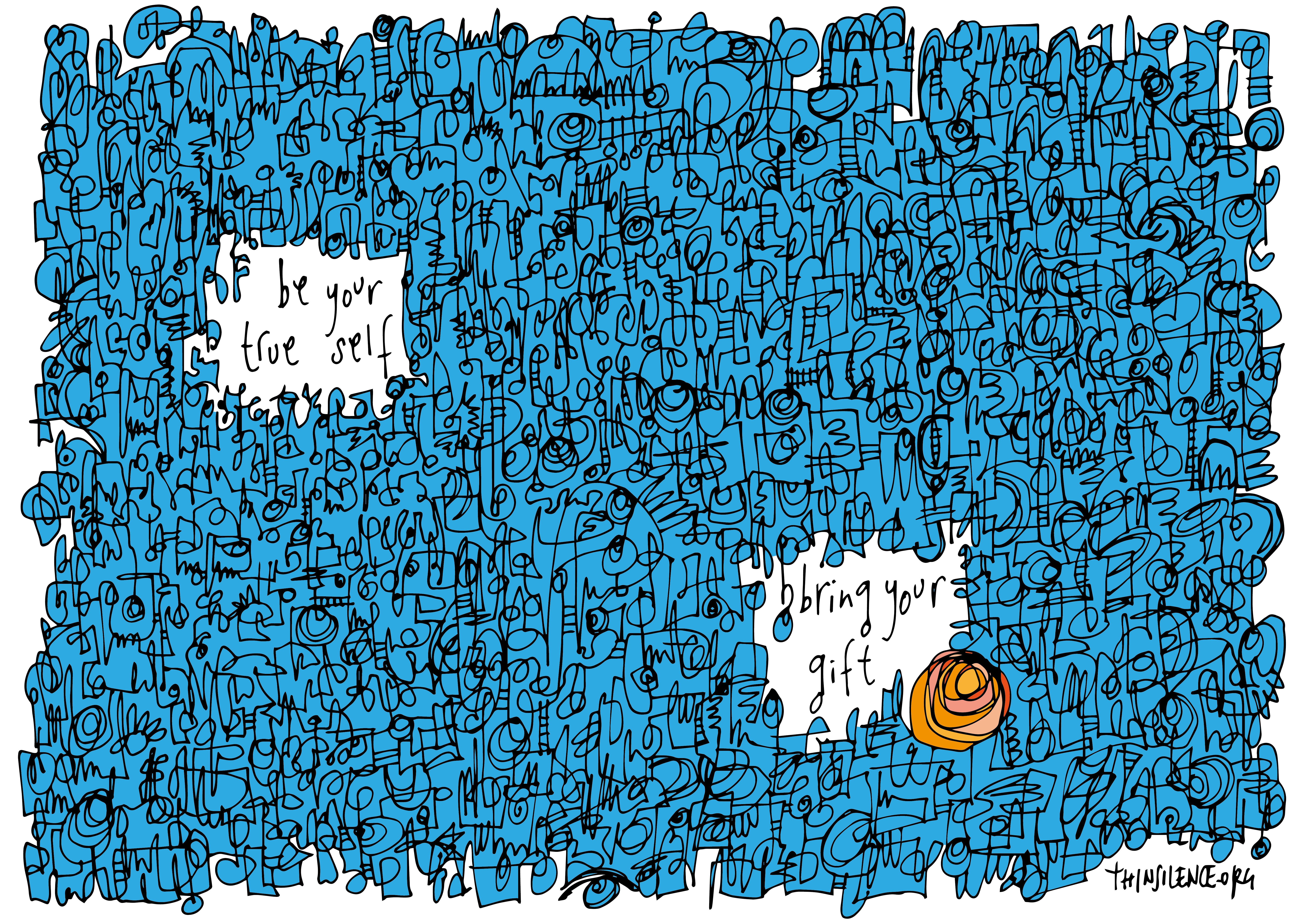
I believe this is how it can be for all of us, each capable of uncovering and developing and offering something that is quite unique.

What kind of shop are you? – even if you’re employed by a bigger “shop” that wants what you do on their “shelves.”

(*From Walt Whitman’s Leaves of Grass.)

Life with limitations

To the warrior, greatness is not the product of ego but of service. If you live for yourself, you can settle for less. If you live for others, it requires all of who you are.*
(Erwin McManus)

Being of any reasonable sort appears to require limitation. Perhaps this is because Being requires Becoming, as well as mere static existence – and to become is to become something more, or at least something different.**
(Jordan Peterson)

Life comes with limitations.

I have often mentioned what I see to be the most critical of these – five elemental truths:

Life is hard
You are not as special as you think
Your life is not about you
You are not in control
You are going to die.

We can take these at face value and hunker down for a life of being who we are.

Or we can use them as they are meant to be used, limitations that help us to become who we can be.

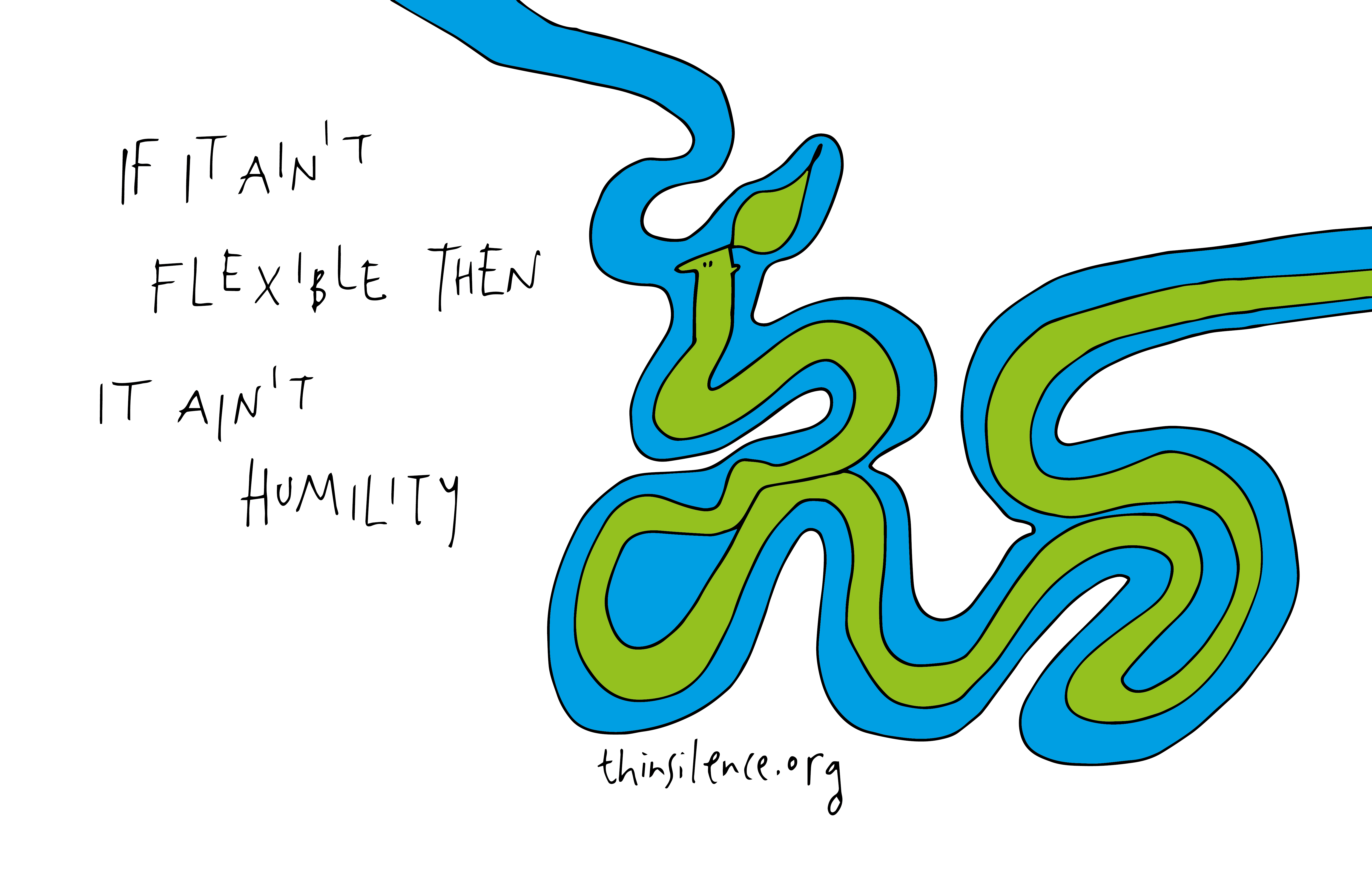
Between our limitations and our dreams lies an adventure for every day:

It remains the dream of every life, to reach out and lift oneself up to greater heights. A life that continues to remain on the safe side of its own habits and repetitions, that never engages with the risk of its own possibility, remains an unlived life.^

(*From Erwin McManus’ The Way of the Warrior.)
(**From Jordan Peterson’s 12 Rules for Life.)
(^From John O’Donohue’s To Bless the Space Between Us.)

Obligation and intention

When you live a life of obligation, it steals from you your strength. Wisdom allows you to harness your strength.*
(Erwin McManus)

One of the sad things today is that so many people are frightened by the wonder of their own presence. […] This identity may be totally at variance with the wild energies that are rising inside their souls. Many of us get very afraid and we compromise. We settle for something safe, rather than engaging the danger and wildness that is in our own hearts.**
(John O’Donohue)

If you have a problem or challenge or situation or opportunity, who do you want to turn up day after day until it’s sorted or met or overcome for realised?

The person who comes out of obligation or the one who turns up with intention?

(*From Erwin McManus’ The Way of the Warrior.)
(**John O’Donohue, quoted in Maria Popova’s Brain Pickings: A Gentle Corrective.)

En route

You’ll happily take the destination but the truth is, the journey is too arduous.*
(Seth Godin)

Some of the Celtic Christian literature that emerged from these centuries took the form of immram, a word which might be translated perhaps as ‘wonder voyage,’ a sea journey to an other-world.**
(Robert Macfarlane)

Every worthwhile destination will require us to make a journey involving risks.

By worthwhile, I mean good and beautiful and true.

You may be the only person to understand why this place and why this journey.

Only you know how it sets your heart beating like wings of a great bird in flight, carrying you towards what you must do, making you who you must be.

It may take years, you may despair of never making it, but you come to understand how the journey is there to teach you, to make you, to bring you people to help, to grow in you what it is you hoped for and set out towards.

I hope for you and wish you well; you are en route.

(*From Seth Godin’s blog: Destinations, risks and journeys.)
(**From Robert Macfarlane’s The Old Ways.)

What does life expect of me?

As a charge of electricity leaps from pole to pole in a magnet, so the spark of life ignites across the gap between self and reality. With this flash of energy, we ignite the power of story.*
(Robert McKee)

As long as one attains redemption only in his self, he cannot do any good or harm to the world; he doesn’t not concern it. Only he that believes in the world achieves contact with it; and if he commits himself he also cannot remain godless.**
(Martin Buber)

I wasn’t going to begin with these quotes, but they caught my eye for what they appear to share about life-in-all-its-fullness being found between the self and the reality of the world.

Here are the quotes I was going to begin with:

The warrior never fights out of anger; they fight only out of honour. They never fight to conquer: they fight only to liberate. The warrior fights against evil so that good may prevail. Wisdom is revealed by what a person fights for. If you fight for yourself, you have given yourself too small a thing. The warrior fights against injustice, against poverty, against despair, against depression.^
(Erwin McManus)

Everything depends on the individual human being, regardless of the number of like-minded people there is, and everything depends on each person, through action and not mere words, creatively making the meaning of life a reality in his or her own being.^^
(Viktor Frankl)

Evil manifests itself in many forms and places. Erwin McManus remarks on how wisdom is revealed when we fight for something: wisdom is life-in-all-its-fullness, not only what we know and what we feel, but what we do.

There will be something life is calling you to; this makes sense of what Viktor Frankl is reflecting on soon after surviving the Nazi work and death camps:

the question can no longer be What can I expect from life? but can only be What does life expect of me? What task in life is waiting for me?^^

We are noticing life’s greatest need calling to our deepest joy, the thing we have been preparing ourselves to make a difference in.

This is different for each of us, but I believe in the self-organising nature of life, that if we identify what matters most of all to us and action it, the world will change.

What’s yours, the meaningful thing that will bring you joy, that sparks into life between your imagination and reality?

For me, it is that people are far more than they know, but, too often, they believe the voices that tell them they have nothing to give, or they can only be this or that but no more.

It’s why I want to help people to explore more of who they are through my Go Live Your Strengths project; get in touch to find out more.

(*From Robert McKee‘s newsletter: What is the Substance of a Story?)
(**From Martin Buber’s I and Thou.)
(^From Erwin McManus’ The Way of the Warrior.)
(^^Viktor Frankl, quoted in Maria Popova’s Brain Pickings: Yes to Life, In Spite of Everything.)

Before books, we had people

People think they think, but it’s not true. It’s mostly self-criticism that passes for thinking True thinking is rare – just like true listening. Thinking is listening to yourself. It’s difficult. To think, you have to be at least two people at the same time. Then you have to let those people disagree. Thinking is an internal dialogue between two or more different views of the world.*
(Jordan Peterson)

Reading is an act of contemplation, perhaps the only act in which we allow ourselves to merge with the consciousness of another human being.**
(David Ulin)

I am listening to you
share your story,
as you hear it in a new way,
making new discoveries,
new connections,
new possibilities.

Deep listening
making it possible
for us to meet
in new ways:
meeting our self,
meeting each other.

(*From Jordan Peterson’s 12 Rules for Life.)
(**From David Ulin’s The Lost Art of Reading.)

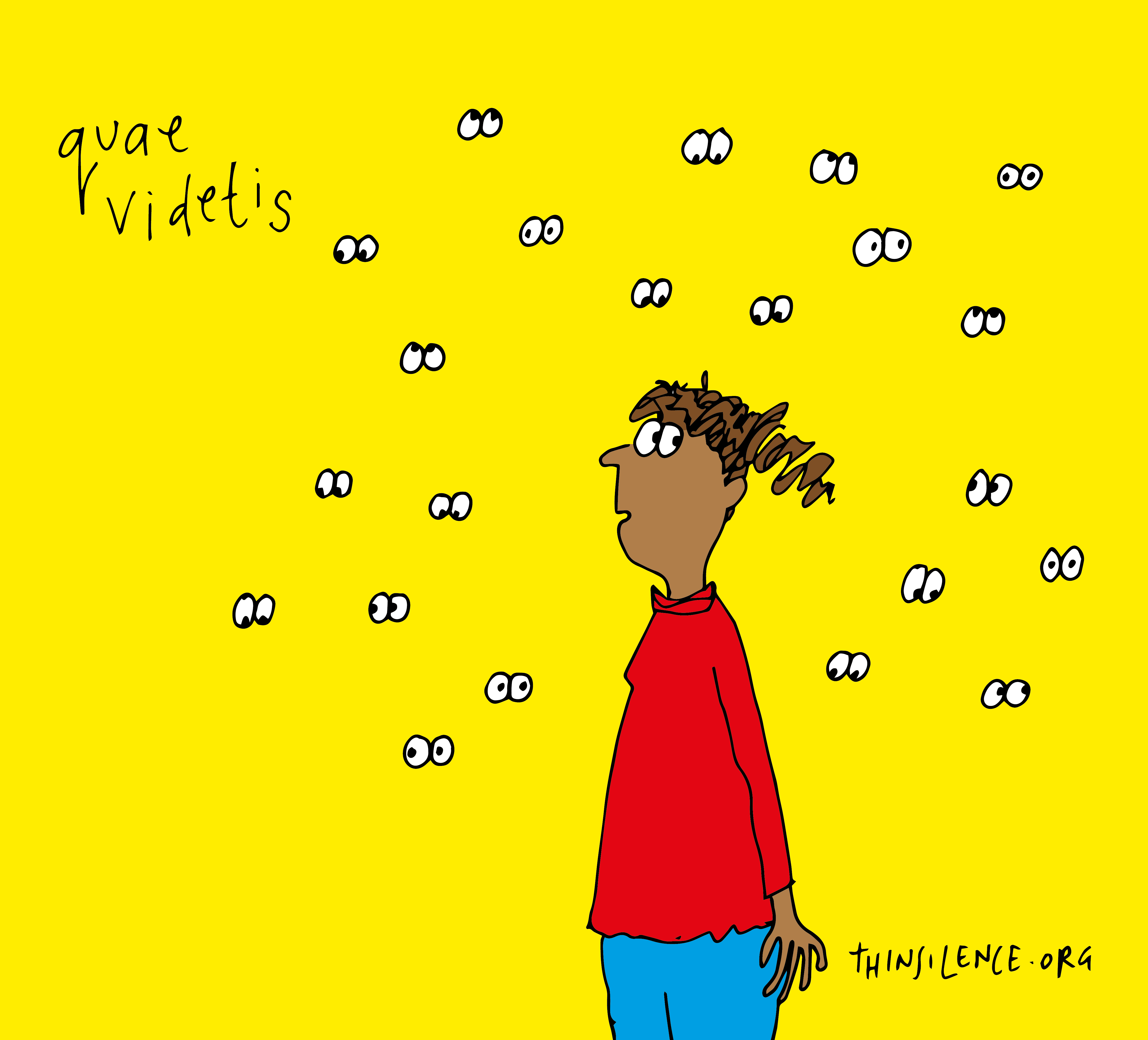
Seeing is forgetting the name of the thing one sees*

Here is my secret. It’s quite simple: One sees clearly only with the heart. Anything essential is invisible to the eyes.**
(The Little Prince)

The quick pulse,
The long look,
The one natural law.^

(Rebecca Elson)

I look
but do not see,
I look again
and hardly see
I look once more
and am astonished at
all the heart can see.

To see
Takes such effort.

(*The title of a book by Lawrence Weschler which made me think of seeing beneath the surface and beyond the name or label of something or someone.)
**The Little Prince, quoted in Austin Kleon’s blog: How to draw what is invisible.)
(^From Rebecca Elson’s A Responsibility to Awe: Constellations.)

Why I believe in conversation

There’s nothing quite like a conversation in which the participants turn their listening into hearing, allowing new thoughts and ideas to be generated and new possibilities to be revealed.

I didn’t know at the beginning of this day that I would find myself in several of these.

Not bad; not bad at all.