BASICS are the beginning. REPEAT yourself often. AVOID creating desperation. INSPIRE with examples. NEVER forget to repeat yourself.* (John Maeda)
Many give up on learning and go into I’m-not-interested-in-what-you-have-to-say-but-I-want-to-tell-you-what-I-think mode.
Teaching is learning, of course, and teachers are learners first of all.
John Maeda outlines the things he remembers in order to draw people into learning: always be a learner in order to do justice to the basics, embrace the need to repeat so everyone gets it, don’t show off and make what you know unlearnable, trigger the the learner’s internal motivation, and if it’s worth saying it’s worth saying again.
I’ve been trying all my life to find what my limits are and I have never reached them yet. But then the universe doesn’t really help, it keeps expanding and won’t allow me to know it entirely.* (J)
You can’t just be you. You have to double yourself. You have to read books on subjects you know nothing about. You have to travel to places you never thought of traveling. You have to meet every kind of person and endlessly stretch what you know.** (Mary Wells)
Our lives are a process of constant discovery and invention. Each of us lives a unique human life.* (Bill Sharpe)
Stories that have the enduring strength of myths reach through experience to touch the genius in each of us.** (James Carse)
Myths pierce the explanations we give to our experiences, reaching to connect with the truth and wonder of who we are and what we can do lying deep within each of us. They have been told throughout the centuries in all shapes and forms around the globe in countless cultures and societies exploring what it is to be human. In other words, they help us to see there is more to us than meets the eye.
Too quickly, we compare ourselves with others, focusing on our limitations, but these are exactly what matter most, how we bring our particular thoughts and talents to play on the world as it is:
This is the pleasure of limits, the fun of play. Not doing what we want, but doing what we can with what is given.^
This kind of play respects the other, allows it to be what it is through openness rather than judgement. We are not in control but caught up in interactive, generative play:
If we write this down, as in journaling, we find ourselves creating a narrative that we can reflect upon and develop. Play is how we make more from less – with who we are and what we have, and between ourselves and the other.
It’s good to want to be successful, and do whatever it takes. But even better, is to be a complete human being. And that’s much harder than being a workaholic.* (Hugh Macleod)
When we create something with practical elegance, we are investing time and energy in a user experience that satisfies the user more than it helps the bottom line of the company that made it. […] When a designer combines functionality with delight, we’re drawn to whatever she’s produced. That’s the elegance we’re searching for in our built world. […] As soon as a product or system creator starts acting like the user has no choice, elegance begins to disappear.** (Seth Godin)
My hope is to live both a practical and an elegant life.
The other day I shared these words from Eugene Peterson:
As the scholastics used to say: ‘Homo non proprie humanus sed superhumanus est‘ –which means that to be properly human, you must go beyond being merely human.^
I like Peterson’s gentle and kind way of reflecting on how we can be human.
There is no one way to be properly human – this is the adventure that is open to all of us to explore in our own ways.
We may begin with the question, What does it mean to you to be human?
My response to this question is: to live with creativity, generosity and enjoyment.
This question is a starting point only, hopefully leading us into our values, talents and life experiences, sports that we might explore these as gateways into more: options, possibilities and choices – life that is not only practical, but elegant, too.
Live as if you were to die tomorrow. Learn as if you were to live forever.* (Mohandas Gandhi)
We have unlearned the patience and attention of lingering at the thresholds where the unknown awaits us.** (John O’Donohue)
Hungry?
Beyond everyday appetites, do you find yourself discontented and dissatisfied, but not sure what it will take to sate these feelings?
We’re often find ourselves in a rush, and rush blurs much of what is happening both around and within us. We’re possibly unable to articulate exactly what we feel, we only know something is amiss.
Richard Rohr, identifies these feelings as good things, perhaps a little unexpected coming from a Franciscan friar:
It’s a kind of sacred discontent, a holy dissatisfaction, and a holy desire for more life, love, and generativity.^
Rohr intimates this more is not only about receiving, but also giving – giving I believe to be bespoke to each of us.
We can try and satisfy these felt needs with all kinds of things, only to be disappointed.
We need bigger stories.
James Carse writes of myths:
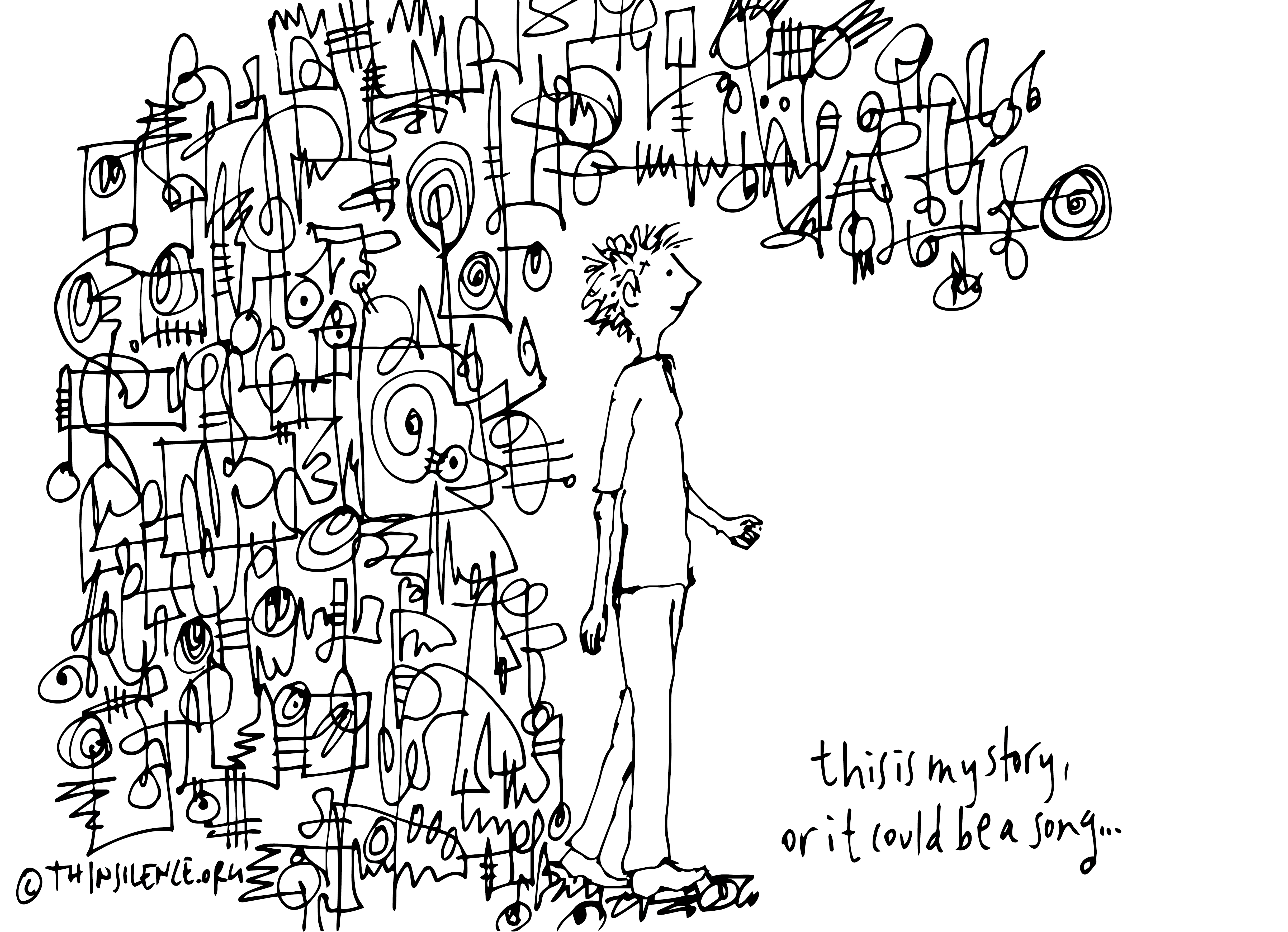
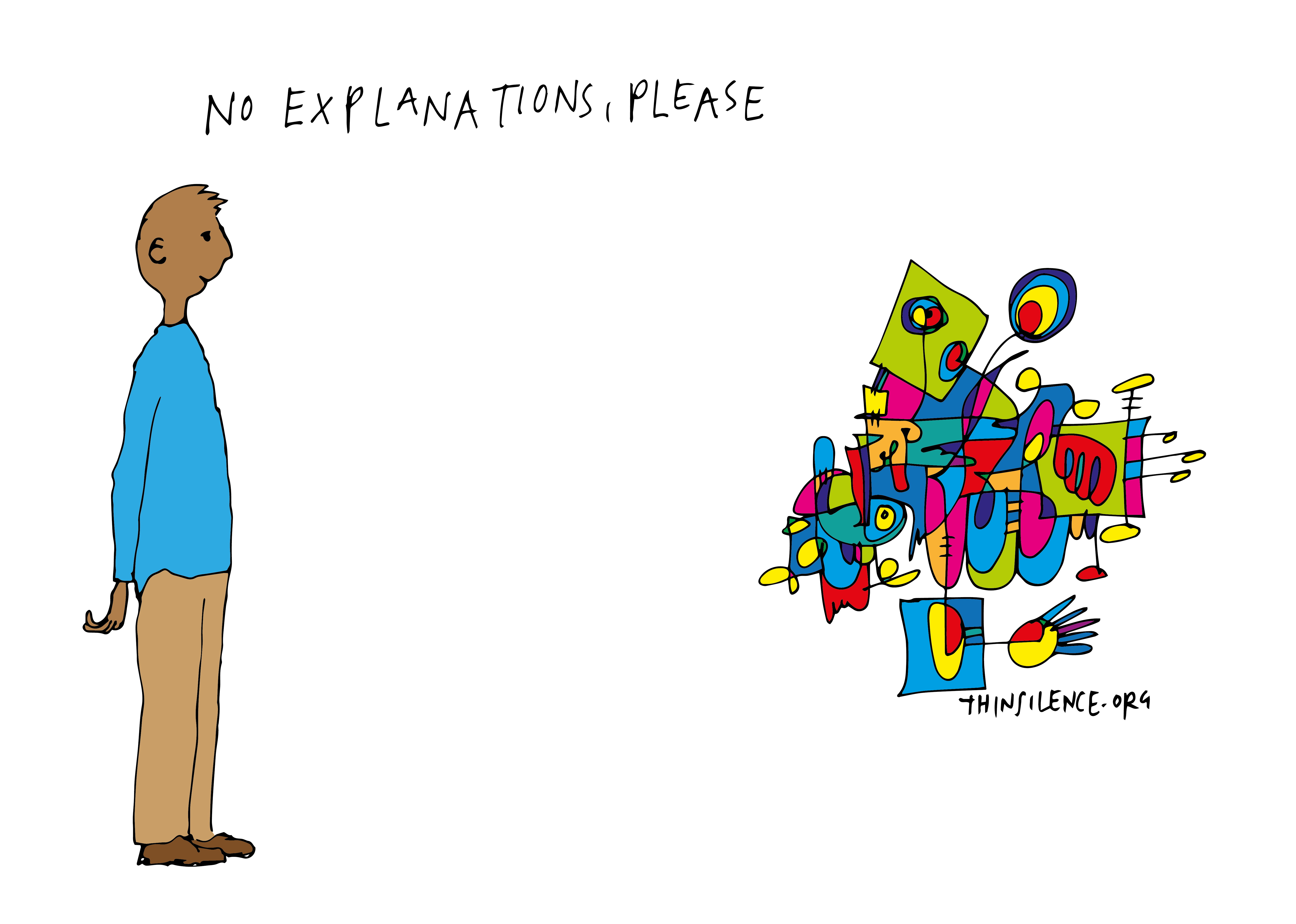
Myth provokes explanation but accepts none of it. Where explanation absorbs the unspeakable into the speakable, myth reintroduces the silence that makes original discourse possible.^^
I understand Carse to be saying, whilst myth provokes understanding and meaning, it will not allow us to declare “this is it,” but holds us before the oh-so-large wonder and mystery of unknown depths until something new and unexpected arises.
I came across some words from my friend Dan concerning a venture we were engaged in together some years ago – a bigger story that, in truth, we had no idea where it was leading:
VOX is scary, and we have to keep doing the scary stuff, else we’ll just keep doing the same stuff and not very well.*^
How do we enter more?
The way in is as close as our lives. In attending to what they’re whispering to us, the will be shown the way.
Why is it possible to learn more in ten minutes about the Crab Nebula in Taurus, which is 6,000 light years away, than you presently know about yourself, even though you’ve been stuck with yourself all your life?* (Walker Percy)
Find out who you are and do it on purpose.** (Dolly Parton)
I’m good at some things but there are many things I’m not very good at. One way in which I can understand my developed talents is as limitation, but it is from my limitation that creativity emerges – through accepting and working with these limitations I am able to manipulate the limitations in the world around me when I accept them for what they are.
It is the same for each of us.
When we embrace this, we stop wishing we could do this or that, or only had this or that, we are able to begin:
[Johan Huizinga is] suggesting that anything whatsoever can be constrained as a ground for play, where play becomes possible once the materials at hand are taken seriously and manipulated with deliberateness.^
Between the limitations within and the limitations without there emerges creativity.
We have to keep finding out who we are, though, if we are to do it on purpose – we’re ongoing explorations.
This involves me in a journey from the middle of my life (I-in-me) to the edge where I can see a bigger world including a bigger way of seeing myself (I-in-it); this world includes people who are different to me in their thinking, feeling and acting, who help me see who they are and who I am differently (I-in-us).
When we combine our different limitations the world changes – or perhaps can be seen for what it has always been:
Life is always a configuration of abundance, even as individual lives might experience scarcity.^^
What an adventure to be involved in; let me know ifI can help.
Alas for those that never sing But die with all their music in them.^*
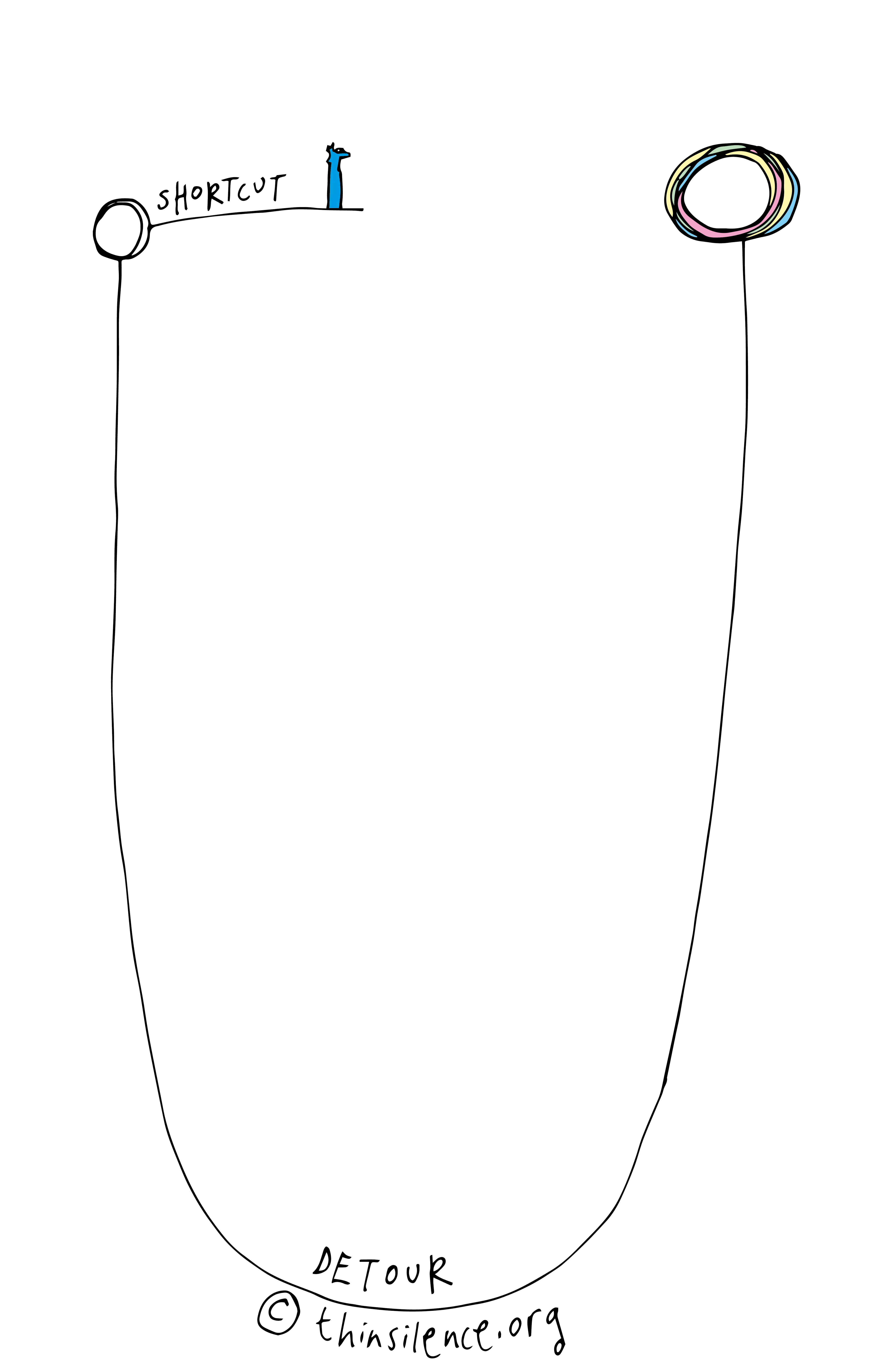
If you’re simply following [shortcuts] you probably won’t get anywhere interesting. It’s the detours that pay off.* (Seth Godin)
As the scholastics used to say: ‘Homo non proprie humanus sed superhumanus est‘ –which means that to be properly human, you must go beyond being merely human.** (Eugene Peterson)
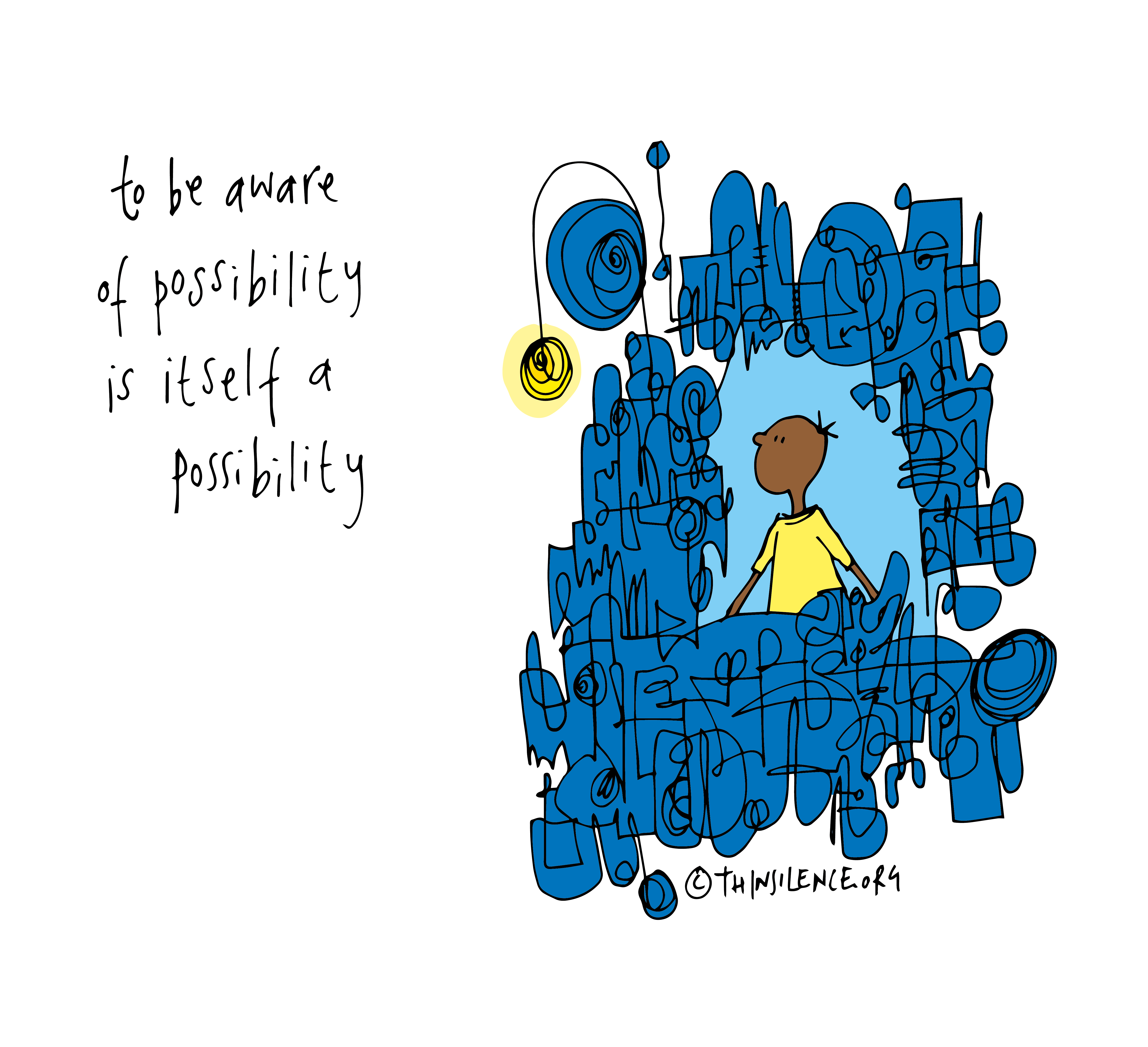
Good choices open up possibilities, bad choices close them down.
Great choices make it possible for us to take the detour from being merely human to be properly human – something that will look different for each of us whilst being something we have in common.
Some of the very involve choosing humility, gratitude and faithfulness.
These open up integrity, (connectedness), wholeness (enoughness) and perseverance.
The real shortcuts are those that take a while to get to somewhere significant.
It is a constant effort and hard work – an inexplicably life-affirming – to honour who you are what you believe, and why you are here.* (Elle Luna)
Erich Fromm redefines resurrection so that we might also experience it in the everyday:
Man and society are resurrected every moment in the act of hope and of faith in the here and now; every act of love, of awareness, of compassion is resurrection; every act of sloth, of greed, of selfishness is death.^
I don’t know about you, but there are many things that don’t quite go as I imagined or planned, so the thought that today comes with the possibility of something being moved from death to resurrection is one that I want to grasp, understanding that it will also take effort and hard work.
Fun will require his to see the hidden potential in ordinary things so that we can put them to new uses. The defamiliarisation common to art offers another example of distinction between use and potential.* (Ian Bogost)
The future is already here, just unevenly distributed.** (Graham Leicester)
We hear a lot of about abundance from our schools and businesses, from our politicians, and yet the industrial system they maintain appears, on closer observation, looks to be more about scarcity.
All those children who struggle with the education system as it is, ending up in jobs that are more about turning up and functioning than celebrating and developing skills.
We all have more to be and give than we know.
I don’t bring anything revolutionary, only that we all have a must we can find, which we can live out in some way. Perhaps as an amateur or a side-job, if not a career or vocation. All I know is, if we find what it is, it will lead us to somewhere else and then to somewhere else again.
How do we become people who must? Keri Smith’s description of wanderers helps us to see how we can begin the journey to finding and developing our must:
Qualities of great wanderers: curious, inquisitive, nonconformist, rebellious, daring, revolutionary, inventive, visionary, self-sufficient.^
May we follow our curiosity, ask questions, be transformative, identify other paths, experiment, find a tribe, keep iterating, look ahead, and not wait to be called.
Play is not an alternative to or a respite from work, but the process through which work is done – including the work of play in the sense of leisure and release. […] Thinking worldfully, it is better to think of play as a condition of the universe rather than a human activity – everything is “at play.”* (Ian Bogost)
Those who experience do not participate in the world. For the experience is “in them” and not between then and the world.** (Martin Buber)
If we’re charged with playing at something the insinuation is that we are not working, that we’re not committing.
Yet play is how we must describe what we enter into when we take our engagement with something or someone to a deeper, more invested place.
Play is how we must engage with the world if we are not to demean or disrespect it by attempting to take it into our knowing rather than allowing it to be what it is.
From I-in-me, I move to I-in-it, opening the possibility of I-in-us and even I-in-now when something new is generated:^
The revolutionary force in this century is the awakening of a deep generative human capacity – the I-in-now.^







You must be logged in to post a comment.