Add beauty

The human soul is hungry for beauty: we seek it everywhere – in landscape, music, art, clothes, furniture, gardening, companionship, love, religion and in ourselves.  No one would desire not to be beautiful.  When we experience the beautiful there is a sense of homecoming.*
(John O’Donohue)

An individual who has become a person has staged a rebellion. She rebels against the individualistic ethos and all the systems of impersonalism.**
(David Brooks)

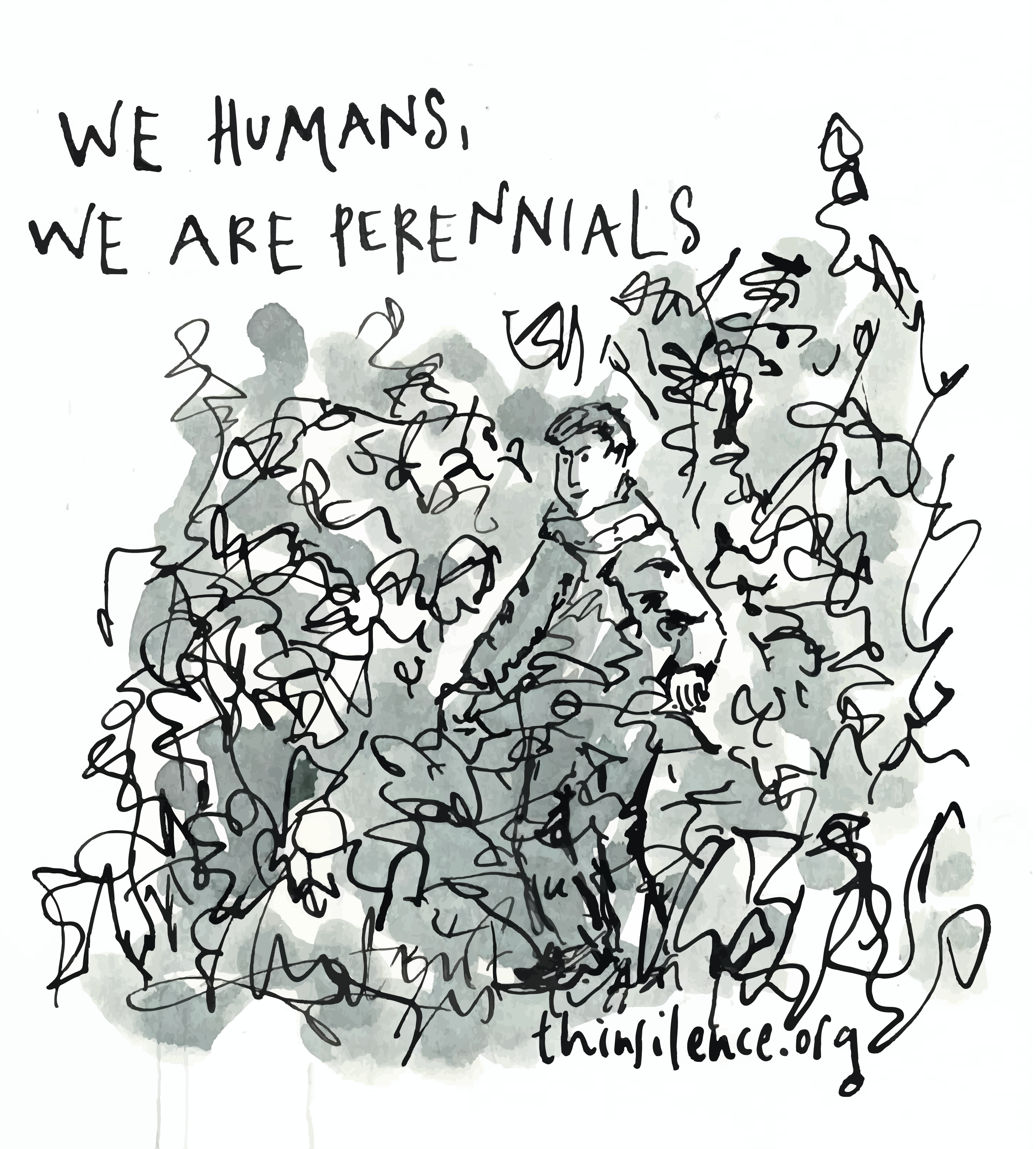
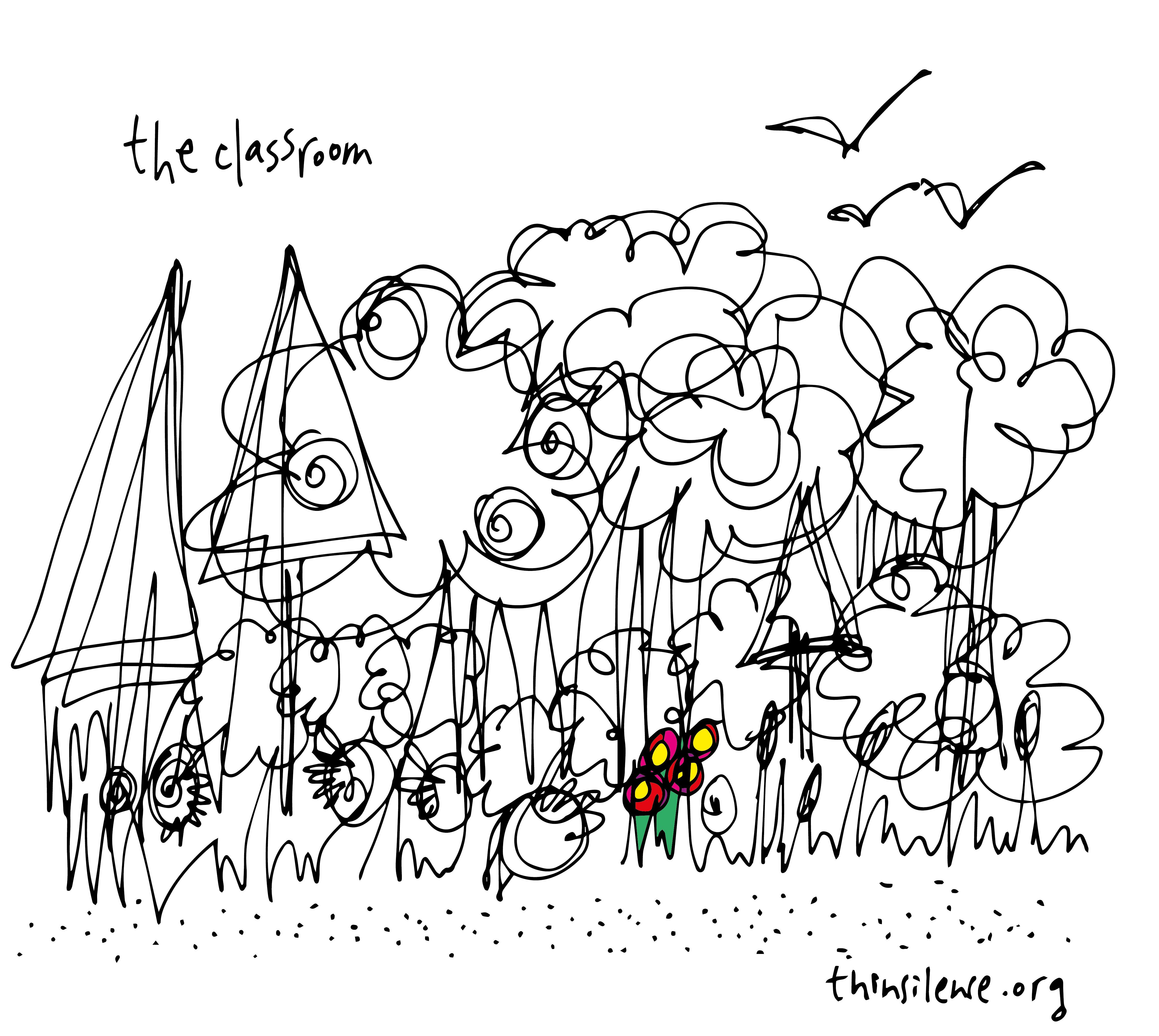
Perhaps beauty becomes possible when we rebel against all that disconnects us from each other, our world, and from ourselves. Beauty, then, is found in connection – wherever, whatever, whoever. And everyone has a capacity for beauty.

(*From John O’Donohue’s Divine Beauty.)
(**From David Brooks’ The Second Mountain.)

Looking for the hidden

Finding something can mean “rescuing it from oblivion,” he mused, which is a “kind of noble act. […] You’ll never know unless you take a look.”*
(Rob Walker and Davy Rothbart)

When you get past making labels for things, it is possible to combine and transform elements into new things. Look at the thing util their import, identity, are, use, and description have dissolved.**
(Corita Kent)

Davy Rothbart may be referring to the detritus others pass by and Corita Kent pondering what lies beneath the labels we give things but their words work even better for people. Finding the hidden treasure that exist in all people. Treasure they may not even know exists themselves.

It’s hard to look beyond old labels and descriptions, but once we do and discover what has been hidden and unknown, we also find persons of new possibility.

(*Davy Rothbart, quoted in Rob Walker’s The Art of Noticing.)
(**From Corita Kent and Jan Snowden’s Learning by Heart.)

The art that helps us see further

Devorah teaches philosophy at London University and is a follower of Spinoza. I asked if she would sit for me so that I might draw her. I’ve never been drawn! she replied. And then she started talking , questioning, wondering, and I drew her.*
(John Berger)

You don’t climb up to your True Self. You fall into it, so don’t avoid all falling.**
(Richard Rohr)

I’ve been reading through accounts of scientists working on challenges they may never see the results of in their lifetime. This kind of commitment comes from a deeper place than the mind; it comes from hearts and souls.

We must find the thing that gives us such joy, that extends the reach of your lives, helping us to see ourselves ad our work differently. Rainer Maria Rilke writes,

Art always promises the most distant and then even more remote future, and for this reason the crowd that passionately reaches for the nearest future will always be of an iconoclastic bent.^

I found myself wondering whether Devorah began to see herself differently when drawn by artist John Berger.

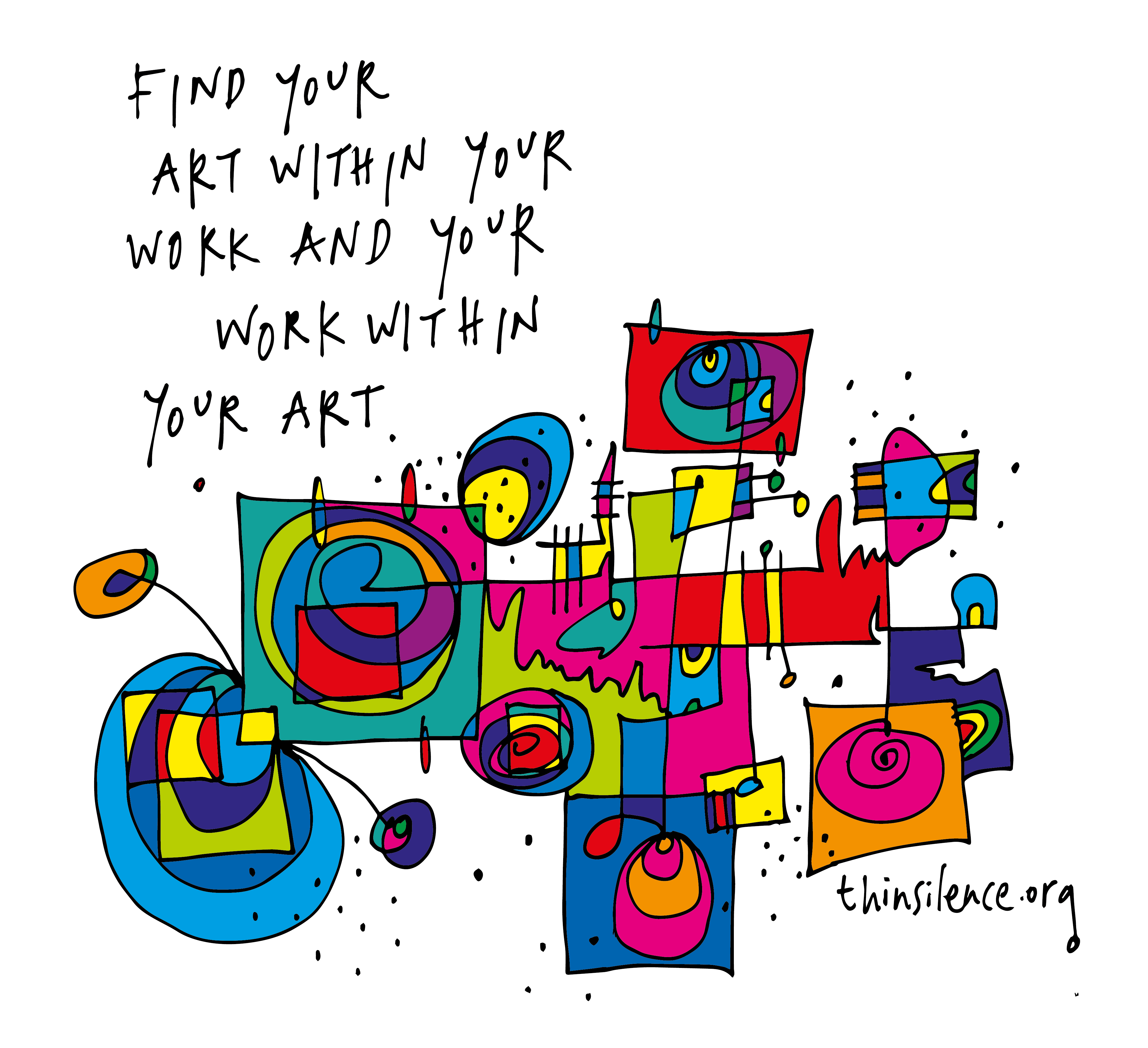
I wonder how identifying our art helps us to see ourselves differently, together with the work that we must do.

(*From John Berger’s Bento’s Sketchbook.)
(**From Richard Rohr’s Immortal Diamond.)
(^From Rainer Maria Rilke’s Letters on Life.)

Never quite getting there

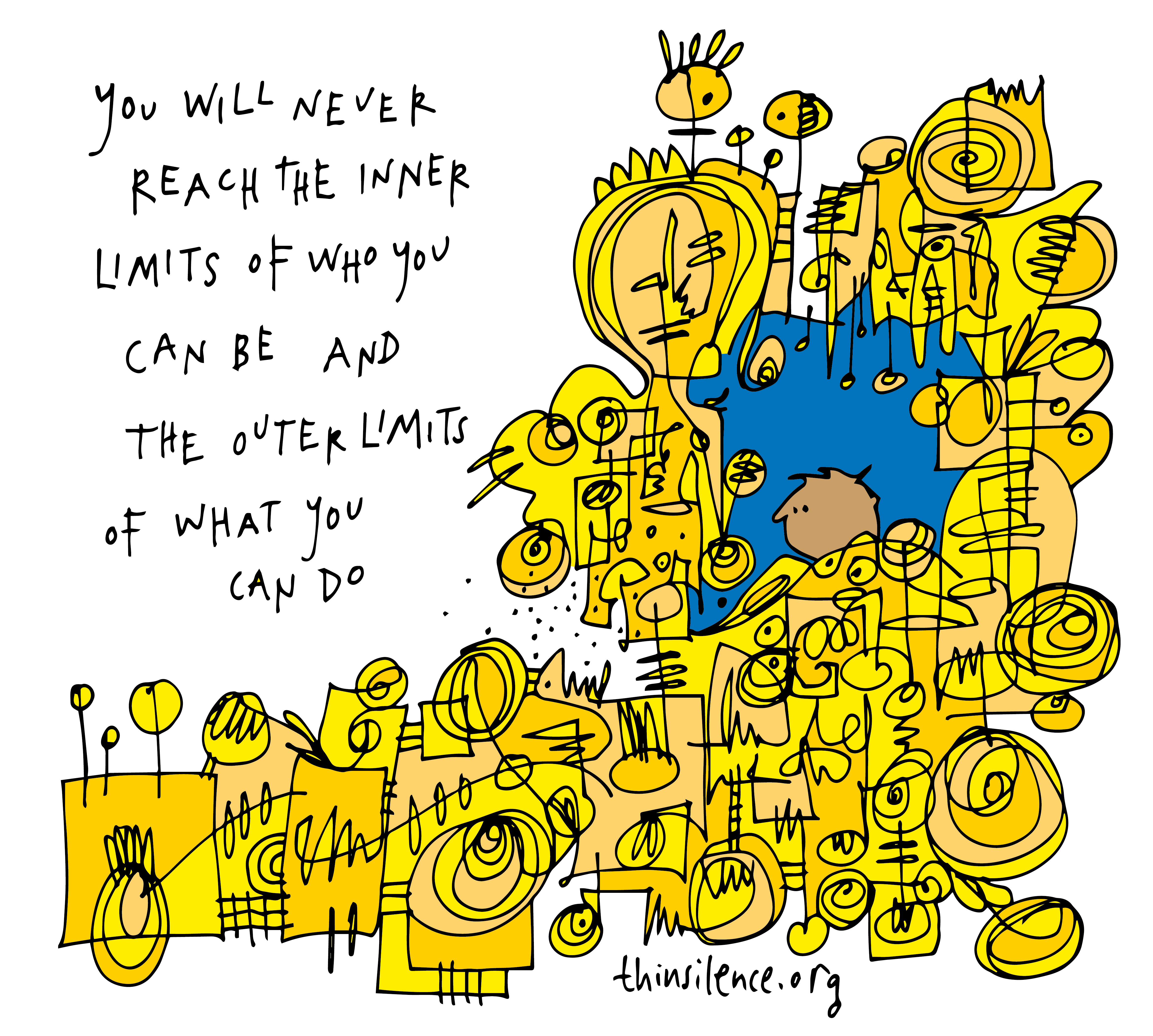
The secret of life is to have a task, something you devote your entire life to, something you bring everything to, every minute of every day for the rest of your life. And the most important thing is, it must be something you cannot possibly do.*
(Henry Moore)

This is the real artistic secret of the master, that he erases material with form […].**
(Friedrich Schiller)

We are creatures who turn this into that.

Each one on a different teleological journey, shifting and stretching.

Beyond each horizon …

another horizon.

So we grow so that we find that,

All you have is what you are and what you give.^

And this is enough.

(*Henry Moore, quoted in David Brooks’ The Second Mountain.)
(**From Friedrich Schiller’s On The Aesthetic Education of Man.)
(^”Shevek” in Maria Popova’s Brain Pickings: Ursula K. Le Guin on Suffering and Getting to the Other Side of Pain.)

Nurture adventure

At first glance nothing seems to be more contradictory than the tendencies of these two impulses, the one striving for change, and the other for immutability.*
(Friedrich Schiller)

We need both journeys: the outward into exploration and adventure, the inward into reflection and nurture. The both/and is where we find the strongest evidence of life.

(*From Friedrich Schiller’s On the Aesthetic Education of Man.)

The scalability of service

Our teacher, Tony, […] says that most of the time, without having any choice in the matter, we are dominated by our ego, or, as it is termed in Sanskrit, our ātman.*
(Alain de Botton)

Without generalisations, it’s almost impossible to begin to serve people. And there lies the trap. If we stick with them too long, or insist that they are absolute, or fail to seek out the exceptions that all generalisations have, then we end up excluding or ignoring people who need to be seen. Which betrays all the work we set out to do. We begin with a market or an audience, but we ultimately serve the individual.**
(Seth Godin)

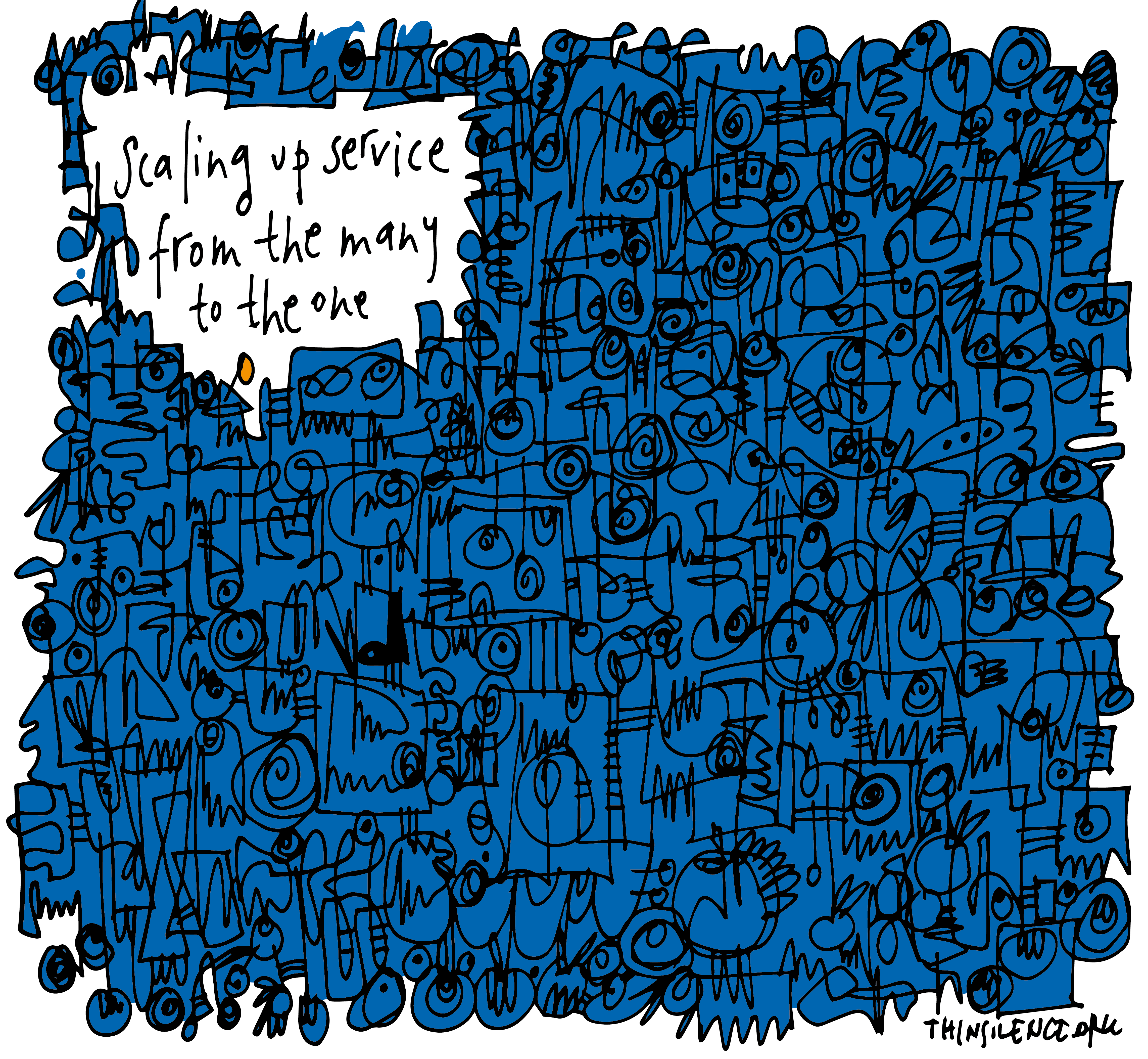
The scalability of servanthood is from generally serving everyone to specifically noticing and serving the one.

This throws up another issue. Serving the one may mean we don’t get noticed by the many.

I just need to check if we’re okay with this?

(*From Alain de Botton’s Religion for Atheists.)
(**From Seth Godin’s blog: Generalisations work (until they don’t).)

Instructions inside

This is why I long so impatiently to get to work, to begin my workday, because life can become art only once it has become work.*
(Rainer Maria Rilke)

But originally, “amateur,” from the Latin amare, “to live,” referred to a person who loved what he was doing. Similarly “dilettante,” from the Latin delectare, was someone who enjoyed a given activity.**
(Mihaly Csikszentmihalyi)

What if our joy and our work could be closer together?

We begin exploring by considering what we are doing each day.

Corita Kent writes,

The root meaning of the word art is to fit together and we all do this every day.^

We mustn’t assume we’re in the right place. Kent continues:

One of the most important parts of growing up is to see ourselves as we really are instead of assuming we are what our parent sand teachers told us we were.^

Do you know yourself, your values, talents, your most energising activities? Mihaly Csikszentmihalyi suggests:

Whether a job has variety or not ultimately depends on a person’s approach to it than on actual working conditions.**

Your values, talents and energies can be understood to comprise your “approach.” Set these free and the variety and the possibility within your present work may well appear. You may appreciate what Rainer Maria Rilke means when he says he cannot wait to get to work for there is his art.

If you have done all of these things and you haven’t found your joy and work to be close then you may want to take a closer look at what your approach is telling you about what to do next.

(*From Rainer Maria Rile’s Letters on Life.)
(**From Mihaly Csikszentmihalyi’s Flow.)
(^From Corita Kent and Jan Snowden’s Learning by Heart.)

Take your time, grow slowly

I have been reading Janine Benyus’ account of experiments in growing native perennial grasses and legumes in order to identify polycultures for sustainable food production on the North American Prairies, responding to four critical questions:

Can a perennial produce as much seed as an annual crop?
Can the polyculture yields stay even with or actually overyield those of monocultures?
Can the polyculture defend itself against insects, pests, and weeds?
Can the polyculture sponsor its own nitrogen fertility?*

Exploring mixes of perennials found that some worked and some didn’t, that others worked in the beginning and then struggled but were still important to development of the polyculture.

By the way, the results are promising, though they take time, sometimes decades of figuring out, yet it is critical work for sustainable farming in the future that will see us using less, if any, oil-based fertilisers and pesticides. Nature has a way of finding its own.

So I tried a different kind of polyculture, throwing together a number of texts that would not normally reside close to one another, just to see what happened. These are the ones that “survived”: the first from David Brooks, the second from Benyus, the third from Seth Godin, and the fourth from Joseph Campbell:

There’s always something in every community out of joint, corrupted and unjust in some way. People in community live at the crossroads where their pride of place and anger at injustice meet.**

In other words, having a history is what makes a community last.*

But there isn’t a guarantee. In fact, most of what we seek to do will not work. But our intent – the tent of being off service, of making things better, of building something that matters – is an essential part of the pattern.^

What is it we are questing for? It is the fulfilment of that which is potential in each of us. Questing for it is not an ego trip; it is an adventure to bring into fulfilment your gift to the world, which is your self.^^

What I take from these is that, whether we are thinking of people “planted” together or perennials on the prairie, history matters, and history doesn’t happen quickly. There’s also a lot of messiness and failure involved, but our intent will carry us forward. It is an adventure, though, that isn’t over by the end of the week, but can take a lifetime in making.

Nature teaches us and encourages us in many things.

(*From Janine Benyus’ Biomimicry.)
(**From David Brooks’ The Second Mountain.)
(^From Seth Godin’s The Practice.)
(^From Joseph Campbell’s The Hero’s Journey.)

We are nature

Aum is the sound nature makes when it’s in harmony with itself.*
(Carl Jung)

There exists a sweet spot between chaos and order, gas and crystal, wild and tame.**
(Janine Benyus)

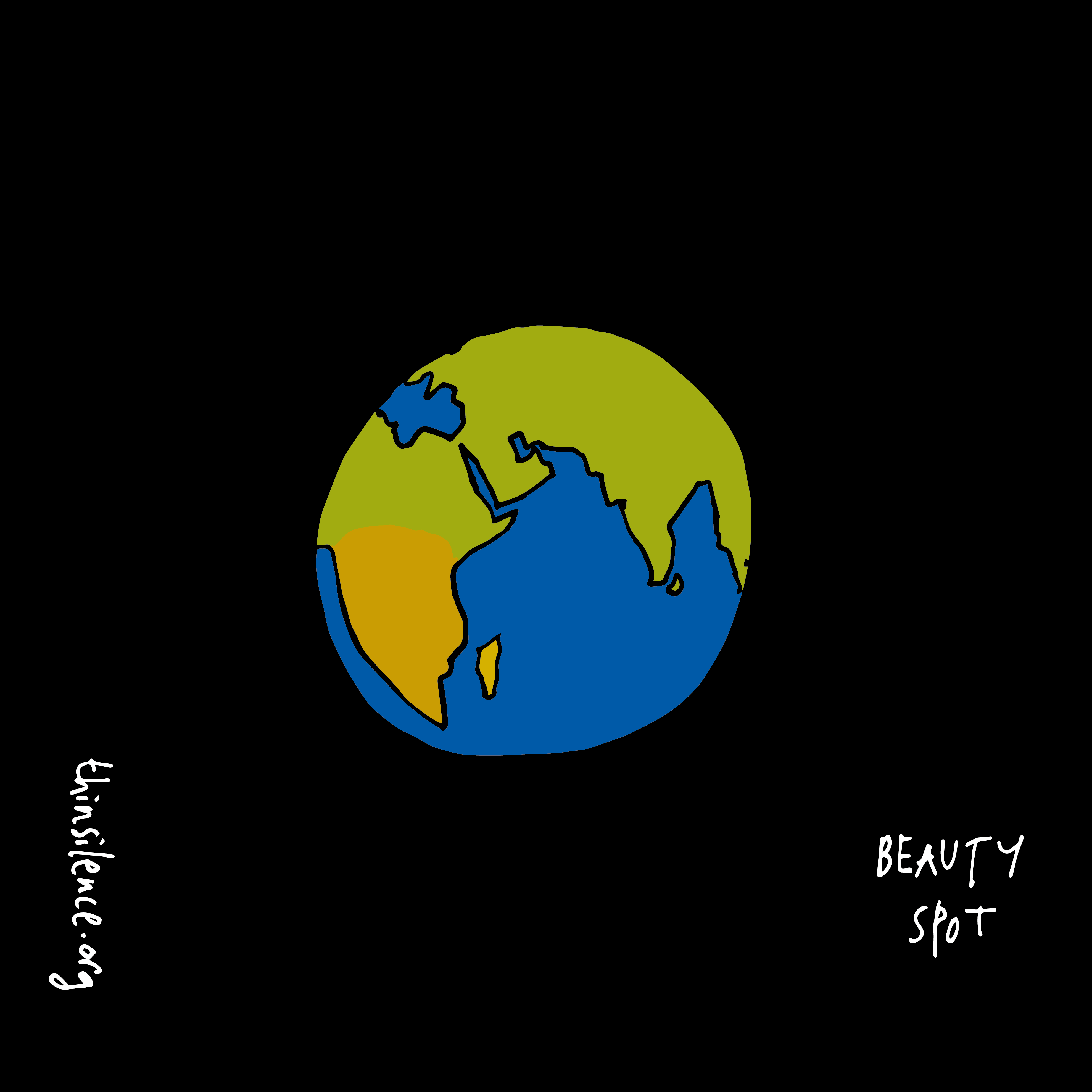
Nature teaches its own and we are nature.

As Janine Benyus reflects on how species of plants thrive:

natives are tuned through evolution to sing in harmony with the melody of local conditions**.

Another lesson for us to learn.

(*Carl Jung, quoted in Joseph Campbell’s The Hero’s Journey.)
(**From Janine Benyus’ Biomimicry.)

We as me

Most of us hew to a code of privacy that leads us to not know our neighbours. Most of us live with technology that aims to reduce the friction in any encounter and you get used to ta that mode of living. But community life – care for one another – is built on friction, on sticky and inefficient relationships.*
(David Brooks)

It’s possible to use the status hierarchy as a sort of fuel, a way to motivate yourself to push a little harder. But it is also possible, and far more resilient, to use connection and possibility as fuel as well.**
(Seth Godin)

Here are a few thoughts I’m playing with.

The dependent self is No Self:

“Connais-toi pour t’améliorer” (“Know yourself to improve yourself”).^

The independent self is Ego Self, something that get started on being someone different to your parents of guardians, but can can lead to False Self, if not helped to let go of the unhealthy beliefs through the five elemental truths:

Life is hard;
You are not as special as you think;
Your life is not about you;
You are not in control;
You are going to die.
^^

If this doesn’t happen, then,

After you have spent many years laboriously building this separate self, with all its labels and preoccupations, you are very attached to it.*^

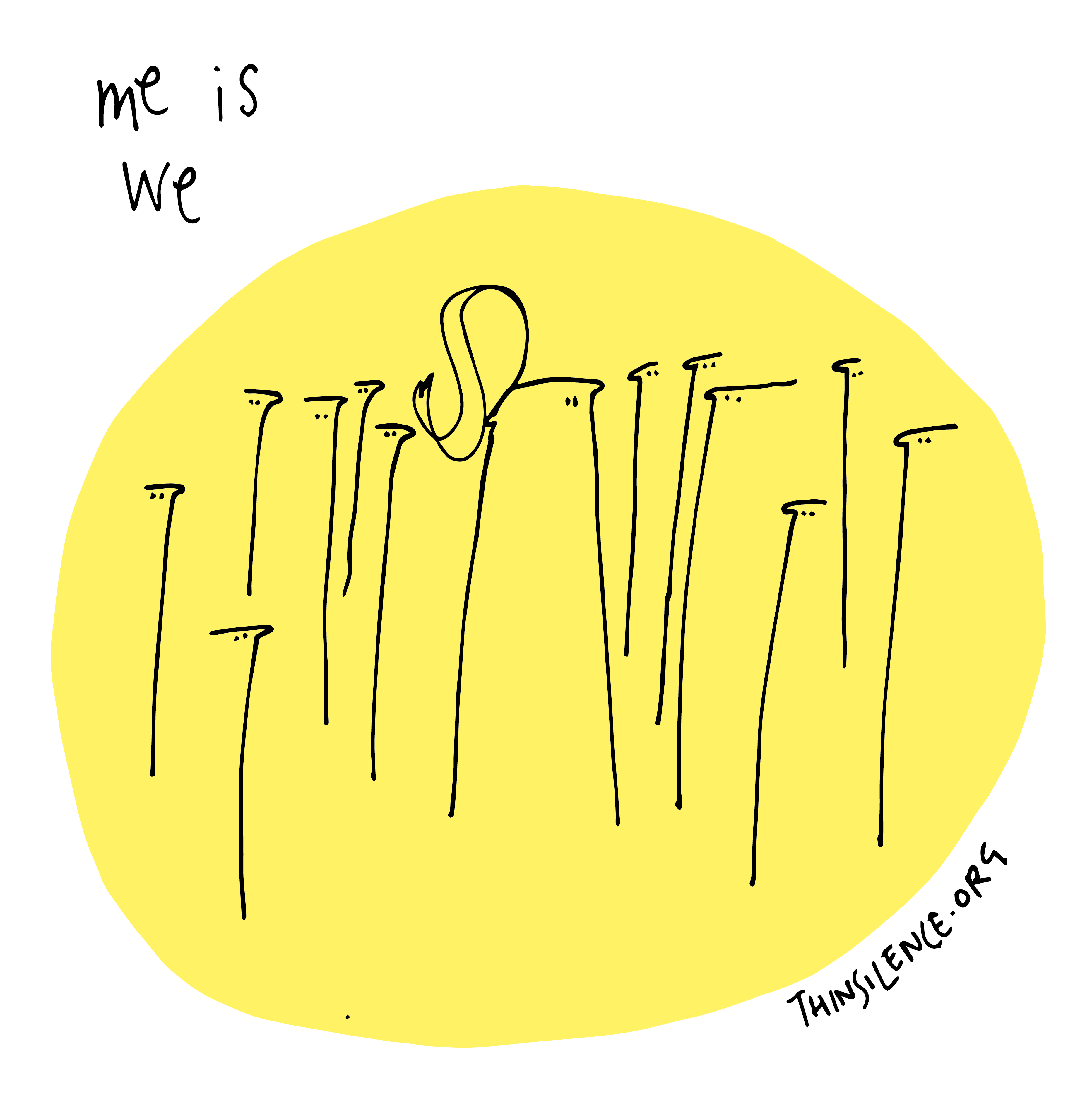
The interdependent Self is Eco Self, which leads us to True Self. We become all we can be through reciprocal relationships with others in identity and contribution.

(*From David Brooks’ The Second Mountain.)
(**From Seth Godin’s blog: The persistence of hierarchy and status roles.)
(^Auguste Comte, quoted in Alain de Botton’s Religion for Atheists.)
(^^From Richard Rohr’s Adam’s Return.)
(*^From Richard Rohr’s Immortal Diamond.)