big dreams and small things

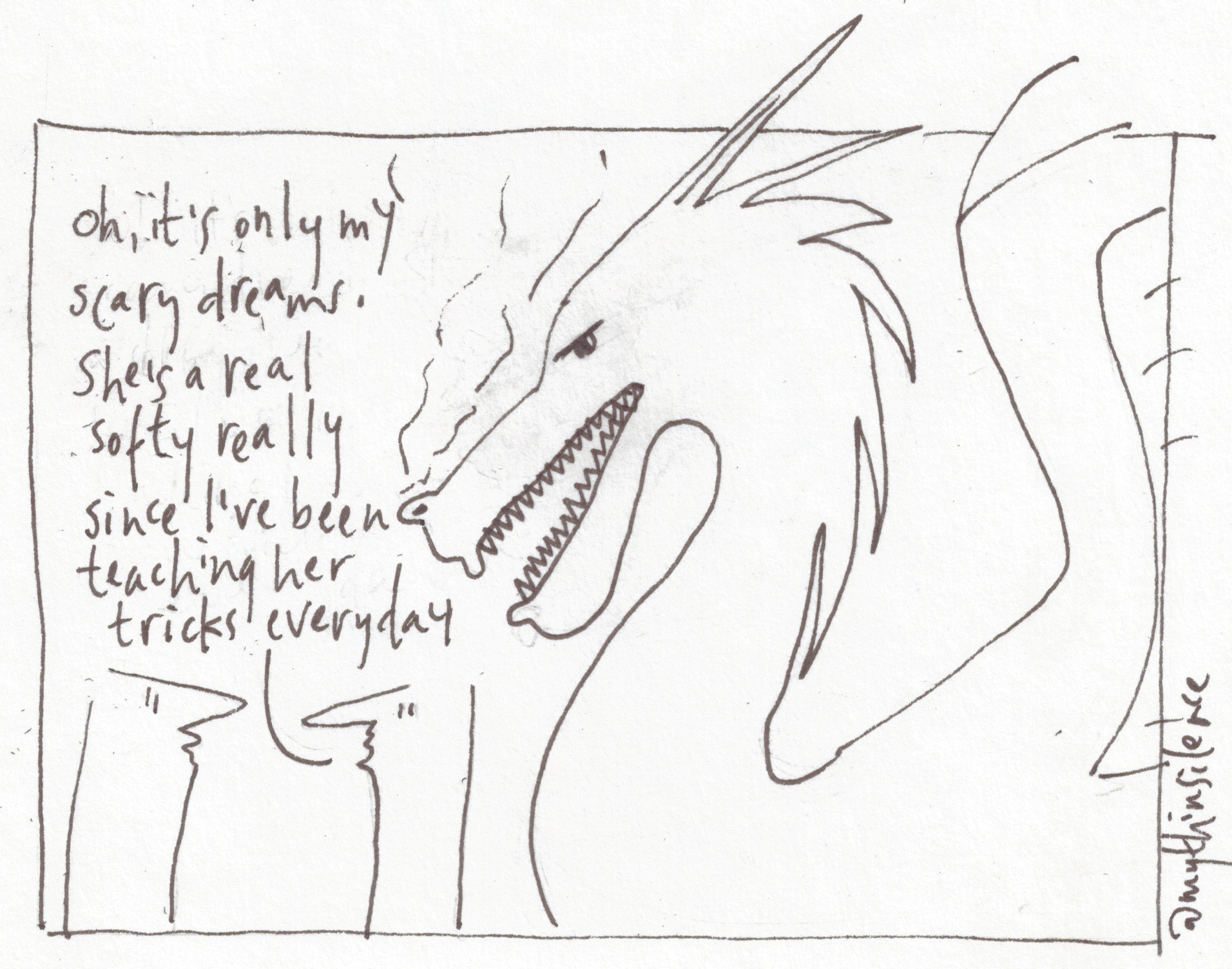
11 oh, it's only

We need to pursue a big dream.

The kind which has us turning out of bed and wanting to do the thing we do with alacrity.

‘The hunger will give you everything.  And it will take from you everything.  It will cost you your life, and there’s not a damn thing you can do about it.  But knowing this, of course, is what ultimately sets you free.’*

The problem with a scary big dream is, because we can’t make something big happen easily or quickly, we’re tempted to do nothing.

This is where we need to believe in the importance of small things – mini expressions and prototypes of our big vision.  When we do something small every day, several times every day, we’ll be surprised by what takes shape.

Seth Godin writes about how, for those turning big dreams into reality, ‘the fear is still there, but it’s drowned out by a different story.’**

This helps me realise how, in my journalling, I’m telling myself a different story at the beginning of each day, then finding small ways to express this.  The important question is: Does it work?

Peter Senge proffers:

‘There is one and only one way to assess a vision: what is attained relative to what might have been attained without the vision.’^

Small things.

(*From Hugh Macleod’s Evil Plans.)
(**From Seth Godin’s Tribes.)
(^From Peter Senge’s The Necessary Revolution.)
infinite life

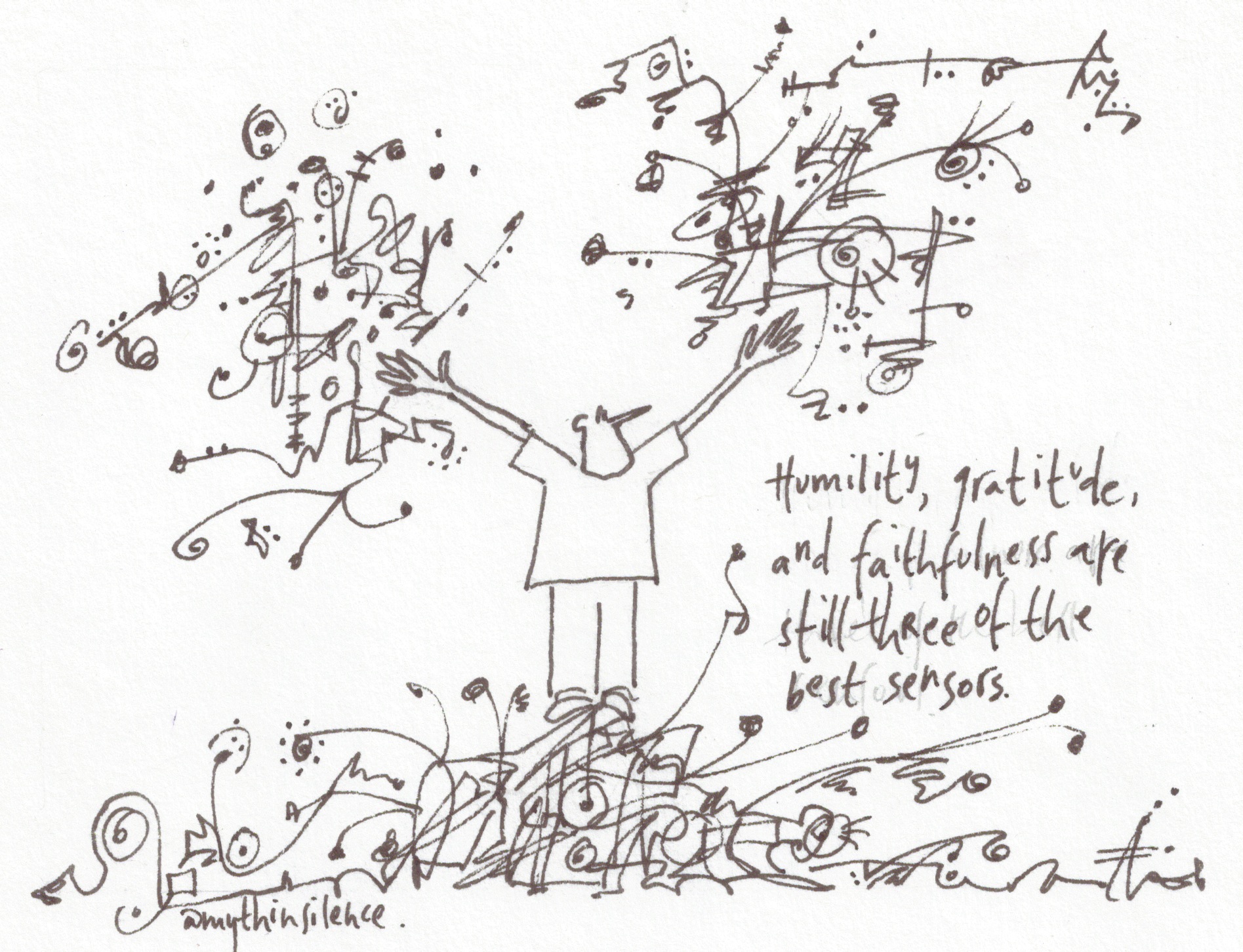
10 humility

It’s estimated every year sees 2.5 billion new things connected to the Internet through sensors.  It could be by 2023 these will reach the trillions.

This information is the first part of a brave new world.  Automation is the second – when something is activated as a result of the  information: your fridge is down to the last 200ml of milk – this information activates an order for more milk..

The cost of this technology is nosediving, meaning we’re looking at what Autodesk’s Karl Bass is calling “infinite computing” – computing as abundant and cheap rather than scarce and expensive.*

Imagine 2023, when these trillions of sensors are not only found in the world around but also beginning to be found in our bodies, monitoring, and triggering, the production of chemicals,maintaining optimum body efficiency.

The question is, will our understanding and utilising of the sensors we already have continue to lag behind – not only for our feelings and energies (body, mind, heart, and spirit), but also those we’ve “implanted” – skills and talents and strengths, as well as passions and values.

The technology is constant allowing us to look at the smaller things of our lives is constantly emerging.  It would be the greatest of Human tragedies, though, if we neglected the kind of developments which lead to effectiveness within a bigger story and a better world.

It could well be the two go hand in hand; in fact, I strongly suspect they do.

(*From Peter Diamandis and Steven Kotler’s Bold.)

relational innovation

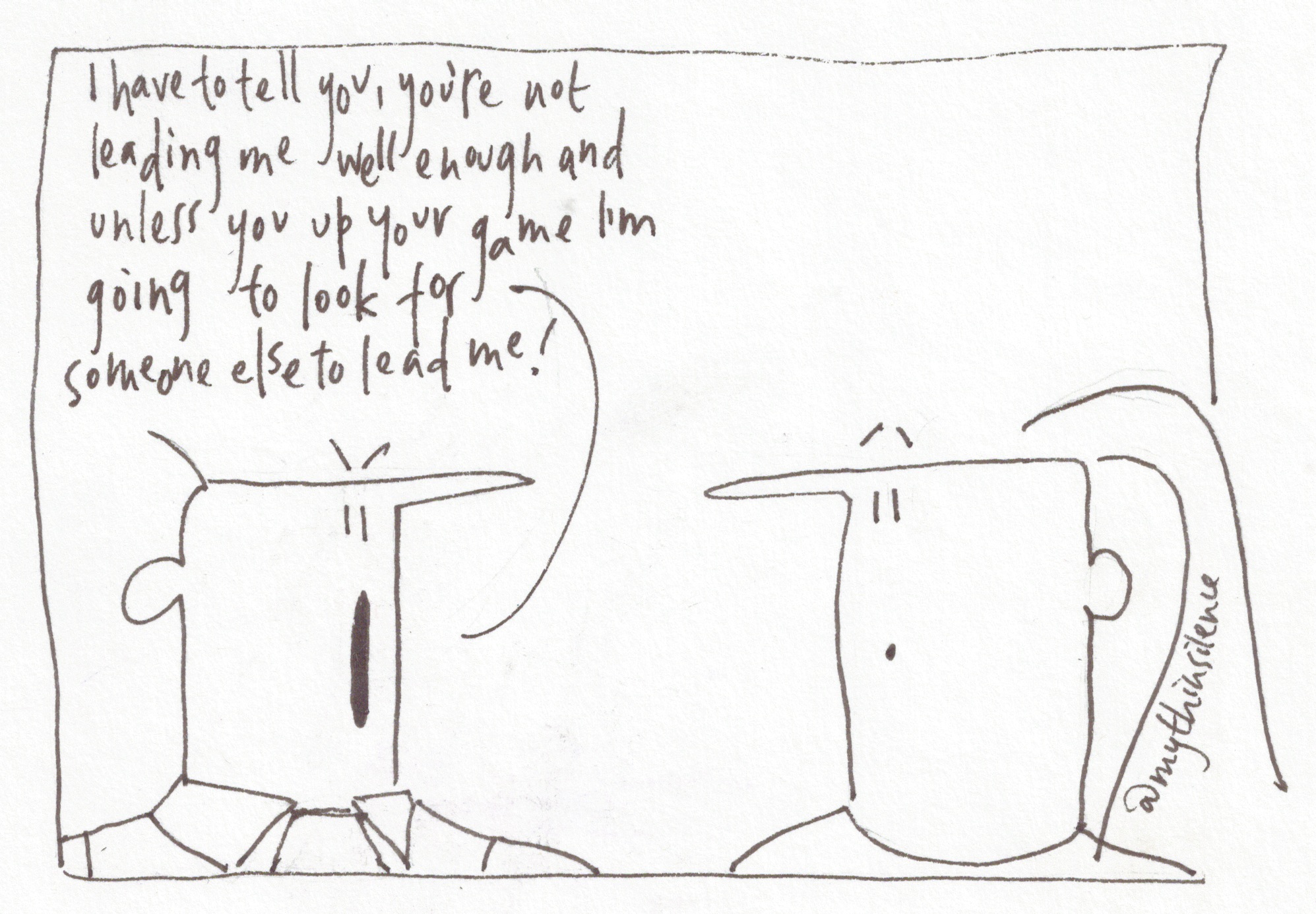
9 i have to

The future will increasingly emerge from our capacity to connect.

It will be less doing things for people and more establishing the spaces in which the future can emerge.

Of course, some will take the lead and form these spaces, but they will be careful not to direct what then happens – when people bring their best to one another out of a wholeness which includes their brokenness.*

Some will want to control this, but their time is passing.

‘In and through community lies the salvation of the world.’**

(*In The Different Drum, Scott Pecks tells of how he’d be criticised by people in his community building events: “We deserve more direction than you’ve been giving us, Scotty.”  Peck’s response is: ‘The chaos could easily be circumvented by an authoritarian leader … . The only problem is that a group led by a dictator is not, and never can be, a community.  Community and totalitarianism are incompatible.’)
(**From Scott Peck’s The Different Drum.)

bus tales

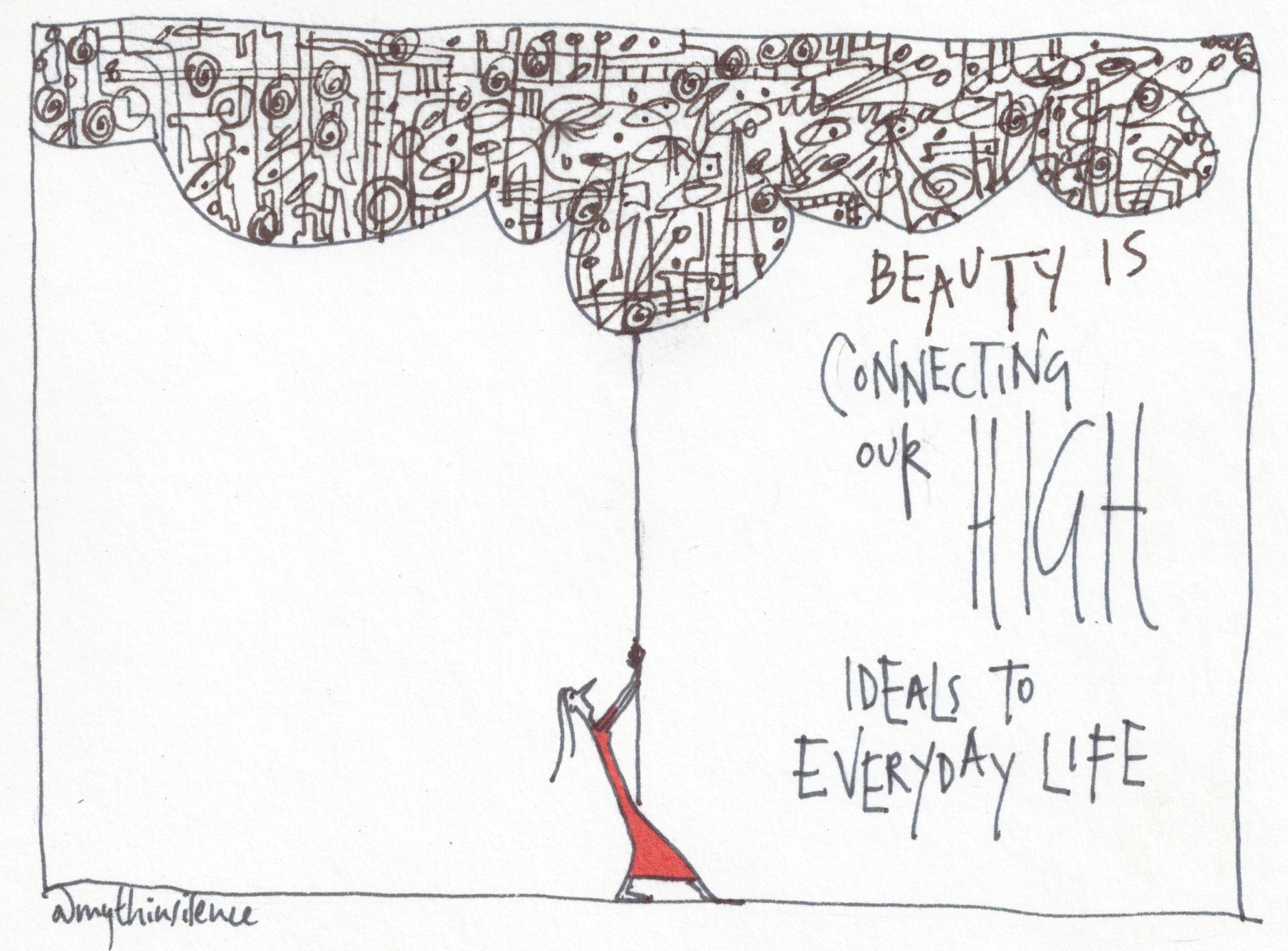
8 beauty is

Two bus tales.

Tale 1: The woman getting on the bus asked the driver if the bus went to her hotel.  He didn’t know, but she thought he should and told him so.

I told her it did stop where she needed it to and and she took the opportunity to complain about the driver again.  I told her drivers can’t know all the routes as the bus company has a policy of moving them around.

Later, she was chatting with her companions and about to miss her stop so I popped down the bus to tell her.  She thanked me and again said the driver ought to know his route.  I explained again why this was impossible.  As she got off the bus, she again told the driver he ought to know his route and demanded his number to complain.

Tale 2: Bus driver Linda Wilson-Allen has built a community she cares for on the route she drives – lifting people’s bags onto the bus, even inviting someone at one of her stops she thought new in town to have a meal with her family.*

All of this made me wonder about the rules, or values, we live by, or think we do.  A practical and helpful thing to try is to take a few moments to write out our personal values, imagining how we can turn up every day looking for opportunities to creatively live these out through our skills and effort, even on the bus:

‘At this point in history, on the level where each of us lives and breathes in our day-to-day lives, we must learn to engage a new dimensions of the human imagination.  We must learn to [live] from the future.’**

(*Told by John Ortberg in All the Places to Go.)
(**From Alex McManus’s Makers of Fire; I have altered one word: lead to live.)


the magis way

7 the magis way

The Jesuit’s have a motto: Magis.

More!

The original idea was to give absolutely everything to what they personally believed it was important for them to pursue … and then they’d give even more.

We can all live a Magis-life, though.

It’s about being loving-discovering more – the divergent.

Then it’s about loving-specifically – the emergent.

Leading to the a focusing of love – the convergent.

The Jesuits had another saying: Live with one foot raised.

Always be prepared to move with what you love to do for others.

FOMO

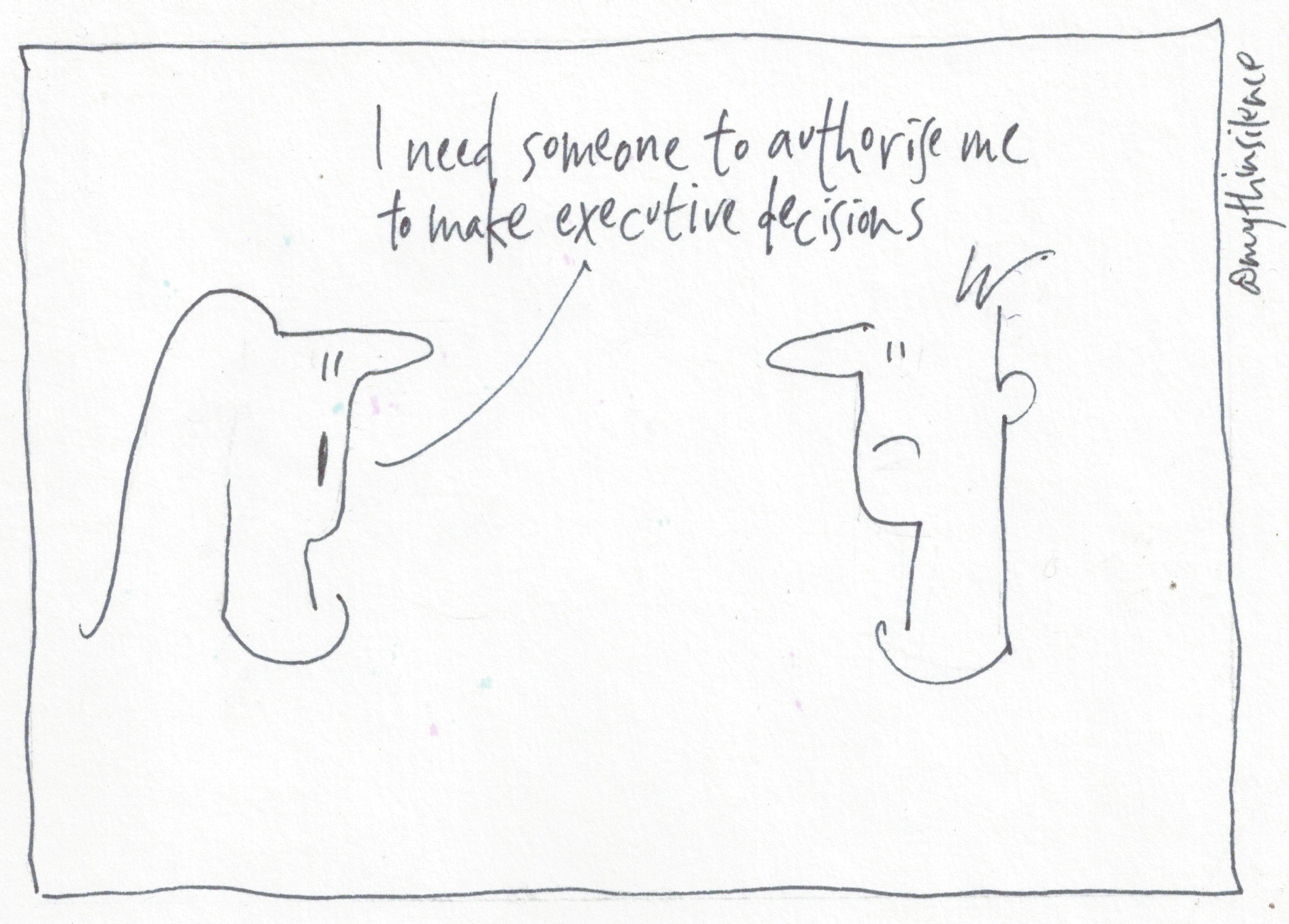
6 i need someone

The fear of missing out.

It’s never been easier to let people know what you’re up to (and never easier to make things up, too – see Zilla Van Den Born’s story).  Every possible kind of thing shared, but not everything is real.  Some aim to impress by laving out all the bad stuff, while others get caught in the endless possibility of failing to see the good stuff.

John Ortberg suggests we be careful in a fear of missing out world:

“Never compare your behind the scenes with everyone else’s highlights reel.”

It seems we have, built-in, a need not to miss out.  History tells us we can meet this need in harmful ways or good.

And there’s a difference between missing out on someone else’s life because your not doing what they are and missing out on your own life.  The best and good way is to identify what you want to do with your life for the sake of others – the words in italics transform the first part.  You’re providing yourself with a narrative arc to keep you on track and come back to when you stray:

Am I doing what I MUST do?  Then I will never miss out.

Are you doing what YOU MUST DO?  Neither will you.

waiting for godot?

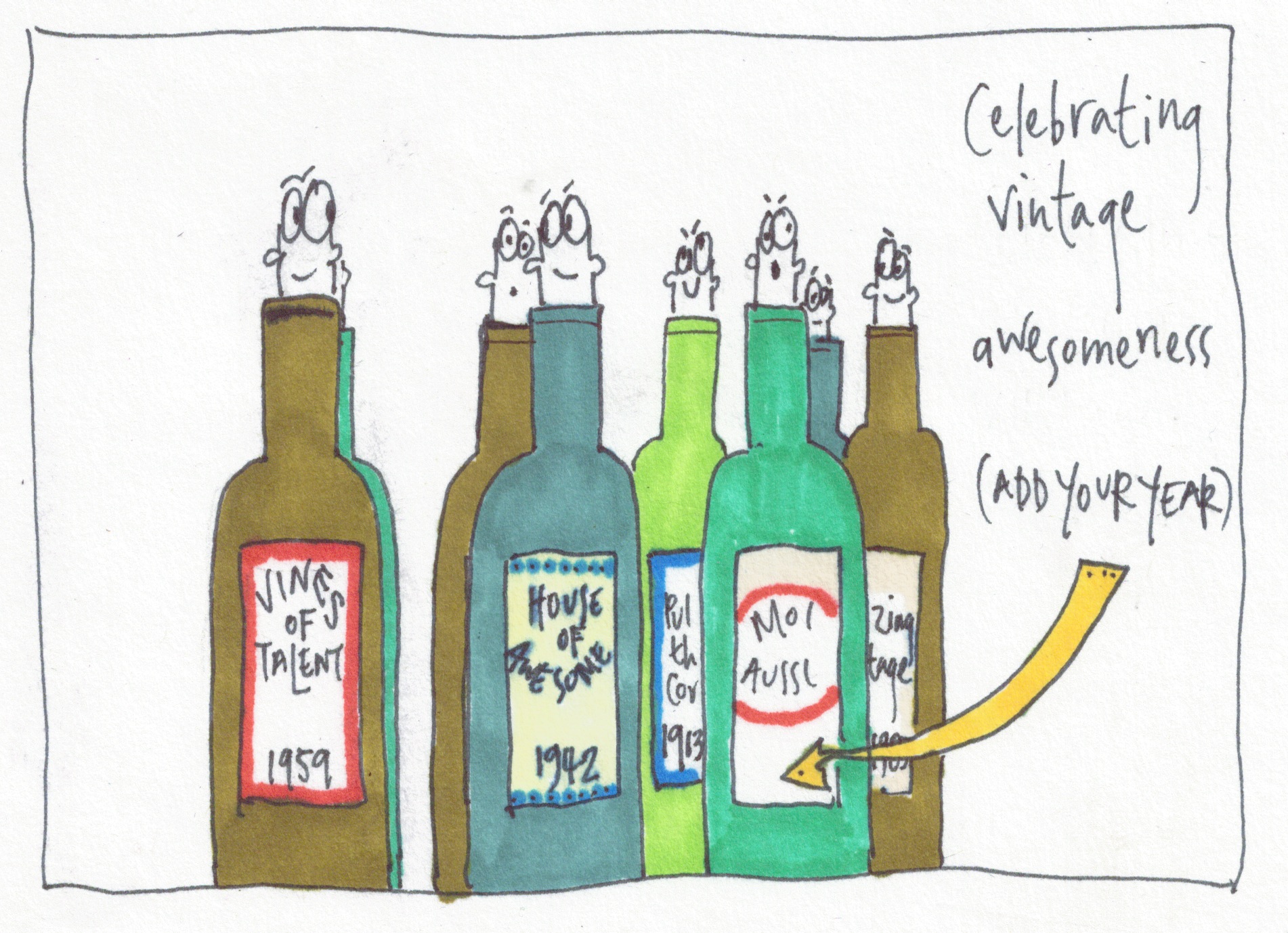
5 celebrating

‘Old age offers the opportunity to integrate and bring together the multiplicity of directions that you have travelled.  It is a time when you can bring the circle of your life together to where your longing can be awakened and new possibilities come alive for you.’*

There’s old age and there’s old age.

We can wait for Godot or we can make something happen because we see and understand what our lives offer in the way of new possibilities.

This is a wise life.

To be wise is not to know.  It’s about the kind of future we make possible for others – challenging the status quo (the most dangerous state to find ourselves in).

Old age makes for great heretics.  What if it is for this moment life has been preparing you for?

(*From John O’Donohue’s Anam Cara.)

a new literacy

4 life

Alongside new technologies there are to be found new possibilities for more people to explore creativity and generosity.

One of these new technologies is networking and sensors: our cars, phones, fridges, and our bodies are being sensorised.  When these sensors transmit their information to each other our world becomes smarter.*

The Human equivalent is the connecting of those who’re becoming more aware of how talents are grown and innovatively work together, and what this means for our species, and all fauna and flora in a world which is more than Human.

More new technologies are being made available freely or at very low cost – some would say this is democratisation.**

I hope for a Human sensoring and networking revolution with more and more people looking to understand and connect what they have and what they can do.

This is what I give myself to; I think it’s what dreamwhispering is about.

(*Only a couple of hours after writing this, I met someone who’s creating a version of the very technology which will make.)
(**Check out Peter Diamandis and Steve Kotler’s Bold.)

mistakes are doorways

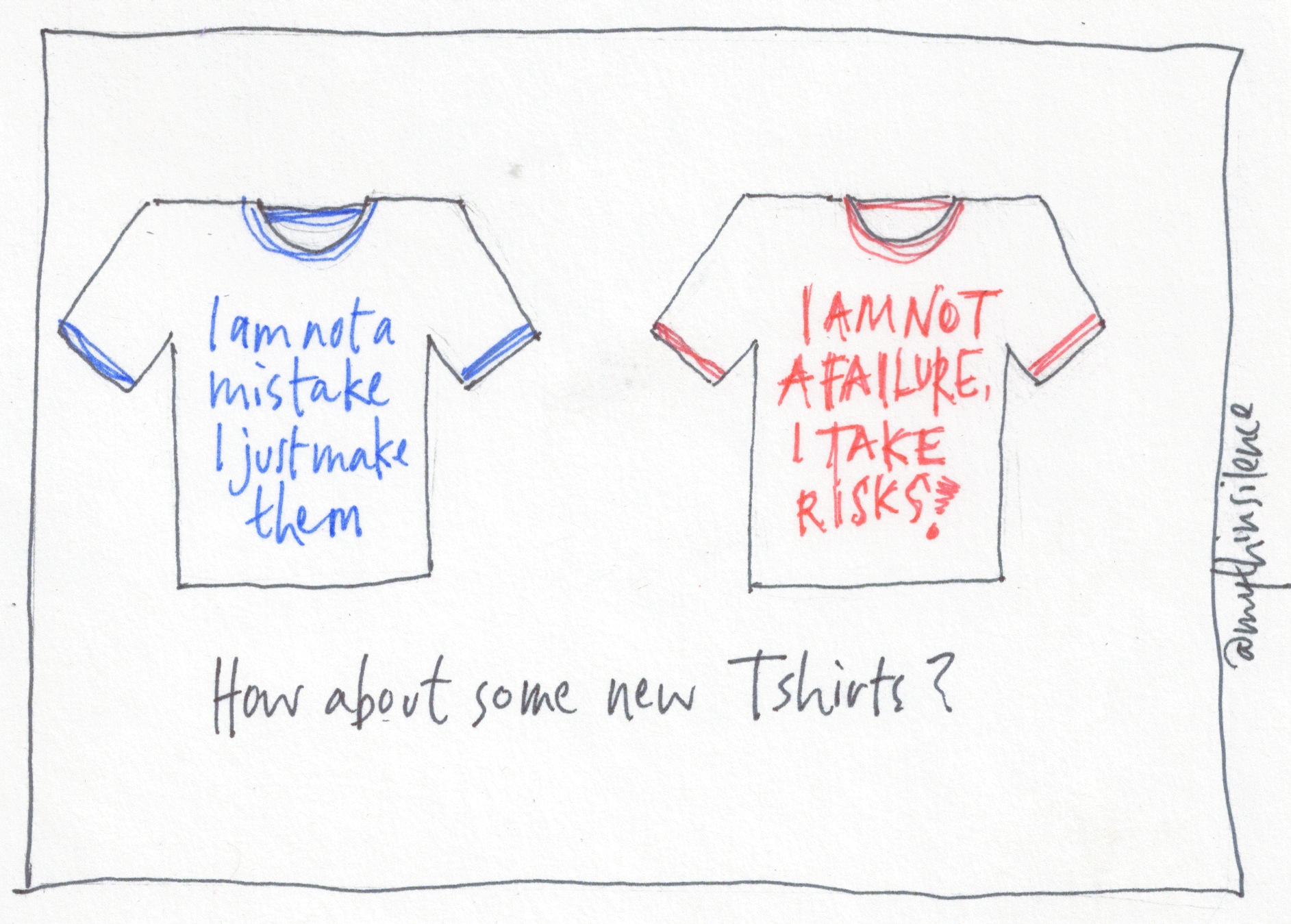
4 how about some

‘Frequently, in a journey of the soul, the most precious moments are the mistakes.  They have brought you to a place which you would otherwise have always avoided.’*

A mistake or a failure can be a doorway too.

Helping me to see myself in a different way, in a way I wouldn’t normally welcome or pursue.  Then I have an opportunity to grow.

The mistake or failure you most avoid may be the thing the world needs you to make.

**From John O’Donohue’s Anam Cara.)

regrets

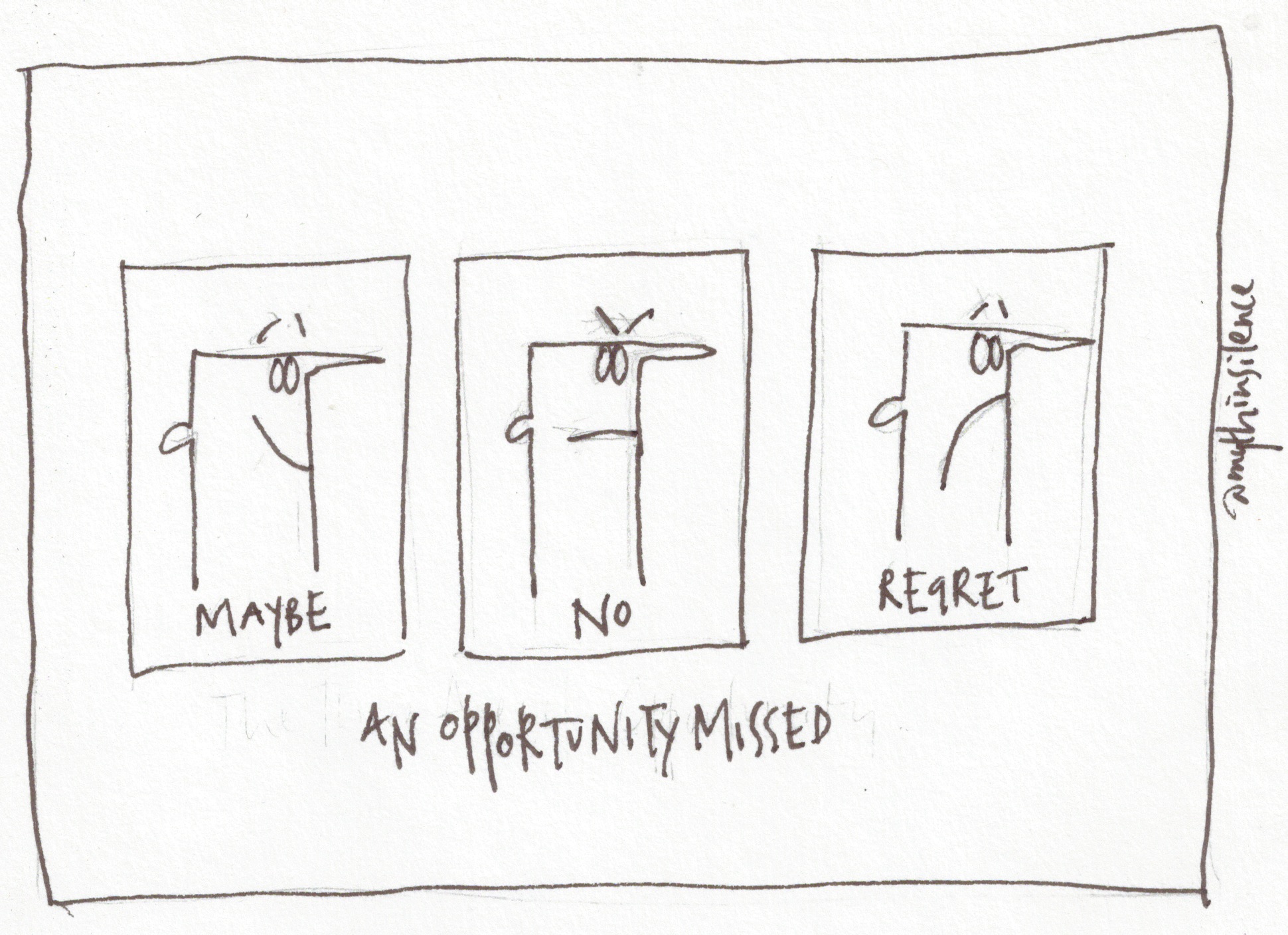
2 an opportunity missed

What if I’d gone through that door when I had the chance?
What if I don’t take this opportunity presenting itself now?
What if it all goes wrong?

Regrets from trying and failing pale in comparison with regrets of never trying and never knowing.

Why not go through the doorway when it offers itself.

Psychoanalyst George Vaillant proffers, “Experiments document that while negative emotions narrow attention … positive emotions, especially joy, make thought patterns far more flexible, creative, integrative, and efficient.”*

It’s never too late to walk through the doorways which present themselves, as Florence Detlor discovered.  Wanting to do something new, Florence decided to join Facebook.  Not so surprising?  When here story got out, seven thousand people wanted to “friend” Florence in a single day.  I ought to let you know, Florence was 101 years young at the time.**

(*Quoted in Ken Robinson’s Finding Your Element.)
(**Florence’s story is told in John Ortberg’s All the Places To Go.  Her Facebook pages are still there to see -vthough Florence clearly didn’t accept all the friend requests – only 3,339.)