
Things designed by people without skin in the game tend to grow in complication (before their final collapse).*
Nassim Taleb
*Nassim Taleb’s Skin In the Game.

Things designed by people without skin in the game tend to grow in complication (before their final collapse).*
Nassim Taleb
*Nassim Taleb’s Skin In the Game.
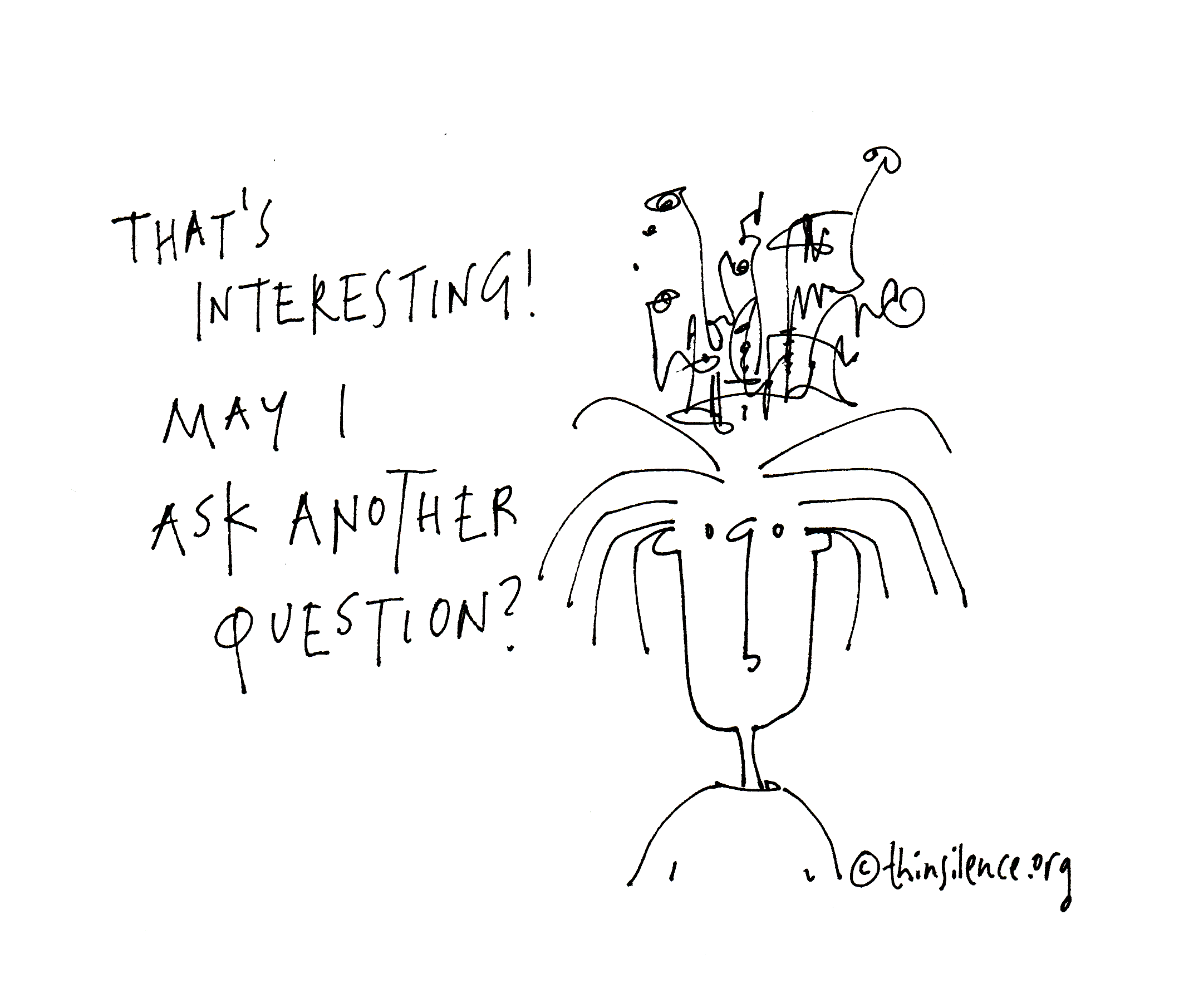
I am a question asker and a truth seeker. I do not have much in the way of status in my life, nor security. I have been on a quest, as it were, from the beginning.*
M. C. Richards
The wandering flâneur is a more open spirit, I would say, then the purposive wayfarer, because his or her knowledge of places and people can expand in unforeseen ways.**
Richard Sennett
You can never ask too many questions or
seek too much truth in your zest for life,
Though the way we go about it matters –
Around asking questions, James Clear suggests being pleasant and
turning up daily, which sounds like good advice;^
There are at least two ways to go about this:
With focus and purpose, or
with wandering and openness –
Your particular creativity will lead you into one or the other.
We’re all creative, and
it doesn’t take long to identify how –
Such is my finding from almost twenty years of exploring these things with
a diversity of people;
As educationalist Sir Ken Robinson wrote:
When people say to me that they are not creative,
I assume that they just haven’t learnt what is involved.^^
And what are we doing when asking questions and seeking truth
if not learning?
*M. C. Richards’ Centering;
**Richard Sennett’s Building and Dwelling;
^James Clear’s 3-2-1 Thursday newsletter;
^^Ken Robinson’s Out of Our Minds.
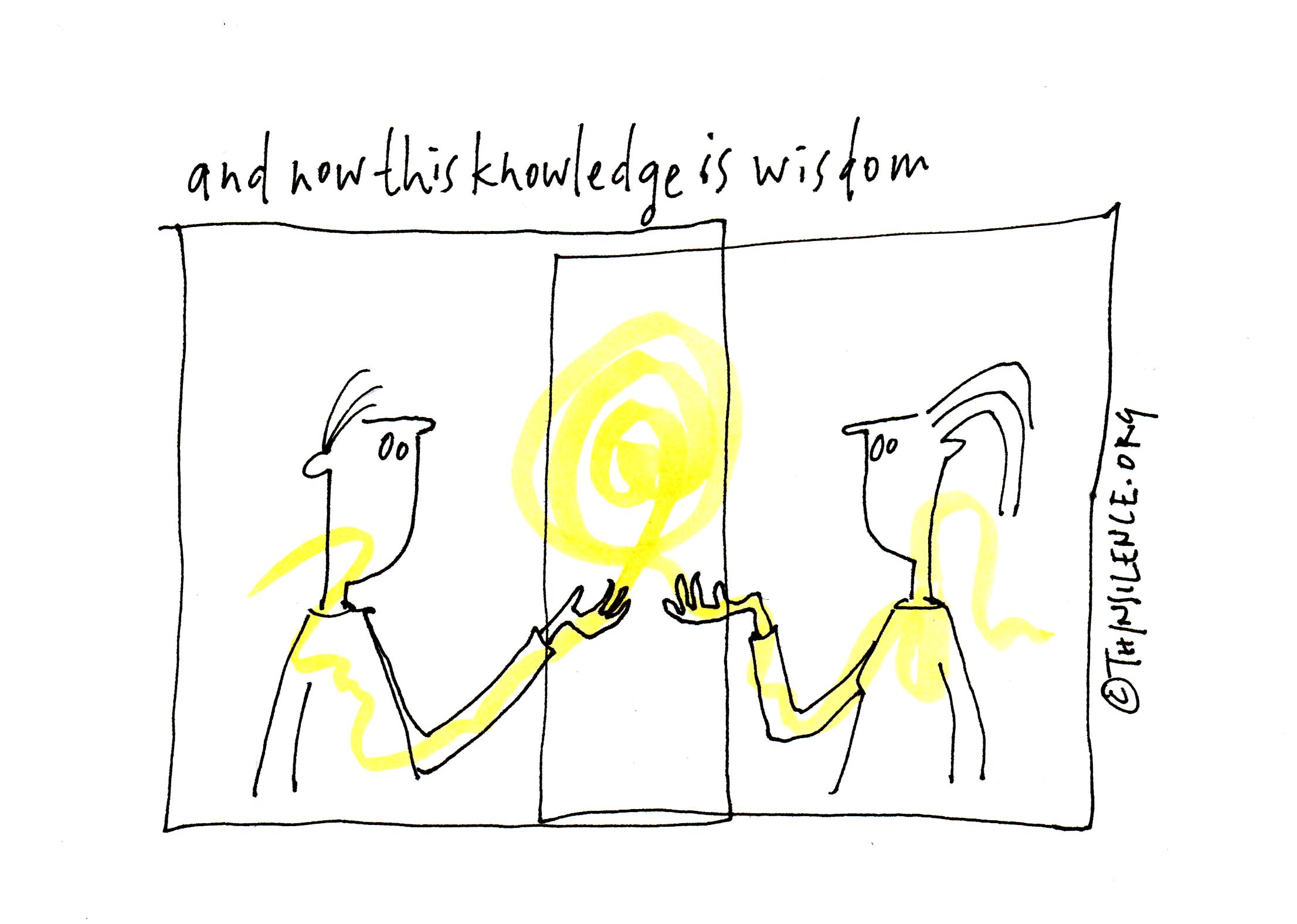
Our knowledge, if we all it to be transformed within us, turns into capacity for life-serving human deeds.*
M. C. Richards
And there it is again: the oldest problem, the deepest dream – the pain of separation, the desire for reunion.**
Susan Cain
With knowledge comes responsibility, and this, in turn,
Produces wisdom, which is shaded with selfless and generous
activeness;
This also means that it is bittersweet in nature,
A denying of ourselves in order to possess what we want most of all –
Our separation and reunion –
The fullness of life existing in the mission produced not through freedom from, but in
freedom to, as Viktor Frankl suggests:
Having such a task makes the person irreplaceable
and gives his life the value of uniqueness.^
*M. C. Richards’ Centering;
**Susan Cain’s Bittersweet;
^Viktor Frankl’s The Doctor and the Soul.

Life on its own, without art to shape it, leaves you in confusion and chaos, but well-told stories have the power to harmonise what you know with what you feel. Story is a vehicle that carries us on our search for reality, our best effort to make sense out of the anarchy of existence.*
Robert McKee
I want to facilitate, in some small way, a mutual journey toward meaning; to decrease the dimensions of our emptiness and draw us closer to love and to beauty … This common project – to improve matters – is available to all of us, at every moment, and in a multitude of ways, and exists in the smallest kindness, the most rudimentary act of tolerance, or in the simplest generosity.**
Nick Cave
We are all artists with some
good contribution to bring into the world, to make things better,
Often in some small, but critical way, but then the
resistance appears, sometimes
lasting for years;
This is when our alter ego comes to our assistance.
Think of it as simply being the name we give to
all our values, energies, and talents –
This may sound like we’re playing at it, and we’re right,
But not in the way we think because
play helps to set free the heroic and artistic self trapped within
our fears and doubts:
And here’s a reminder that
playfulness doesn’t stop at eight years of age;
it’s a pathway to handling life with
more grace.^
*Robert McKee’s newsletter: The Power of Story;
**Nick Cave’s The Red Hand File’s blog: #200;
^Todd Herman’s The Alter Ego Effect.
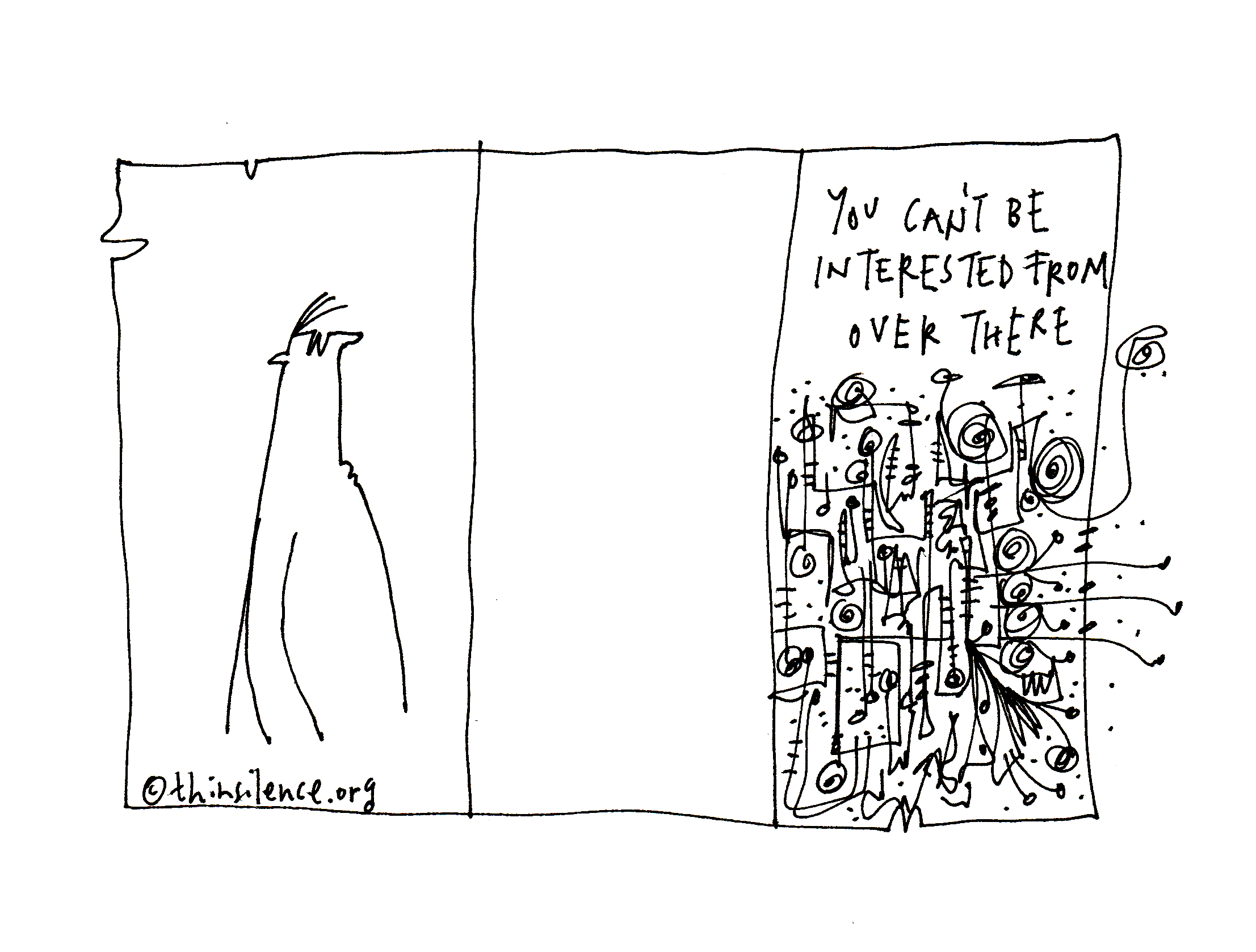
“Interest” comes from the Latin “interesse,” that is “to be in-between.” If I am interested, I must transcend my ego, to be open to the world, and jump to it: interest is based on activeness.*
Erich Fromm
The journey through the rolling countryside of north Norfolk always feels to me like crossing over into another land, another state of mind.**
Roger Deakin
Perhaps you’ve noticed –
Though understandable if you haven’t – how,
When you are interested in something,
You forget yourself, moving beyond
the ego of who you are or want to be, finding yourself in a place of
wonderment and inquiry,
Active towards something or someone;
Here is a larger world we all have an opening to that we may
grow larger still –
When we notice the actions of interest,
We are able to replicate them:
Be curious and ask questions,
Observe the smaller details that others miss,
Demonstrate fickleness – so as not to become static and fixated,
Be slowly thoughtful to enable multiple viewpoints,
Bring an elegant flourish of imagination and creativity.^
Discipline … is both predictive and deterministic. It makes it more likely you’ll be successful and it ensures, success or failure, you are great. The converse is also true: a lack of discipline puts you in danger, it also colours who and what you are.^^
*Erich Fromm’s The Revolution of Hope;
**Roger Deakin’s Waterlog;
^These are five habits that I’ve borrowed from Rohit Bhargava’s Non Obvious 2019 – there are others that are similar;
^^Ryan Holiday’s Discipline is Destiny.
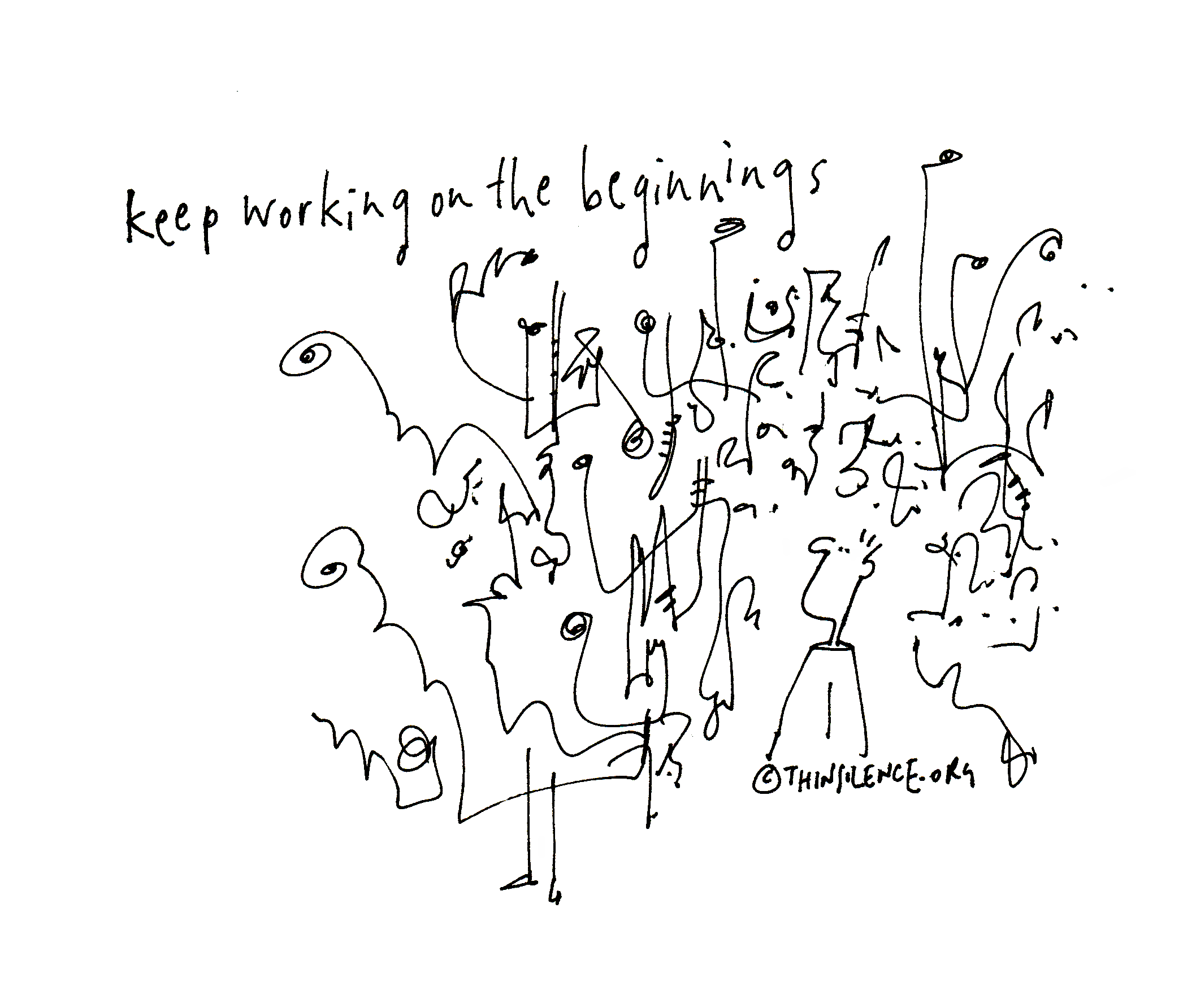
Beginning again and again is the actual practice, not a problem to overcome so that one day we can come to the “real” meditation.*
Sharon Salzburg
This will turn out to be the greatest gift we can offer another person: letting them see, every so often, beneath all the trappings and pretence to the truth of us.**
Anne Lamott
I have been writing myself into the day since 1998;
I’ve worked on and adapted the practice over the years, but basically,
I seek to meet both my truth and my possibility at the
beginning of the day – with the help of others
who come to me in a pile of books and online contributions.
It all began when I was in a mess and heard
someone tell their story about how they started to
write themself into the day – a little later the same day
I sat down and wrote my first journal entry, and
I have kept writing ever since, and, more recently,
have followed this with some thin silence blogging that
I hope will be of help to someone else to
keep beginning again.
*Dan Harris’ 10% Happier;
**Anne Lamott’s Dusk Night Dawn.
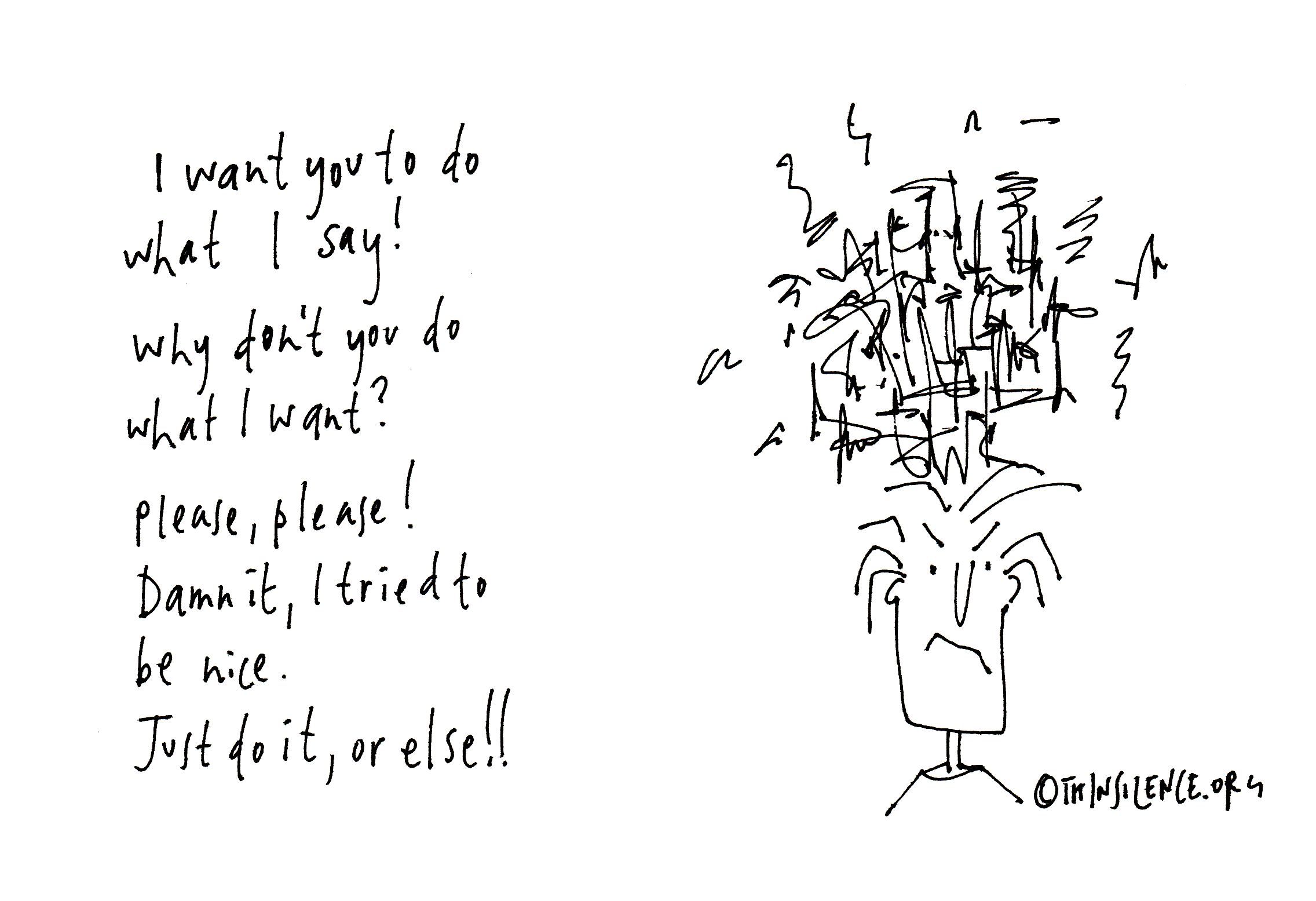
I once read a report that when asked, people guessed they had eighty percent control of their days – schedules, delays, changes, meetings, traffic, reception, et cetera, but that in reality, it was only three to seven percent.*
Anne Lamott
This being human is a guest house.
Every morning a new arrival.
A joy, a depression, a meanness,
some momentary awareness comes
as an unexpected visitor.
Welcome and entertain them all.**
Rumi
It’s the fourth elemental truth:
You are not in control,
But I wish I was –
Yet to notice what is going on inside of me
is half of the battle with my ego – who really wants to be
left unnoticed and get on with things –
Yet freedom begins when I take a moment to notice,
As Erich Fromm puts it:
leaving the prison of one’s ego and
achieving the freedom of openness to the world;^
The ego is a finite player, but
the Self is an infinite player.
*Anne Lamott’s Dusk Night Dawn;
** From Rumi’s The Guest House, William Seighart’s The Poetry Pharmacy;
^Erich Fromm’s The Revolution of Hope.
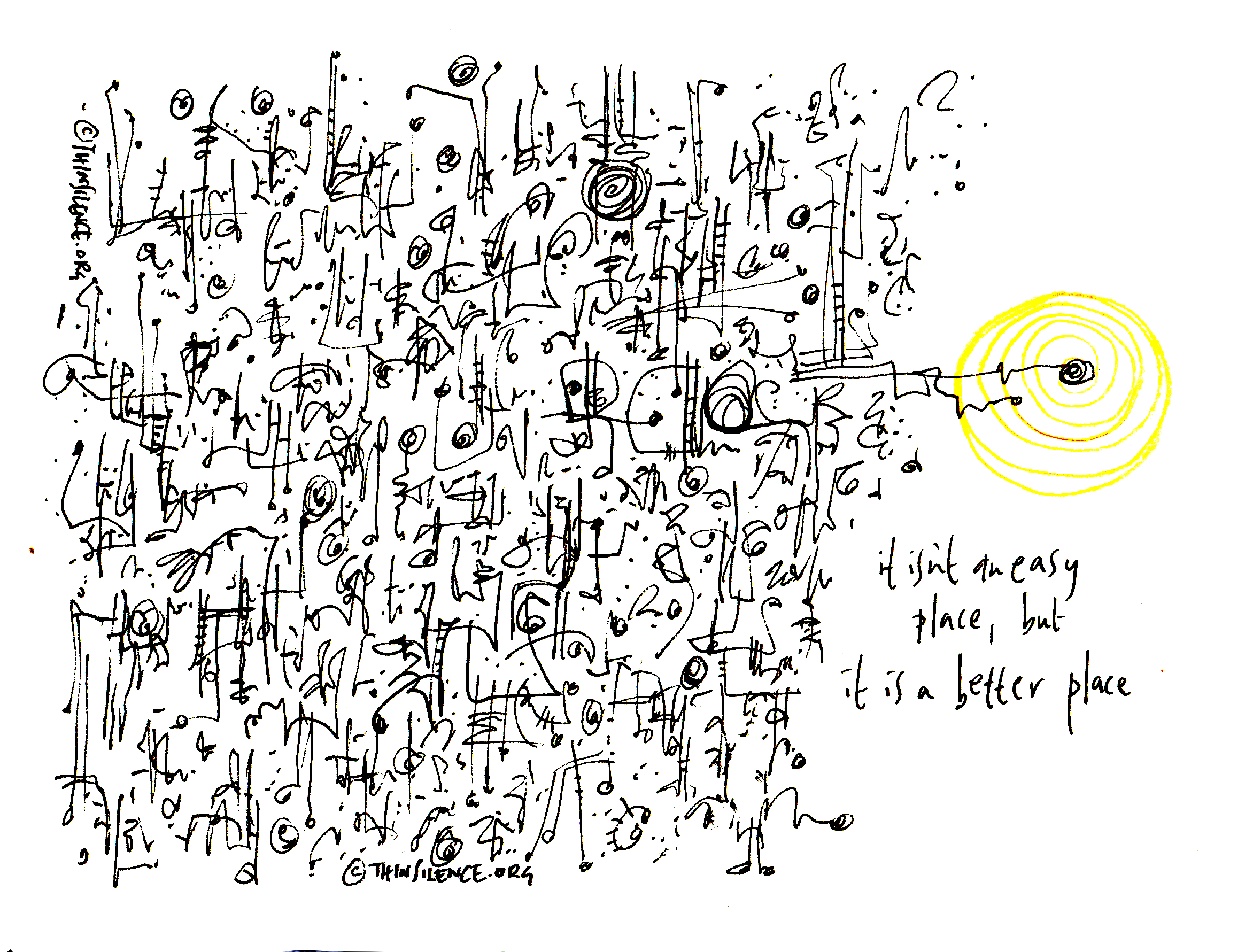
It is happening right now, at this very moment. Softly repeat the word present.*
David Rome
*David Rome’s Your Body Knows the Answer.
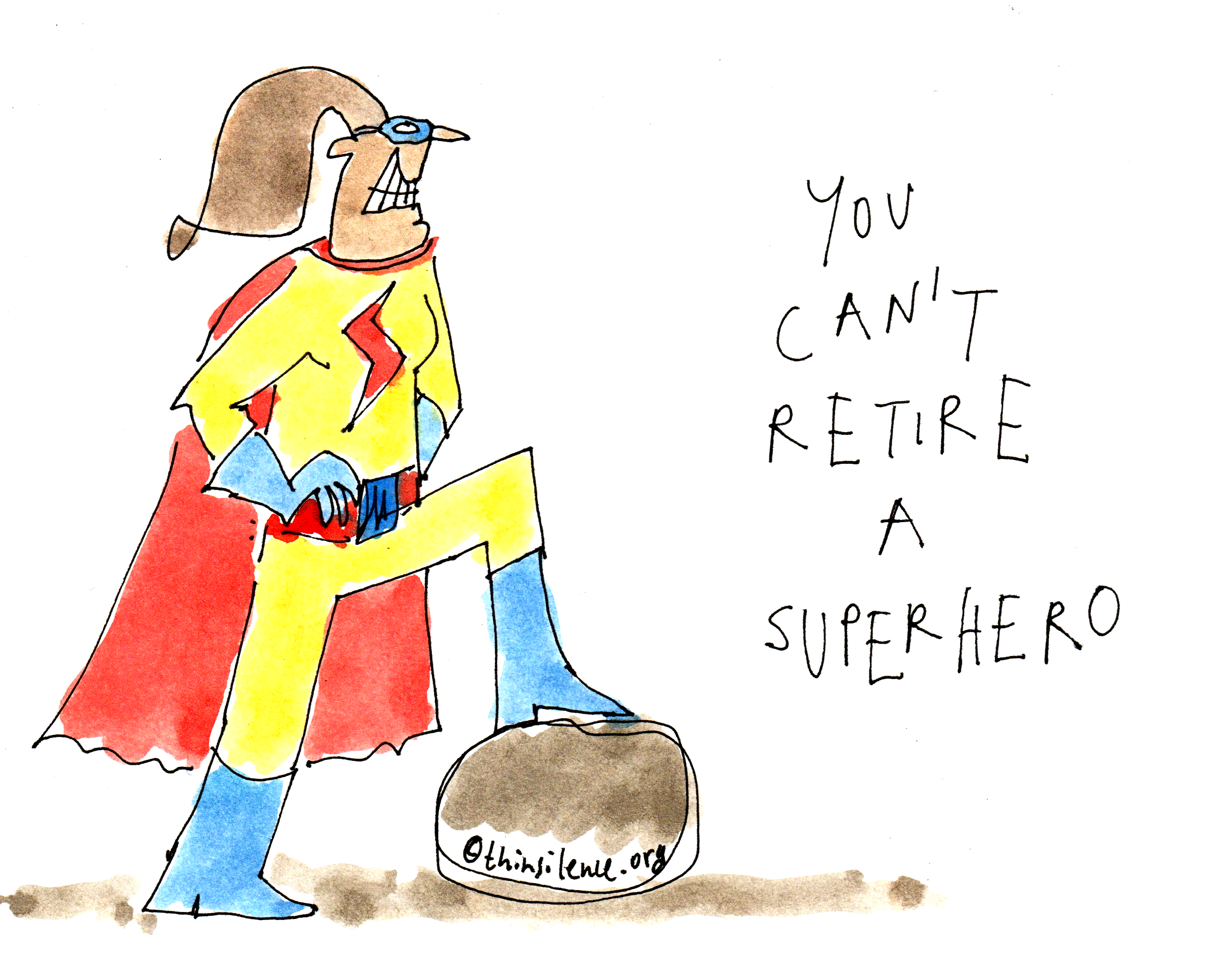
Other than death, there is no finish line or retirement for the creative person.*
Austin Kleon
Everyone knows that Superman and Clark Kent are the same. But which one is the alter ego?**
Todd Herman
And everyone is creative, although
it may not be the work that they we get paid for, meaning that
it’s important to identify our creativity –
our super-work where we find our imagination and innovation and making are
most energised and persevering through the failures that become half the fun.
I’m looking forward to reading high performance coach Todd Herman’s book
about the alter ego, and,
Whilst not wanting to give anything away, I think that
we can share the answer to his question:
Clark Kent is Superman’s alter ego;
Now that’s an interesting twist, meaning
Geoffrey Baines is my alter ego, and so,
Who am I really?
Wrap a story or narrative around this and you have
a purpose that you cannot retire from anytime soon –
It’s why I’ve created dreamwhispering.
*Austin Kleon’s blog: There is no finish line;
**Todd Herman’s The Alter Ego Effect.

A humble mindset has significant effects on the cognitive, interpersonal, and decision making skills. Humble people are better learners and problem solvers … Humility is also the only effective antidote to narcissism.*
Anna Katharina Schaffner
Becoming psychologically flexible is key to personal transformation, not overattaching to your current identity or perspectives. Becoming insatiably committed to a future purpose and embracing emotions rather than avoiding them is how radical change occurs.**
Ben Hardy
Here I am,
Banging on about humility again –
It really is an attribute that meets many needs:
Feeling bad about self – humility,
Worried what others think about you – humility,
Needing to see more around you – humility,
Wanting to learn more – humility
Be open to more ideas – humility,
See new possibilities – humility,
Experience more awe and wonder – humility,
Connect more with people – humility,
Be willing to experiment and try different things – humility,
Wanting to change self and direction – humility,
The power to keep going – humility …
Free and available to all to develop.
*Anna Katharina Schaffner’s The Art of Self Improvement;
**Ben Hardy’s Personality Isn’t Permanent.


You must be logged in to post a comment.