The word ‘Yoga’ is derived from the Sanskrit root ‘Yuj’, meaning ‘to join’ or ‘to yoke’ or ‘to unite’.
Life as an art and art as a game – as action for its own sake, without thought of gain or of loss, praise or blame – is the key, then, to the turning of living itself into a yoga, and art into the means to such a life.* Joseph Campbell
The finite player competes against, The infinite player plays with; One serves division, the other oneness – Life-in-all-its-fullness is a journey from the finite to the infinite.
Push to your edges and discover what you can do to rescue the little gods who are caught in lives that will render them impotent to their own enormous gifts.* Jean Houston
The value of an effective rite is that it leaves everyone to his own thoughts, which dogma and definitions only confuse.** Joseph Campbell
In every child there exists an amazing story that may never be lived; Perhaps, if we push against our perceived boundaries, If we wonder every day where our limits are whilst we hone our gifts through imaginative action, We might yet help unlock these tales.
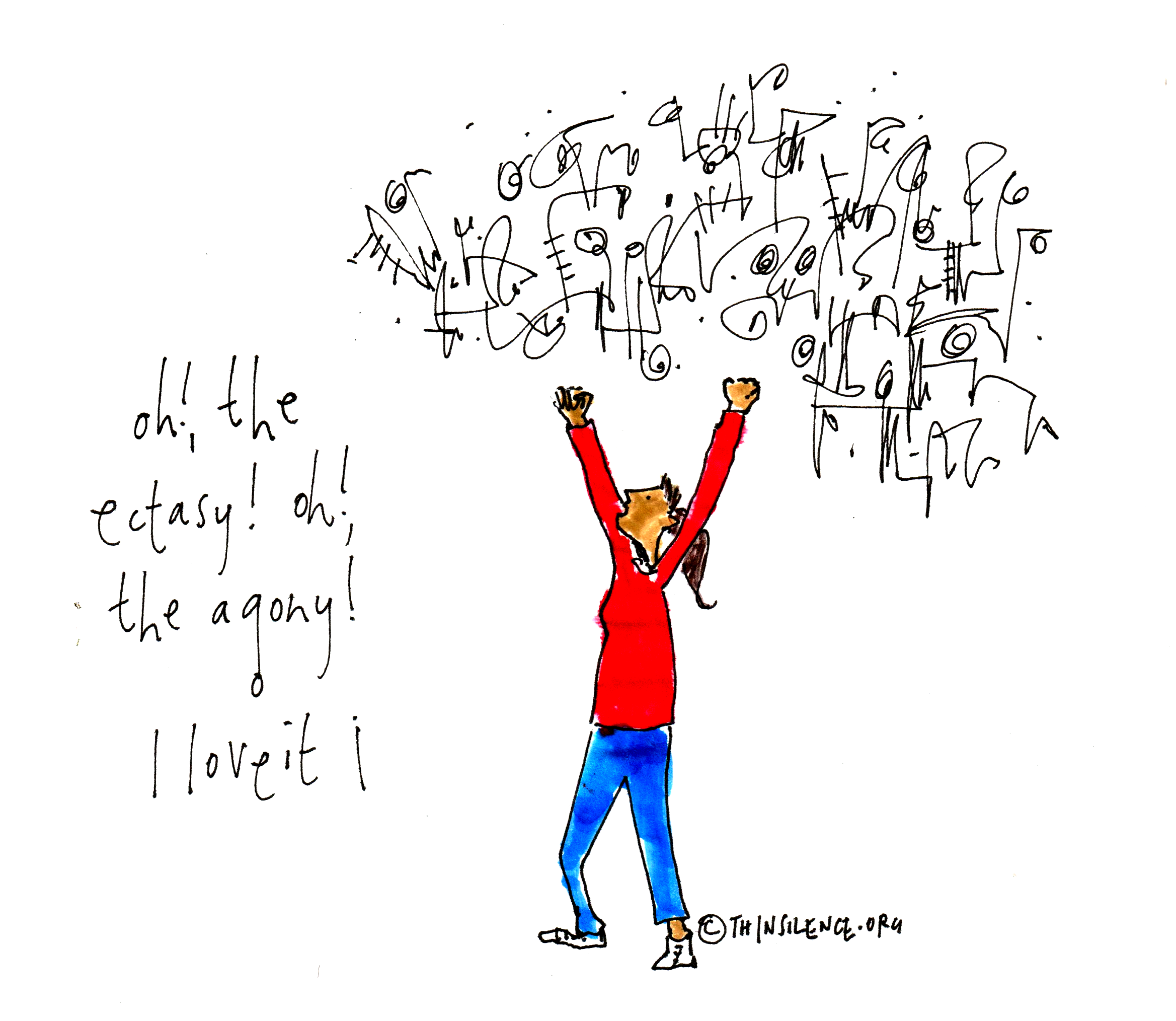
Work at its best is the arrival in an outer form of something intensely inner and personal, and the art of working itself – a bridge between the public and private, a bridge of experience which can be an agony and ecstasy to cross.* David Whyte
Everybody said you should serve a cause larger than yourself, but nobody tells you how.** David Brooks
We all want to spend our days usefully, for our work to be meaningful and to make a difference, but even in the 21st century, when you would think this would be more possible than ever before in history, the number of life-numbing jobs proliferate, and, The lines between work and life have to be sharply drawn.
The job we want may be evading us, but, If we were to spin this around, inside each of us there lies the work we want to do, wrapped in a unique mix of talents and abilities and passion and more; Once we discover and begin to find ways to experiment with and express these, then boundaries begin to dissolve, and we enter the ecstasy and the agony of the difference we can make, which cannot be held within an either/or or this/that, but within a rhythm – as in poetry or song.
Each life is a mystery that is never finally available to the mind’s light or questions. That we are here is a huge affirmation; somehow life needed us and wanted us to be. To sense and trust this primeval acceptance can open a vast spring of trust within the heart. It can free us into a natural courage which casts out fear and opens up our lives to become voyages of discovery, creativity and compassion.* John O’Donohue
Harmony has been described as a second naïveté, a second simplicity or innocence, where instead of seeing through everything, we see into everything, and at the core, we find not meaninglessness and banality but profound, inexpressible belatedness and beauty.** Brian McLaren
In this infinite game of life there are no imposters – Life wanted each unrepeatable one of us here.
Of course, we are beholden not to choose some way or manufacture a role that cuts across the direction of our lives.
I’m not thinking about fate or destiny, but about knowing ourselves and choosing to make our contribution.
What matters most isn’t the title. It isn’t the power. It isn’t the wealth. It isn’t the control. It’s who you choose to become. Or who you choose to remain.^
When we are prepared to look inside, we find more than we had thought or hoped we would.
Yes, there’s the ugly stuff, the failures, the weakness, but there’s also the love and beauty expressed in discovery, creativity and compassion.
Most of all, I am reminded how this is the possibility of looking with astonishment in to the lives of one another.
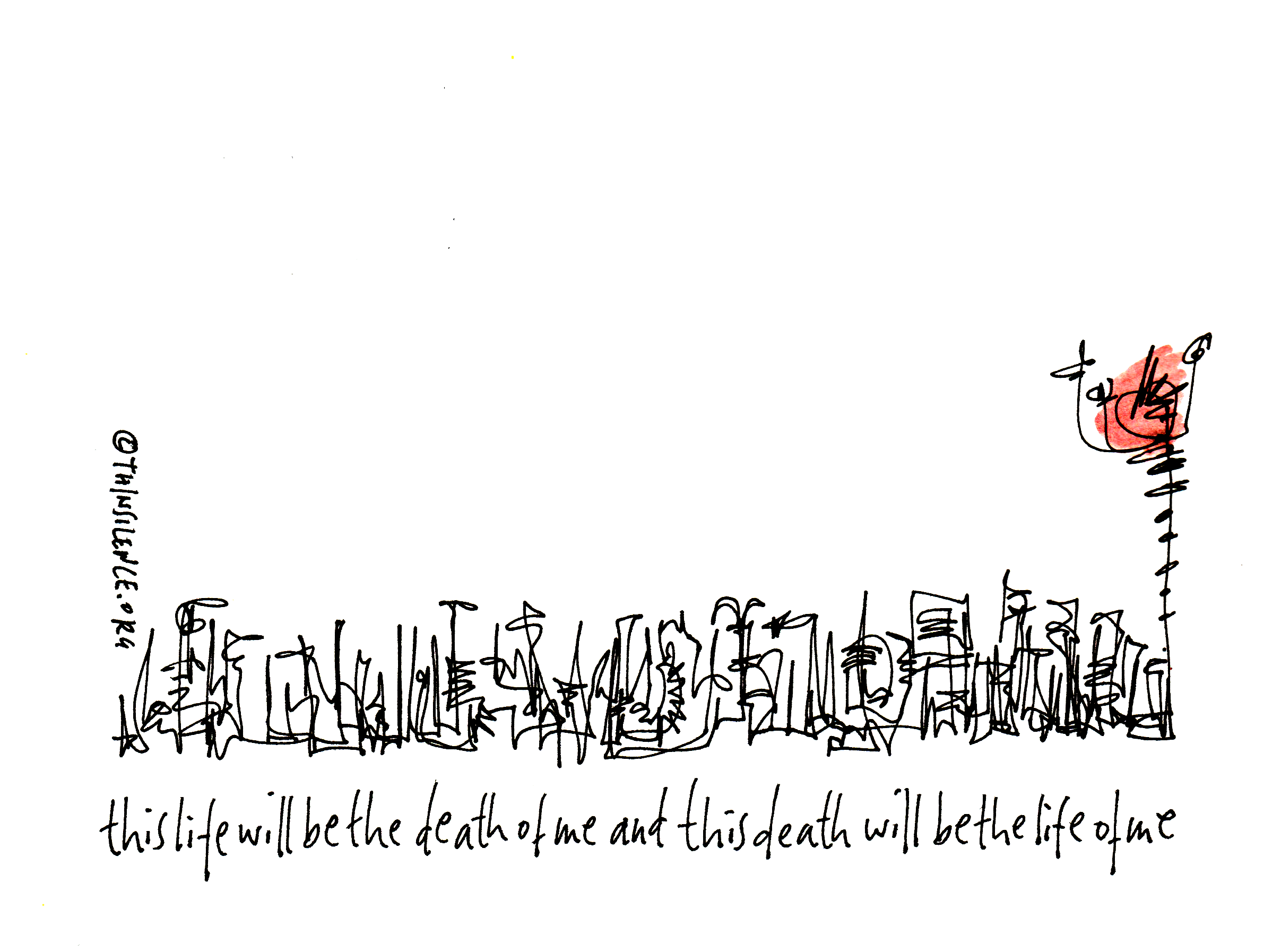
The secret cause of all suffering is, of course, mortality itself, which is the prime precondition of life, so is indeed “grave and constant.” It cannot be denied if life is to be affirmed.* Joseph Campbell
What does matter is that you give everything, because anything less is to cheat the gift. The gift of your potential. The gift of the opportunity. The gift of the craft you’ve been introduced to. The gift of the responsibility entrusted to you. The gift of the instruction and time of others. The gift of life itself.** Ryan Holiday
We all have our limitations – Even those who think they have none have plenty – And the inescapable greatest of these is our mortality, Yet these restraints shape our lives profoundly and even wonderfully: I don’t have many years, so I will use them as best I can, I am not as talented as so many others, but I will continually develop what I can do, I am not the best person I can be and yet I remain capable of transcendence, I can’t do everything, though I can do some things; I sometimes wonder whether, If I had more years, would I waste them? If I was more talented, maybe I’d cruise rather than practise? If I was a better person, perhaps I’d cease my struggles and doubts? If I could do more things, would I miss the right thing? – Limitations are our whetstone for sharpening all the gifts we have, Together they provide a playground of possibilities.
Look around you, and perhaps make a list of fifty of the gifts in your life – Just for starters.
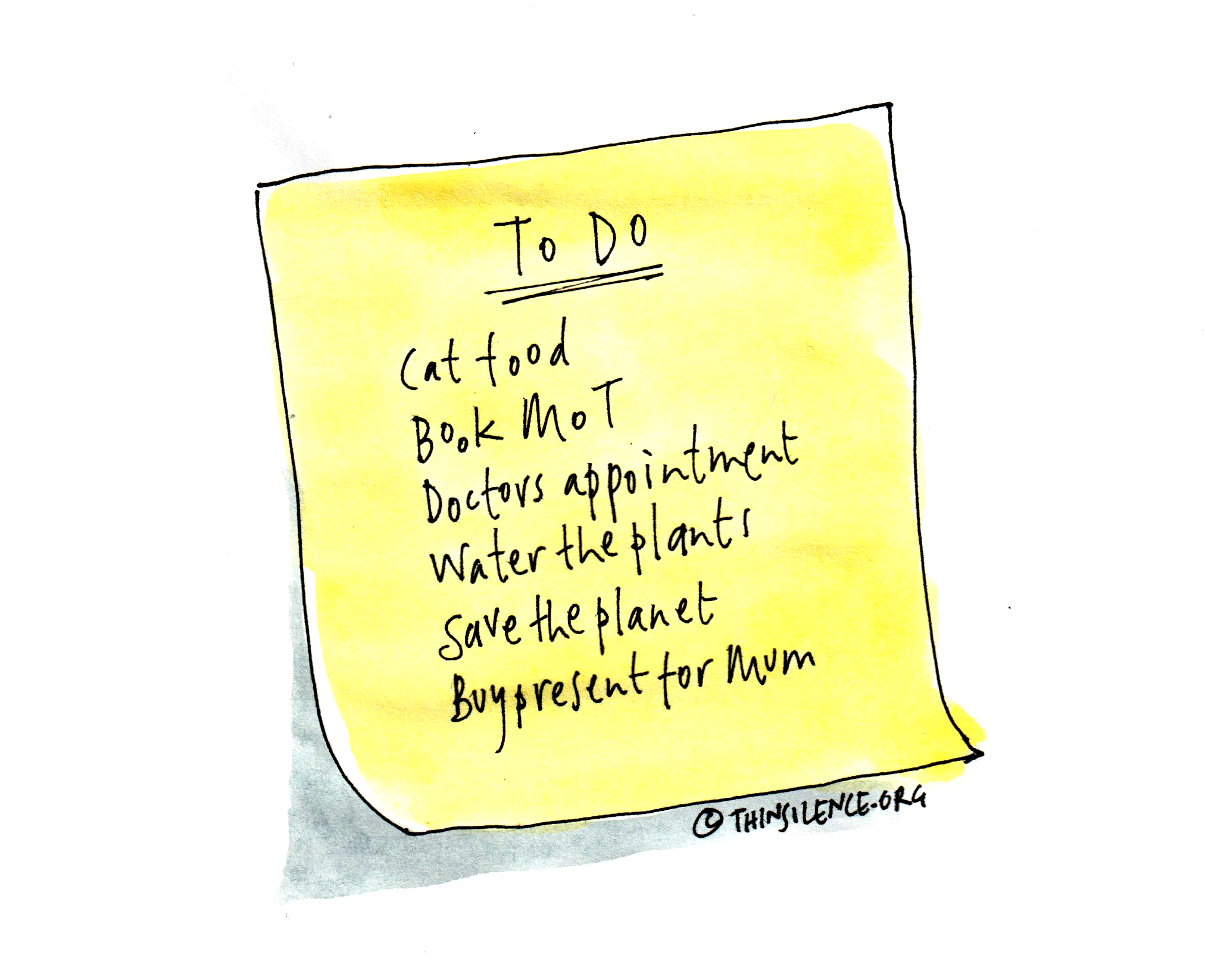
That’s how you’re going to save the world – with your own gifts and talents.* Ken Sleight
Everything in life is a team sport.** Ryan Holiday
As far as we know, the multiplicity of species that live together on this planet are the only complex forms of life in our galaxy, and maybe even the universe, And yet we live at a point in which our world may become inhabitable, wiping life from the face of the universe.
Humanity must find a way to change the narrative that currently leads to the edge of a precipice. Your art and mine is to author our own lives.^
You have your day job, but, if you will, You are a superhero who has found your way to Earth with powers and abilities that can help save the planet – It is unlikely that any of us have one all-encompassing plan for how this will be accomplished, but we do have our little plans that mean, Together, we can make a not insignificant difference, and yours is …
Without perception of the unique meaning of their singular existence a person would be numbed in difficult situations.^^
The happiest people don’t necessarily have the best of everything, but they make the most of everything.* Sam Cawthorn
very happy people know a secret: a human being has a ridiculous amount of personal agency** Donald Miller
It seems that happiness is a choice as much as it is an emotion – In the movie Marvellous, a true story, the hero Neil Baldwin announces “I always wanted to be happy so I decided to be.”
This is a challenge to me, But if it means I choose to make the most of everything and to explore the fullness of human agency for the benefit of others then count me in.
The fire within us can burn bright enough to warm others. The light within us can illuminate the paths for others.^
Maybe your life will work. Most likely it won’t at first, but that will give you poetry.* Yrsa Daley-Ward
Occasionally, even today, you come across certain people who seem to possess an important inner cohesion. They are not leading fragmented, scattershot lives. They have achieved inner integration. They are calm, settled and rooted. They are not blown off course by storms. They don’t crumble in adversity. Their minds are consistent and their hearts are dependable. Their virtues are not the blooming virtues you see in smart college students; they are the ripening virtues you see in people who have lived life a little and have learned from joy and pain.** David Brooks
Thank you that this life is not nature-only, but also nurture; Thank you that we have a becoming, as well as a being, For endlessness, the infinite found in the present; Thank you for our capacity to befriend our pain and grow.





 THIN|SILENCE
You must be logged in to post a comment.