The “adjacent positive” is theoretical biologist Stuart Kauffman’s wonderful term for all the myriad paths unlocked by every novel discovery, the multitude of universes hidden in something as simple as an idea.* Peter Diamandis and Steven Kotler
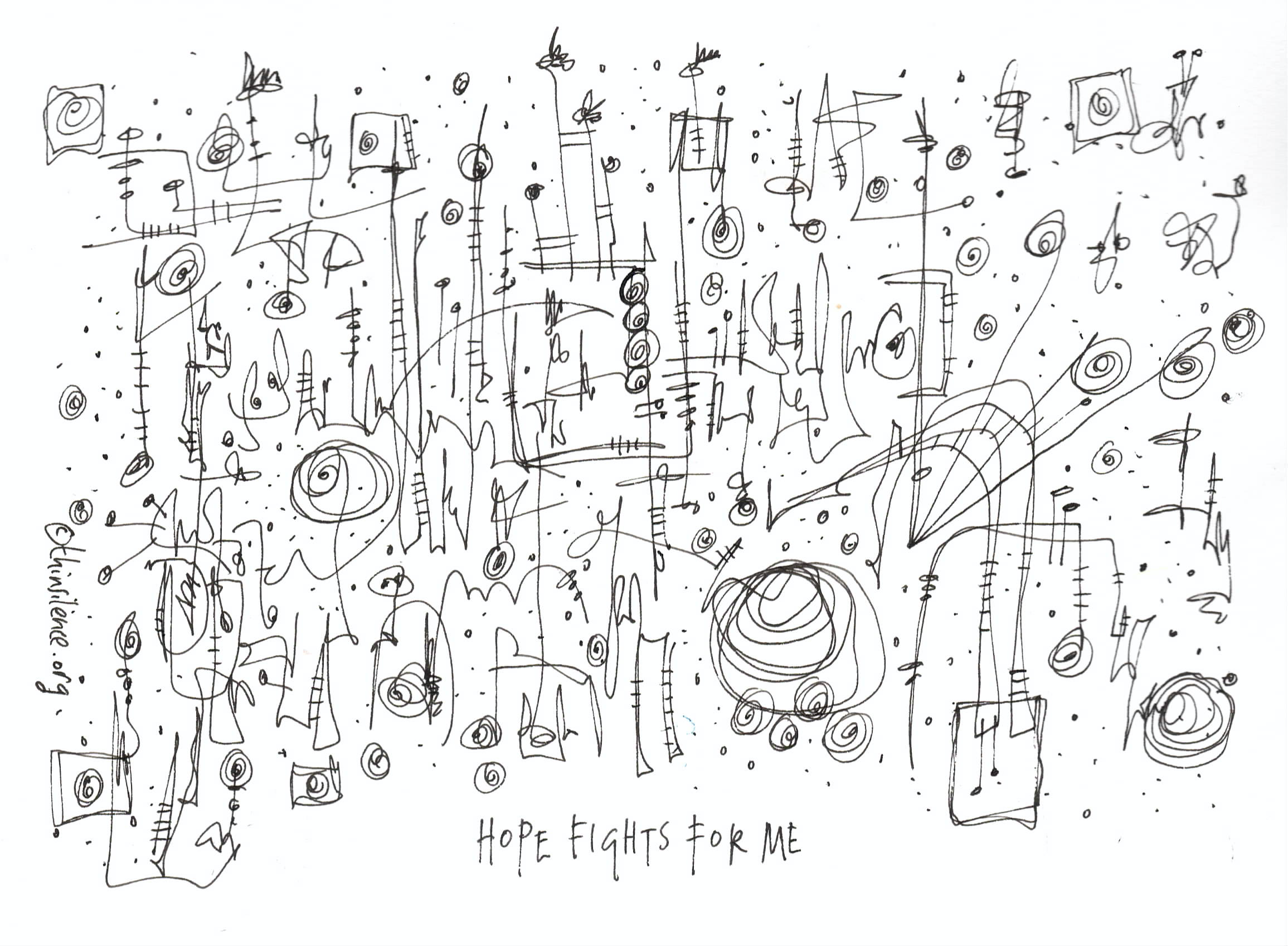
The three postgrad students were hoping to find the mindful journaling session, But it wasn’t happening where the freshers app said, So we created our own session, And this phrase, Hope fights for me, Was what it came to me out of the mindful doodling we included. Hope isn’t waiting for something to happen, Or not; It’s actively working towards an anticipated future possibility.
In life one cannot awaken often enough the sense of a beginning within oneself. There is so little external change needed for that since we actually transform the world from within our hearts. If the heart longs for nothing but to be new and unlimited, the world is instantly the same as on the day of its creation and infinite.** Rainer Maria Rilke
It’s simple logic: if you don’t walk your true path, you don’t find your true people.^ Martha Beck
I love recommending books (And I have some books to give away as a thank you to those who have signed up to Thin|Silence – More information below). The trouble is that I don’t read one book at a time, And the things I’m appreciating and taking away from the reading are the cumulative affect of quite few authors who are helping me keep on my path. Indeed the path seems to be punctuated by the next book or books. Yesterday, I read Austin Kleon’s description of his own reading methodology:
Looking back, one of the things that occurs to me is how my deep influences are not necessarily a matter of a single book, but of a cluster of books – some batch of books that were read in sequence or simultaneously that spoke to each other in a particular way that made a maximum impact.^^
In my own practice, I identify a main read – At the moment it’s Dorie Clark’s The Long Game – And aim to get through twenty pages each day, Capturing significant quotes in my journaling. Around this, I hope to turn a page in several other books, And am often surprised by overlapping or juxtaposing thoughts. I add some reading of blogs – My “blog tribe” is growing and at the moment I have more than 300 blogs to slowly make my way through. A different mix of books and blogs produces different thoughts that I need because they help me to change my heart and keep me on my path.
(I’ve had to make space for my latest books so I am giving away around 20 books. The titles will appear in my blog posts over the next week, Including how to request one or a cluster.)
I cannot find any patience for those people who believe that you start writing when you sit down at your desk and pick up your pen and finish writing when you put down your pen again; a writer is always writing, seeing everything through a thin mist of words, fitting swift little descriptions to everything he sees, always noticing. Just as I believe that a painter cannot sit down to his morning coffee without noticing what colour it is, so a writer cannot see an odd little gesture without putting a verbal description to it, and ought never to let a moment go by undescribed.* Shirley Jackson
those who produced and traded in colours were known as colourmen, and procured rare pigments from across the globe** Kassia St Clair
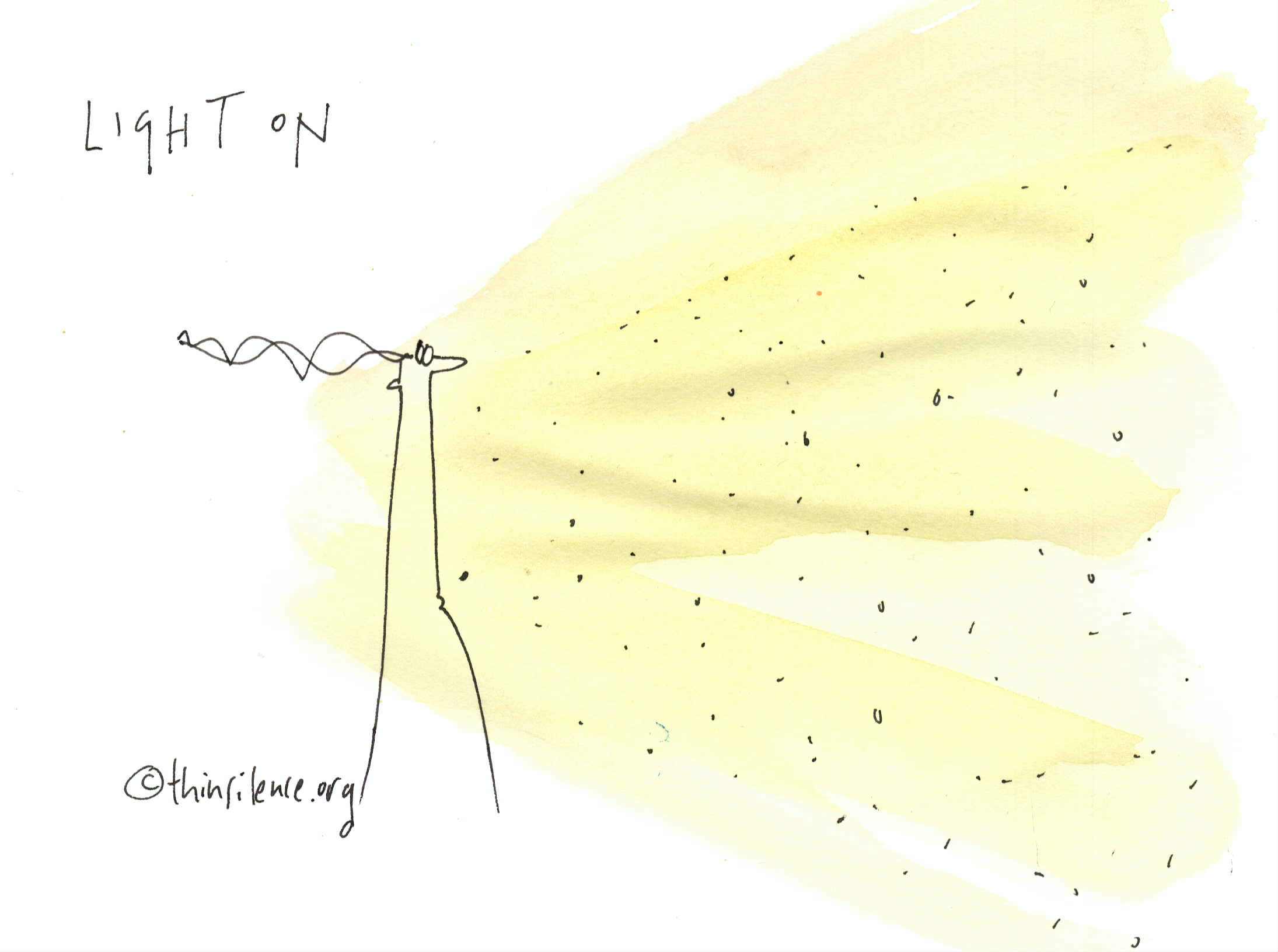
On reading Kassia St Clair’s words a year ago I journaled, I think I would like to be a colourman bringing out the colours in people’s lives. It’s not only writers and painters who are “always on,” Their particular “light” highlighting everything they encounter in their essential way, Take a closer look at yourself – Inside as well as outside^ – And you will most likely spot your dominant light. There I go again, The colourman, Wanting to help you notice your palette.
We call this, “landing the idea.” Once your idea is out of your head and onto a piece of paper (we prefer paper to pixels on a screen), you can have a proper look at it and get to work on it. Martin Amor and Alex Pellew
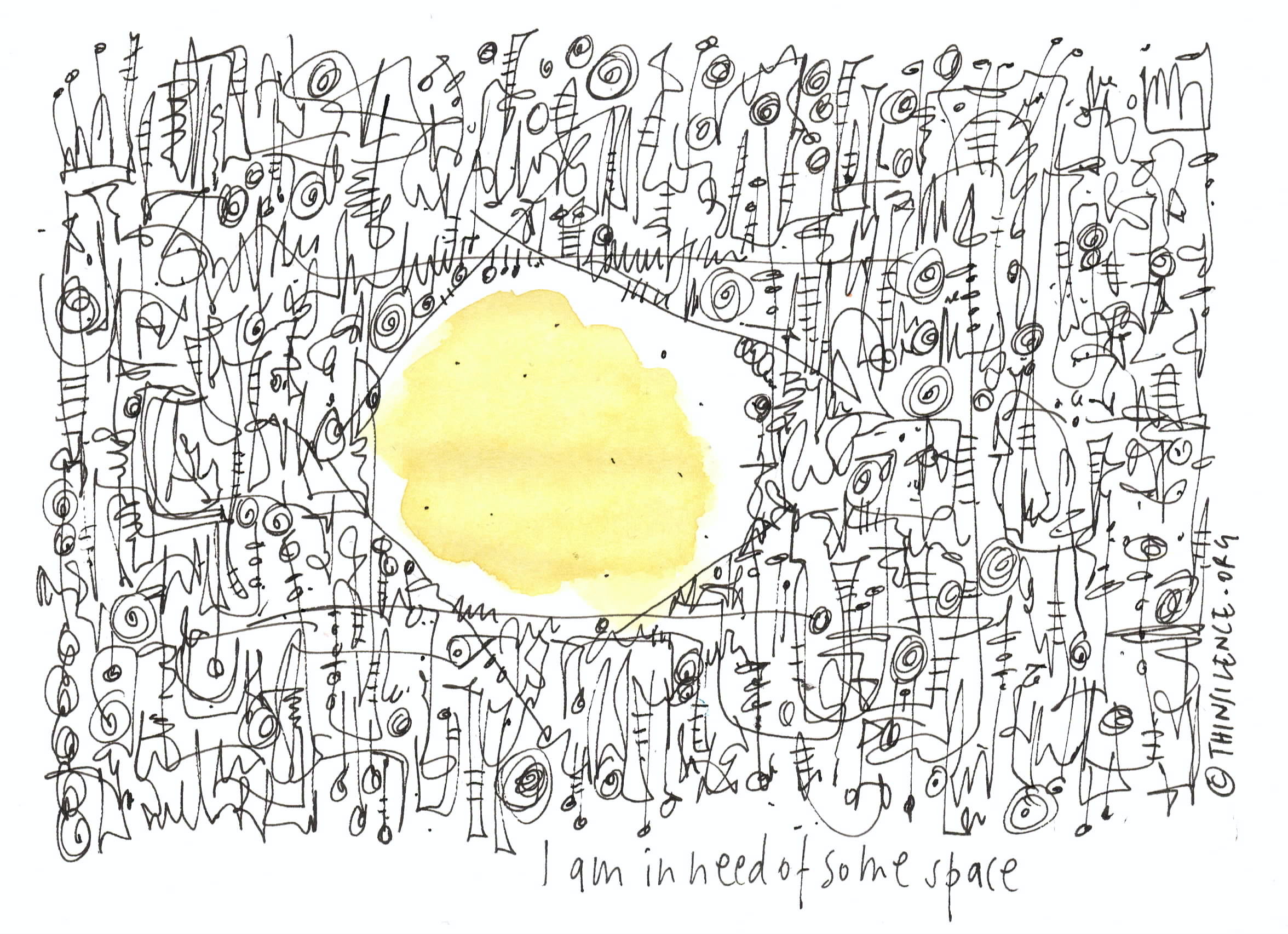
An idea is a form of presence – Something that could happen with commitment and investment. For this, Ideas need space – To be able to move from the mind to the heart and onwards into action. I know this full well because, This morning, I was seduced by emails and setting up meetings, Bread and circus being replaced by dopamine and serotonin these days. As Hugh Macleod has noticed,
Good ideas have lonely childhoods.^
And Captains Kirk, Picard and Archer may well be right, Though with a little twist from Baines: Space to explore in, Rather than exploring space, Could well be a redefining frontier for us.
you open an old can of pork and beans and found a genie inside who said – Boy, it is great to be out of that can!! Thank you! In return I would like to release you from your can.* Lynda Barry
A new colour on a box doesn’t revolutionise anything, and it won’t last. But it’s easy, and it might marginally improve outcomes right now.** Dorie Clark
I’ve heard the phrase “half a decade” used several times over the last couple of days, identifying a significant period of time. After all, It’s 50% of a decade, And ten years does gets to have its own special name! A decade is also identified as being Equivalent to 10,000 hours of deliberate practice, So, If my maths are right, There could be 5,000 hours of deliberate practice wrapped up in five years. That makes for a lot of change, Though change is never easy, And tends to be time-consuming, So adding a different colour to the can or to the box we find ourselves in is way more easy, Even attractive, Until we realise that it leaves us right where we are. Seth Godin writes,
The same life story can be told i many ways, and the way we tell it changes who we are and who we become.^
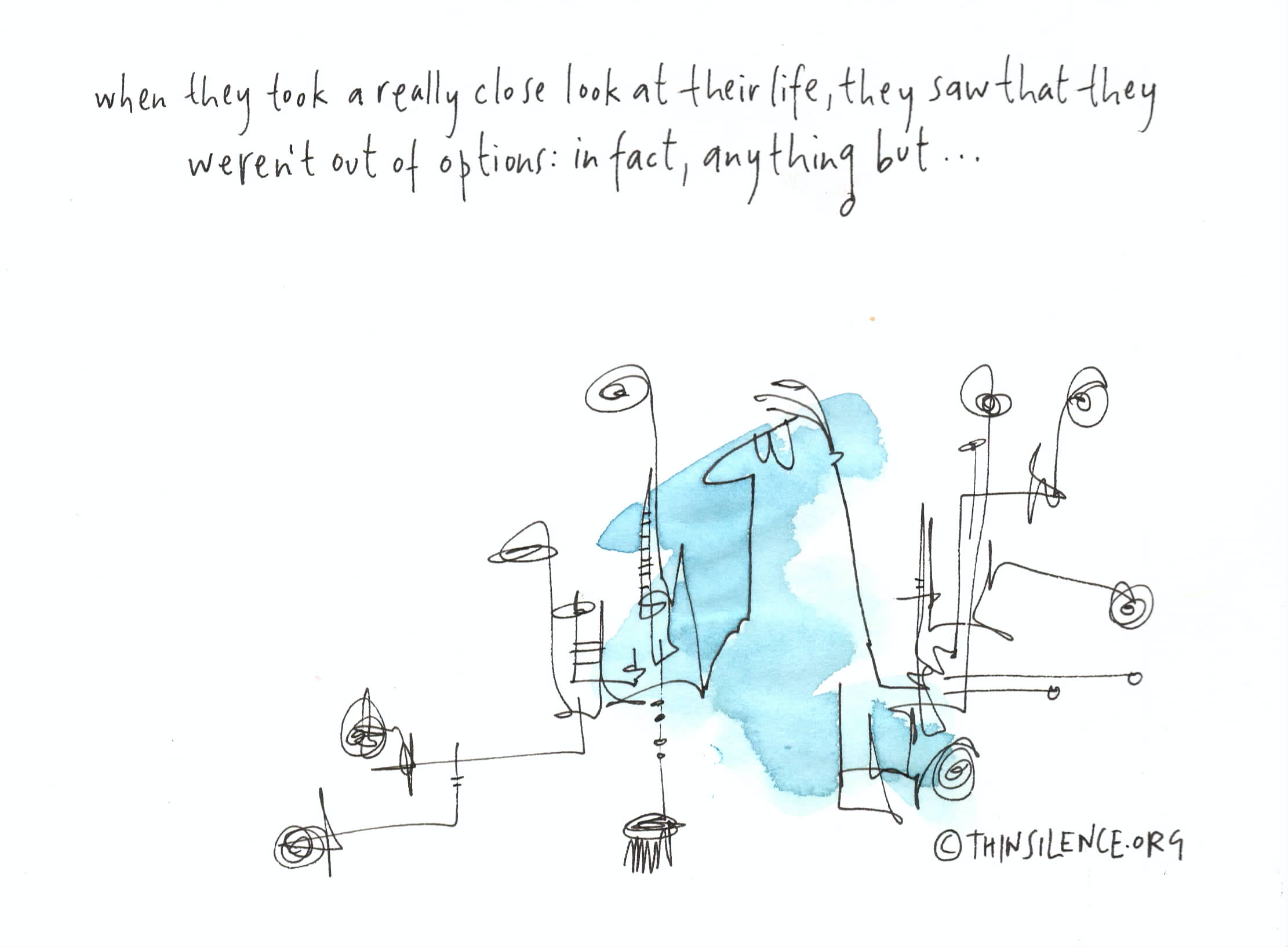
Inside each of your lives there are many adjacent possibilities to explore.
Following our curiosity into interest and then into passion, And pursuing this for the next five years – Because life is a long game – Is not guaranteed to lead to fame or fortune, Or even a living, But may well leave us feeling utterly alive.
the very traits that steer us toward certain life situations are the very same traits that those situations encourage, reinforce, and amplify* Angela Duckworth
God … will himself restore, support, strengthen, and establish you.** The Apostle Peter
Although Angela Duckworth doesn’t use the term, She is describing what I refer to as an enriching environment. My enriching environments will be different to yours and yours to mine, But we will know them because of how they encourage, reinforce and amplify the best in us, Whilst also making it possible to encourage, reinforce and amplify the environments, Especially for the sake of others:
Don’t chase success. Instead, chase new and interesting ways of solving other people’s problems.^
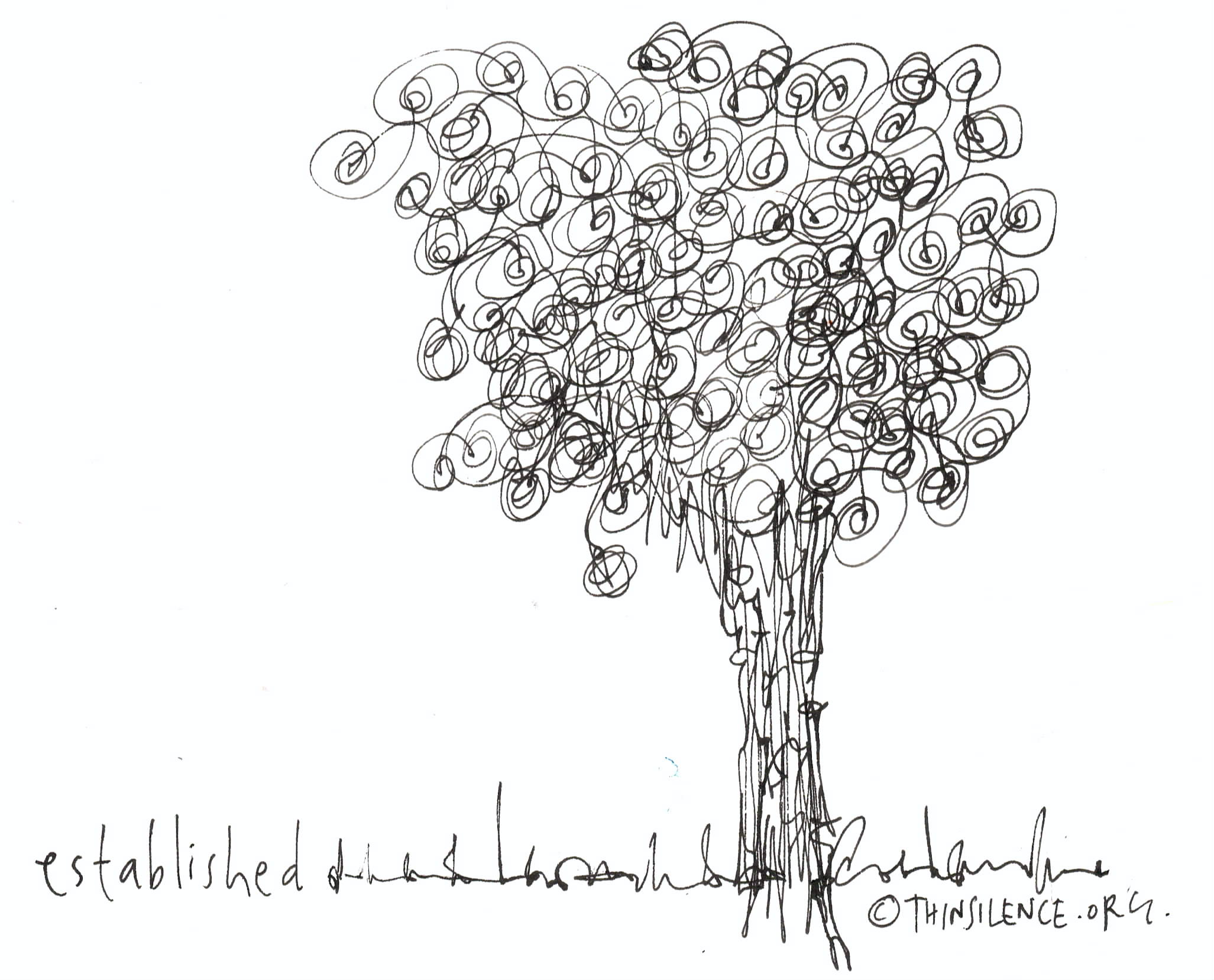
Duckworth’s insight is anticipated in the words of the apostle Peter, Which I came across this morning. You don’t have to believe in a god to see the value of having places in which you can be restored and supported and strengthened, Leading to the kind of establishment that is not about fixedness, But is about health and growth.
“I’m not that smart.” Someone said that to me the other day and it was heartbreaking.** Seth Godin
While finite games are externally defined, infinite games are internally defined.^ James Carse
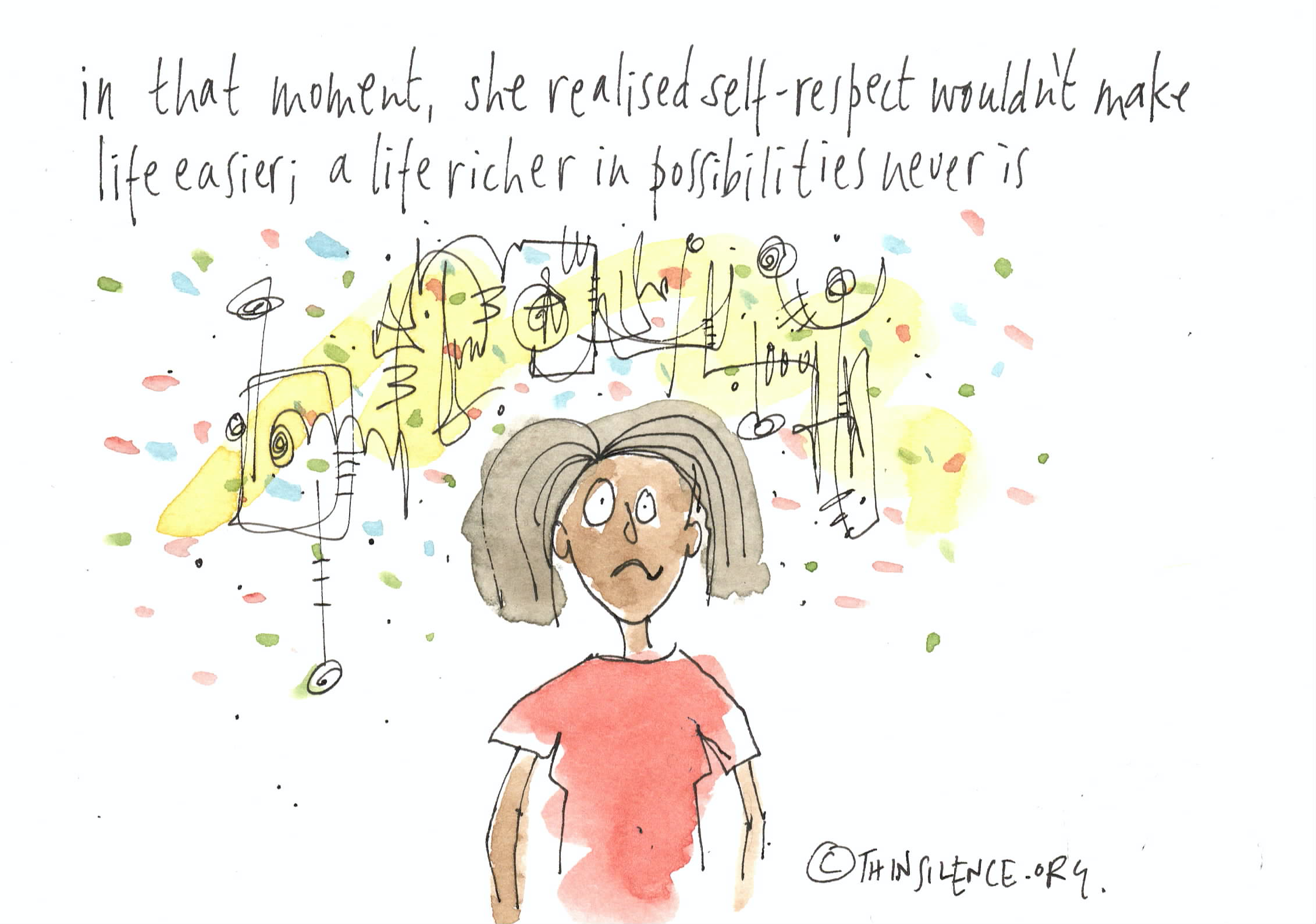
Please respect others, Deeply respect the world, But don’t forget to respect yourself.
Here’s why a lack of self-respect is heartbreaking for Seth Godin:
The correct thing to say is, “I don’t care that much.” I don’t care enough to do the reading, to fail along the way, to show up, to make a promise, to learn as I go, to confront failure, to get better at the work. All of that might be true. But you’re almost certainly smart enough.*
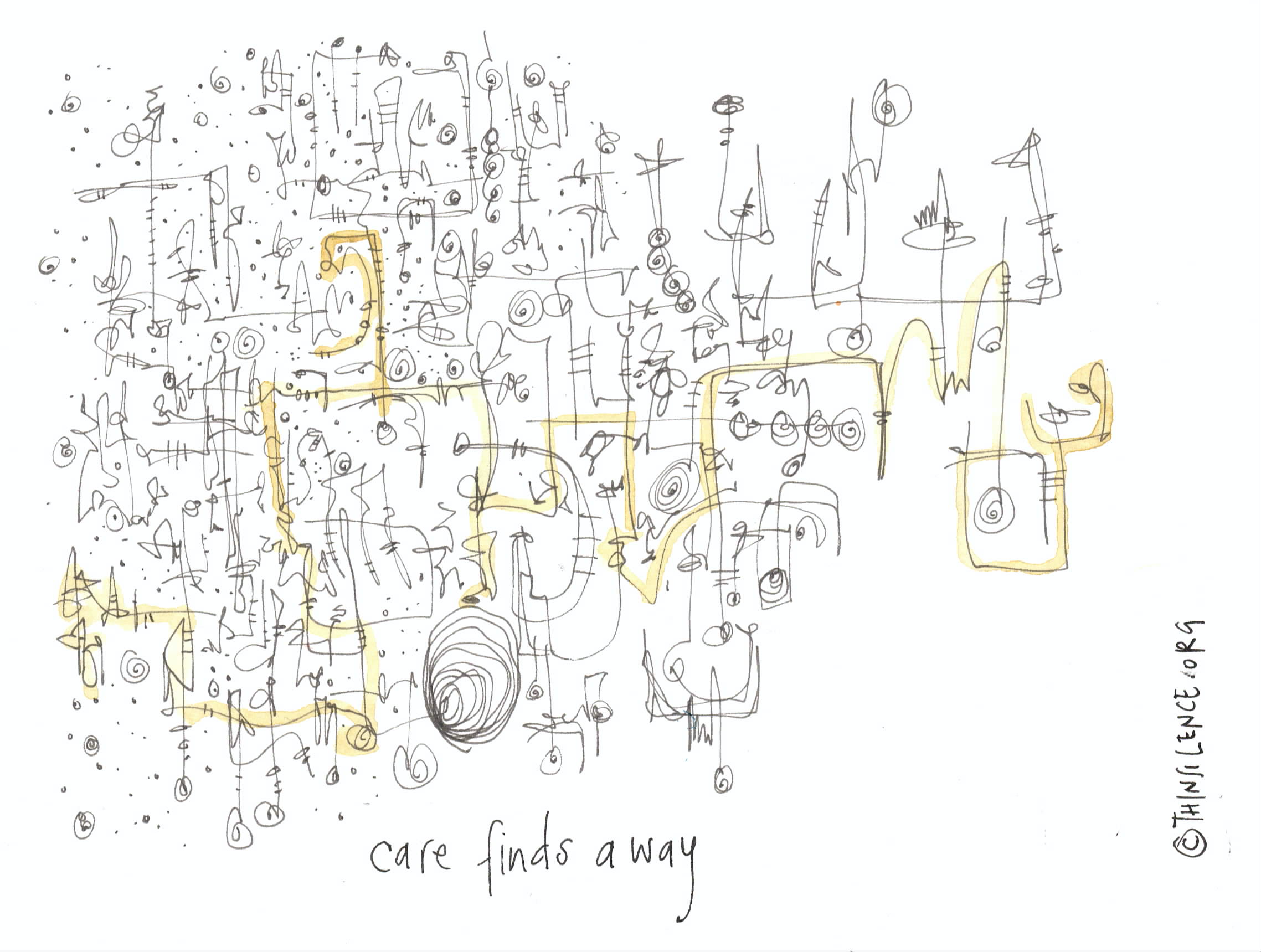
Self-respect doesn’t mean easy; It does mean putting ourselves on the hook.



 THIN|SILENCE
You must be logged in to post a comment.