
If we go down to ourselves, we find that we possess
exactly what we desire.*
Simone Weil
*John O’Donohue’s Divine Beauty.

If we go down to ourselves, we find that we possess
exactly what we desire.*
Simone Weil
*John O’Donohue’s Divine Beauty.

It turns out that acute angles, rough edges and the imperfect matches of diversity actually make things work better. Especially when we’re dealing with humans.*
Seth Godin
This drive for equilibrium becomes the character’s super objective.**
Robert McKee
Apparently, we enter
the state of flow when we are four per cent beyond
our familiar and comfortable;
We may desire equilibrium, but
it isn’t where we do our best work and, perhaps,
Living.
*Seth Godin’s blog: Cobbled together;
**Robert McKee’s Character.

A myth was an event which, in some sense, had happened once, but also which happened all the time.*
Jean Houston
Think of the whole universe of matter and how small your share. Think about the expanse of time and how brief – almost momentary – the part marked for you. Think of the working of fate and how infinitesimal your role.**
Marcus Aurelius
The myth we forge for ourselves is not
the telling of some achievement in our past, rather,
For myths to do what myths do best –
the exploration of life-in-all-its-fullness for the sake of others –
They must serve us each day in an unfolding way;
For this it must contain scale –
An honest understanding of who we are and what we can do –
And an embracing of our imperfection –
We are limited, but that is part of the challenge and
the adventure –
We can’t do everything, but
this provides us with focus for our
energy, resulting in mastery and
satisfaction and fulfilment.
If all people were perfect, then every individual would be replaceable by anyone else. From the very imperfection of people follows the indispensability and inexchangeability of each individual; for each is imperfect in their own fashion. No one is universally gifted; but the bias of the individual makes for their uniqueness.^
*Jean Houston’s A Mythic Life;
**Ryan Holiday’s The Daily Stoic;
^Viktor Frankl’s The Doctor and the Soul; I have altered the gender to be more inclusive – words in italics).

Everyone needs more chances, more benefit of the doubt, more opportunity. But what turns a chance into a big break is what we do with it once the chance arrives.*
Seth Godin
You are anything but impotent, you are, in fact, exquisitely and frighteningly dynamic, as are we all, and with all respect you have an obligation to stand up and take responsibility for that potential. It is your most ordinary and urgent duty.**
Nick Cave
Humility:
You and I did nothing to be here;
Grateful:
We can be thankful, realising how much we have;
Faithful:
Small acts and steps made of humility and gratitude.
And when things go wrong,
Embrace the chance, the opportunity to start over, and
begin again, differently, but
humbly,
Gratefully,
Faithfully.
*Seth Godin’s blog: What to do with our chance;
**Nick Cave’s Red Hand Files: #216.

One of my core beliefs is that human potential is one of the only infinite resources we have in the world. Most everything else is finite, but the human mind is the ultimate superpower – there is no limit to our creativity, imagination, determination, or ability to think, reason, or learn.*
Jim Kwik
My fascination with genius and my openness to God were both rooted in a desperate search for something to translate my life from the mundane to the transcendent.**
Erwin McManus
The human mind is quite something, the
human soul even moreso –
You and I have so much more still to explore.
*Alexander McManus’ FutureU;
**Erwin McManus’ The Genius of Jesus.
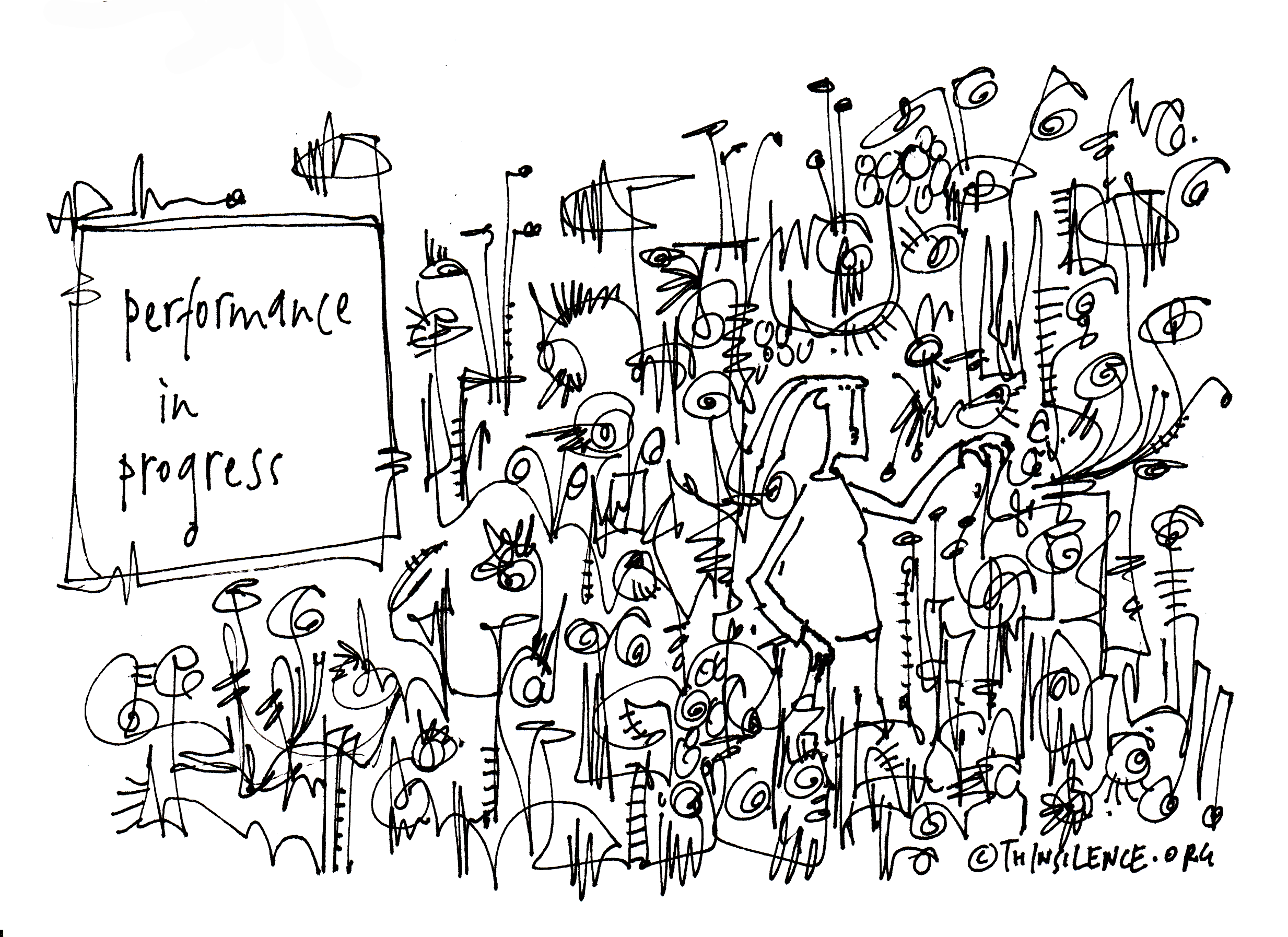
Prosody (n) the patterns of rhythm and sound used in poetry; the patterns of stress and information in a language
The what if always springs from what is known. The writer understand that it may take the mavericks rather than the beautiful people to overcome great odds because every work of art is the discovery of a new planet, and it may well be a hostile one.*
Madeleine L’Engle
There are more than we know, and
you may be one of them –
To live prosodically is to be what if
rather than what is people, to be “on the hook”
when it comes to being who we are and
what we can do, to be an unfolding story
rather than some finished tome.
To be an artist is to be on the hook, to take your turn, to do the thing that might not work, to see connection, to embrace generosity, to change someone, to be human.**
*Madeleine L’Engle’s Walking on Water;
**Seth Godin’s It’s Your Turn.
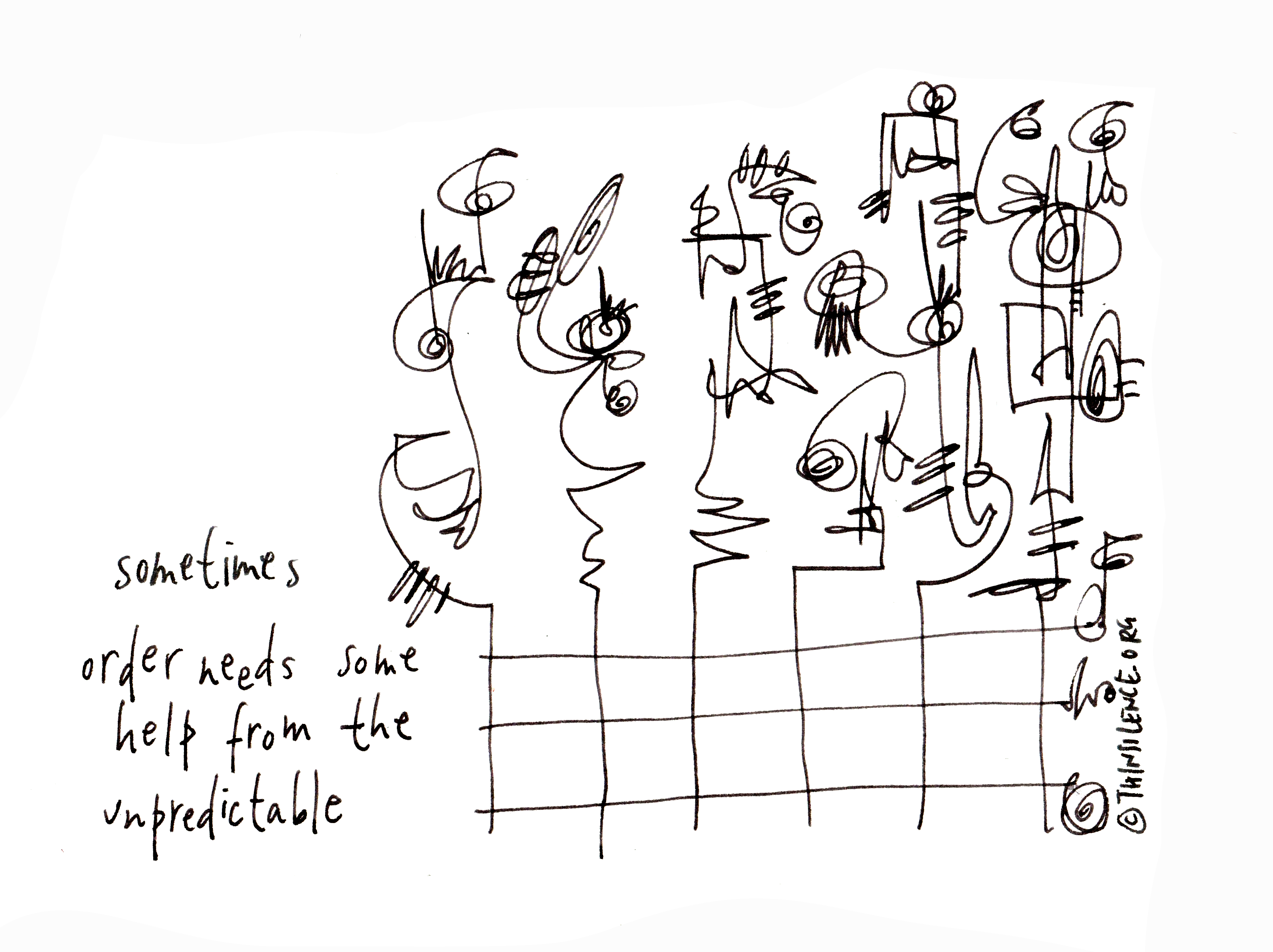
I learned to appreciate both certainty and uncertainty. Both are necessary the world. Both are part of being human.*
Alan Lightman
*Alan Lightman’s A Sense of the Mysterious.
It is the nature of the earth and our dust to be in constant contact with the impulse of life. If we listen, we will hear the continuous tread of love, moving up our limbs like sap, like an electric current impelling us as we to “stir and step out.*
M. C. Richards
*M. C. Richards’ Centering.
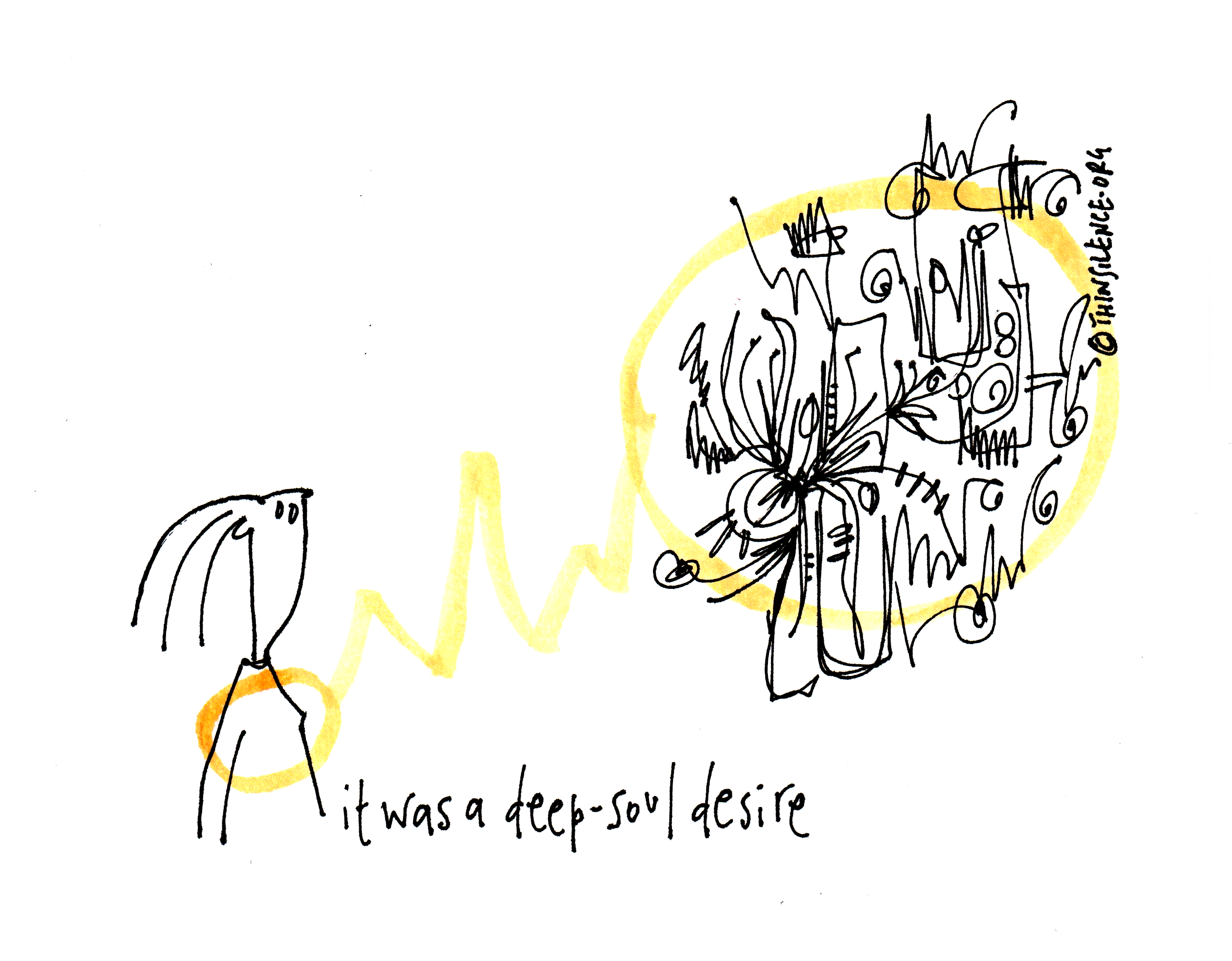
You have the right to remain silent. But I hope you won’t. The world conspires to hold us back, but it can’t do it without our permission.*
Seth Godin
Circumstances, when combined with visions and dreams, can call forth extraordinary powers from within an ordinary person.**
Alexander McManus
There are many voices wanting to prevail:
Stop!
You can’t
You mustn’t
Do this, not that
This isn’t the time
This isn’t the place
You’re not the right person.
If what you hope for comes
from your deep soul,
Then do not listen;
Yes, there are historical, geographical, sociological, technological
shapers of our contexts,
Circumstances that we are responding to, but these
shape our stories rather than
quash them.
A well-written story elicits two key responses from an audience …
Curiosity …
Concern …^
Here are two signs that you have your deep-soul story:
Fascination that fuels you forward,
Concern to make things better for others:
These are your permission.
*Seth Godin’s The Practice;
**Alexander McManus’ FutureU;
^Robert McKee‘s newsletter: Are You Giving the Audience What it Needs?
The art of being wise is the art of knowing what to overlook.*
William James
“Hayah asher hayah.” Those words are mistranslated in English as “I am that which I am.” But in Hebrew, it means “I will be who or how or where I will be,” meaning, Don’t think you can predict me.**
Jonathan Sacks
We are all capable of
glorious unpredictability –
The only thing to beware is
unpredictability goes down and
predictability goes up if
we try to do and be
everything.
*Oliver Burkeman’s Meditations for Mortals;
**Krista Tippett’s Becoming Wise.


You must be logged in to post a comment.