For your talent to fight above its weight, it needs to bulk up on knowledge.* Robert McKee
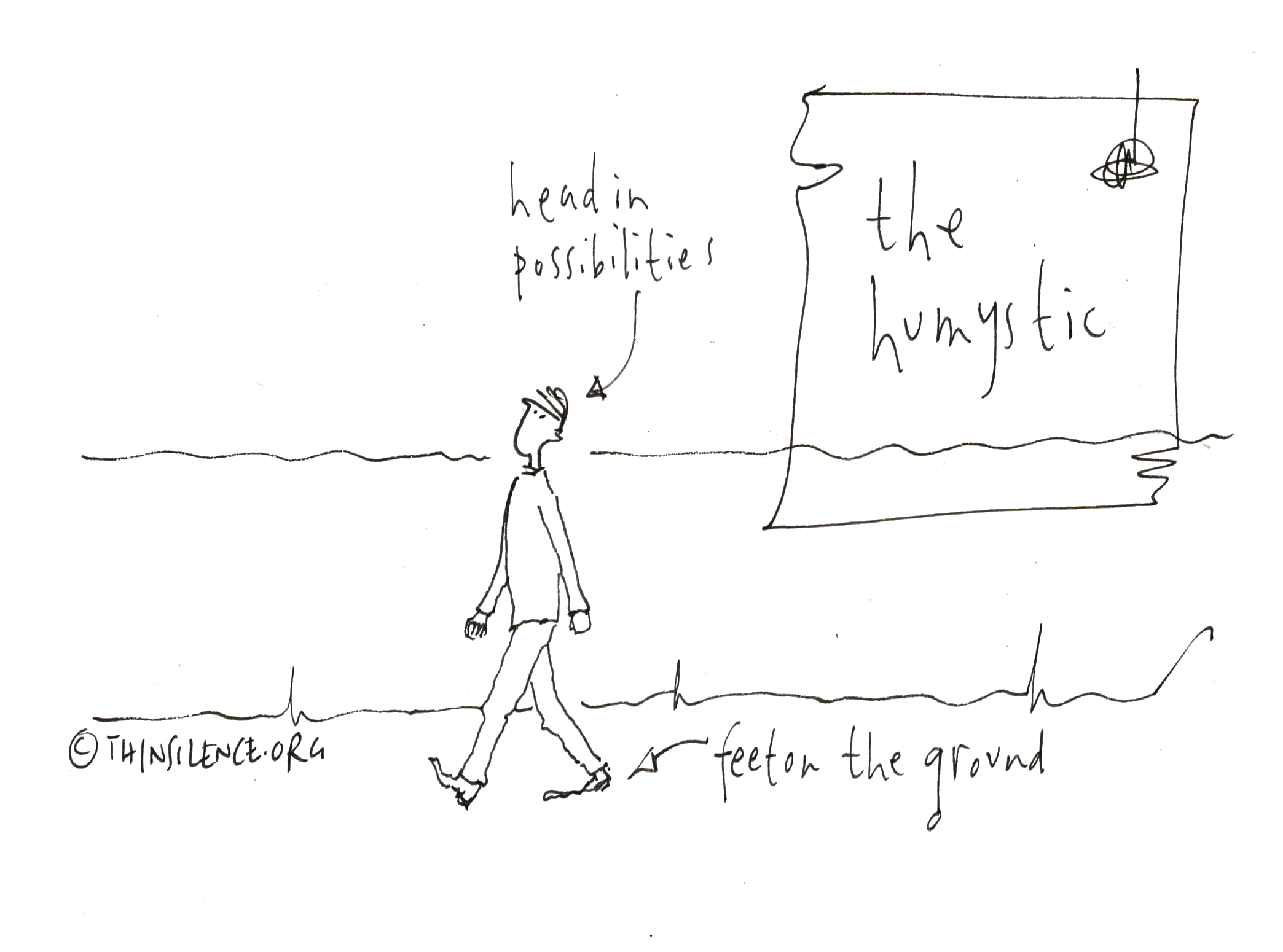
in indigenous ways of knowing, we understand a thing only when we understand it with four aspects of our being: mind, body, emotion, and spirit** Robin Wall Kimmerer
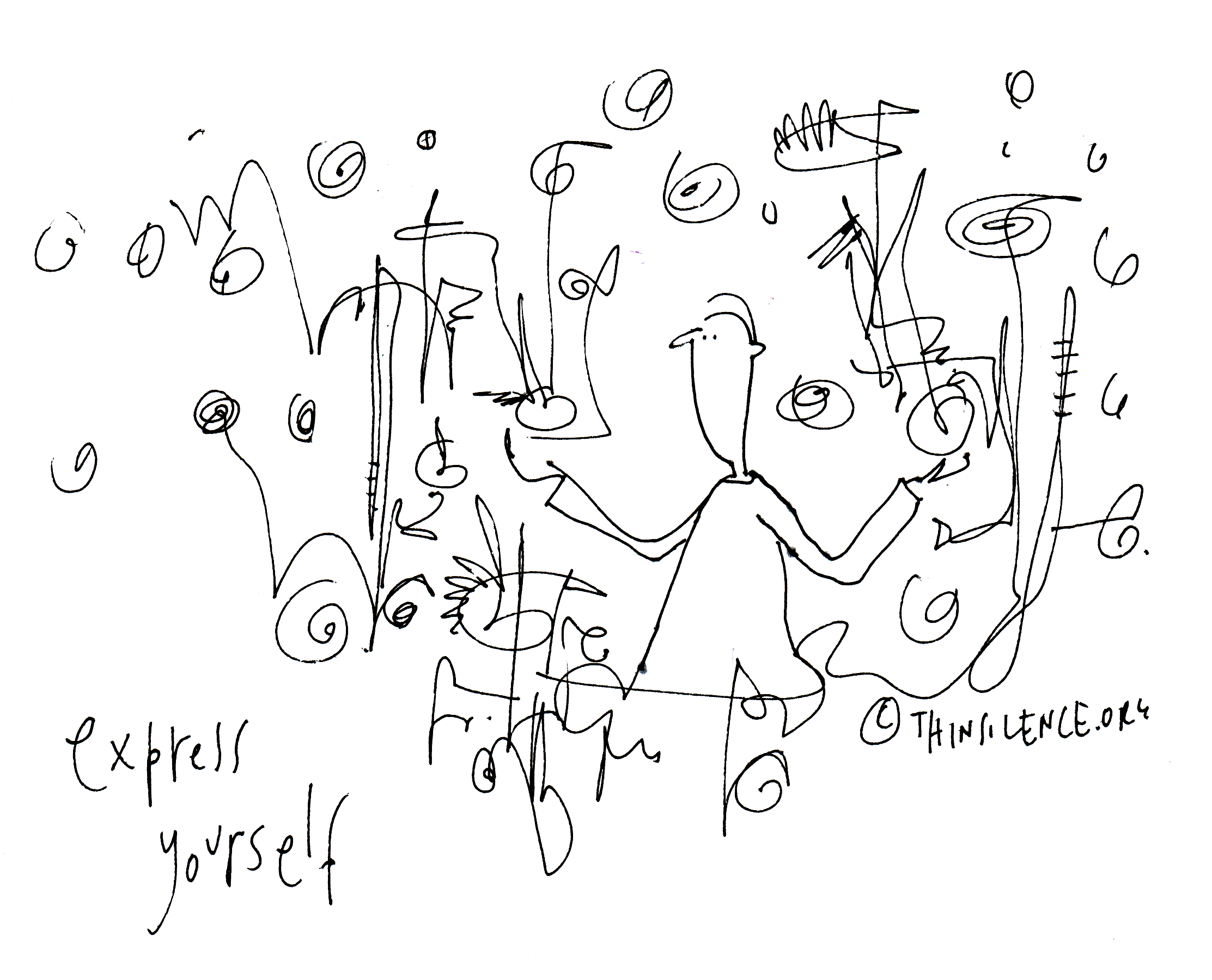
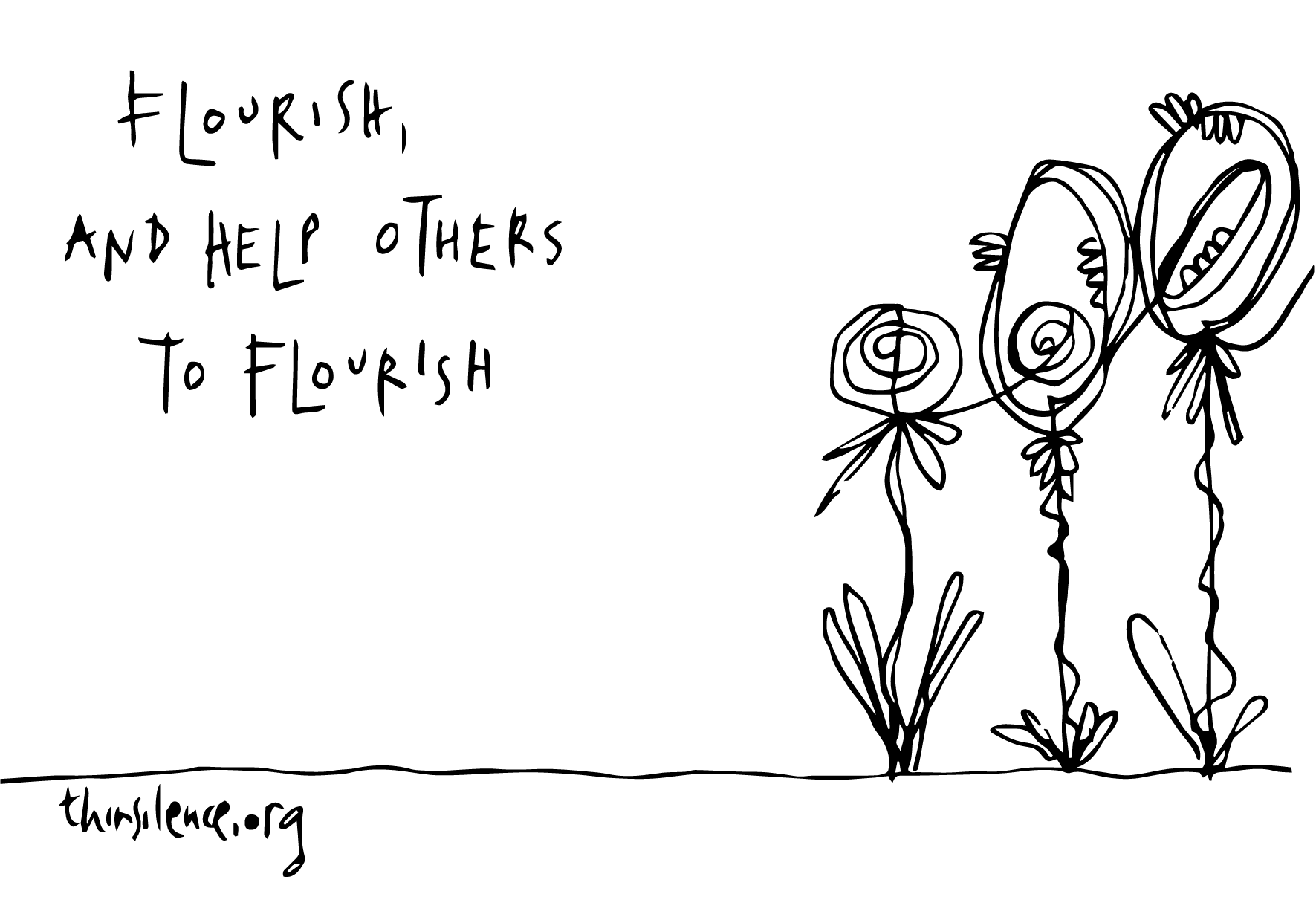
A talent is a lyric waiting for a tune, When increased through the knowledge of heart and soma and spirit, as well as mind, it becomes a mighty composition, An embodied song of joy for the benefit of others.
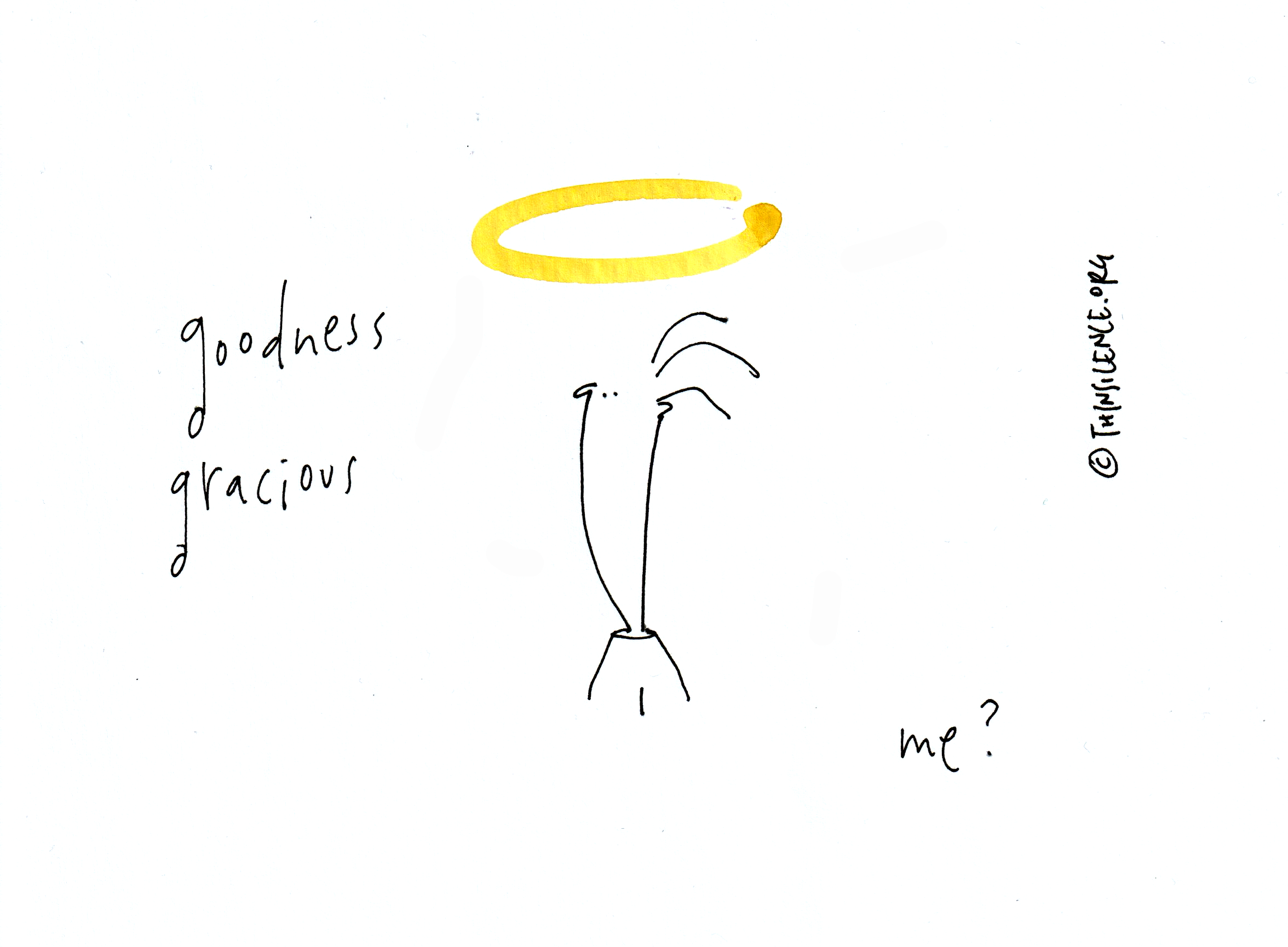
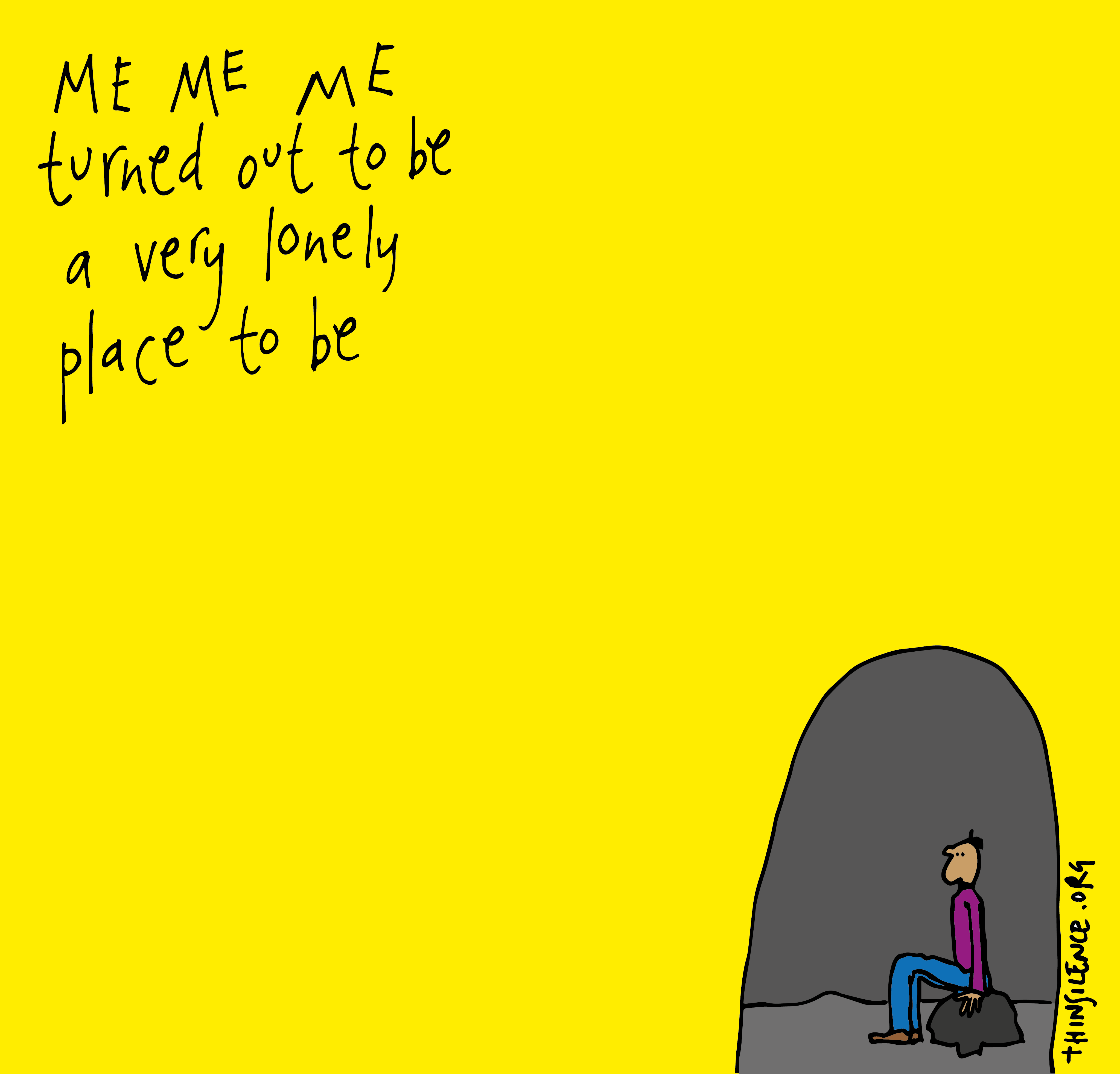
doing good was our greatest source of happiness* gapingvoid
What’s would you do if you could not fail? … What would you do even though you might fail?** Bernadette Jiwa
What a neat trick: Happiness follows doing good, The same goodness that keeps us on track no matter what.
Goodness is a part of who we are: Evolution has produced a mind that evolves towards an appreciation of the vastness of our collective design, and emotions that enable us to enact these loftier notions. We are wired for good.^
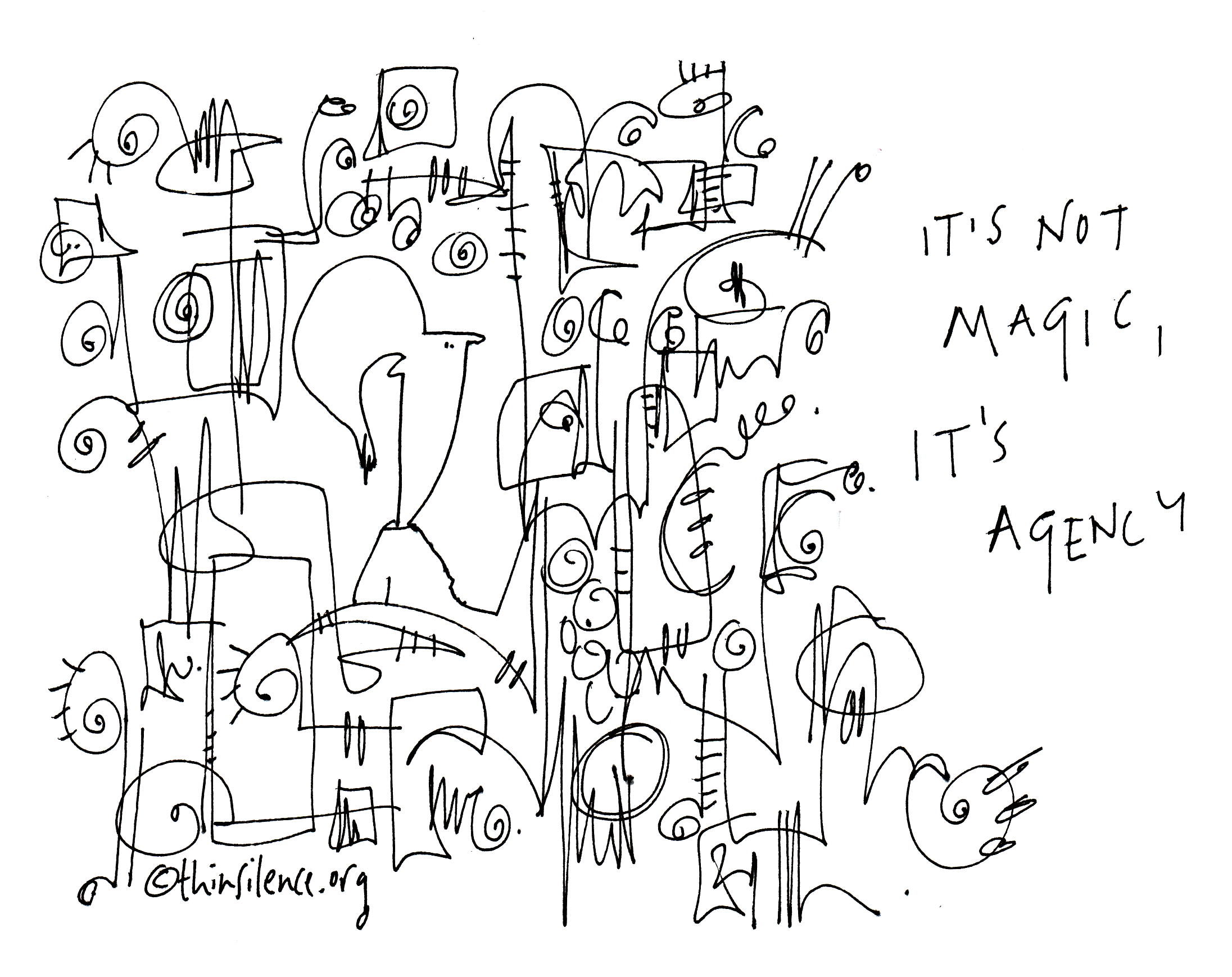
Because you can only create from what’s already in your mind, your work is strictly limited to the contents of your unthought thoughts.* Robert McKee
It’s a good thing reality isn’t limited by your imagination. It’s a good thing reality doesn’t mirror your imagination. The fact that you can imagine a different reality, and set your path toward it, is a miracle.** Gabe Anderson
I may feed my body with the same breakfast of porridge every day, But I aim to feed my mind – and my imagination – with a mélange of thoughts and ideas; Our imaginations will work with what it finds in our minds, For good or bad: The mind takes the shape of whatever it rests upon – or, more exactly, the brain takes the shape of whatever the mind rests upon.^
There are so many thoughts and ideas out there, so where to begin? – Following our curiosities and interests is always a good place to start, but don’t only focus on the centre of these, rather pay attention to what you find on their edges, then dive into these, always noticing what appears on their edges, And on.
Once inside the imagination all manner of inexplicable things occur. Time gets loopy, the past presses itself against the present, and the future pours out its secrets.^^
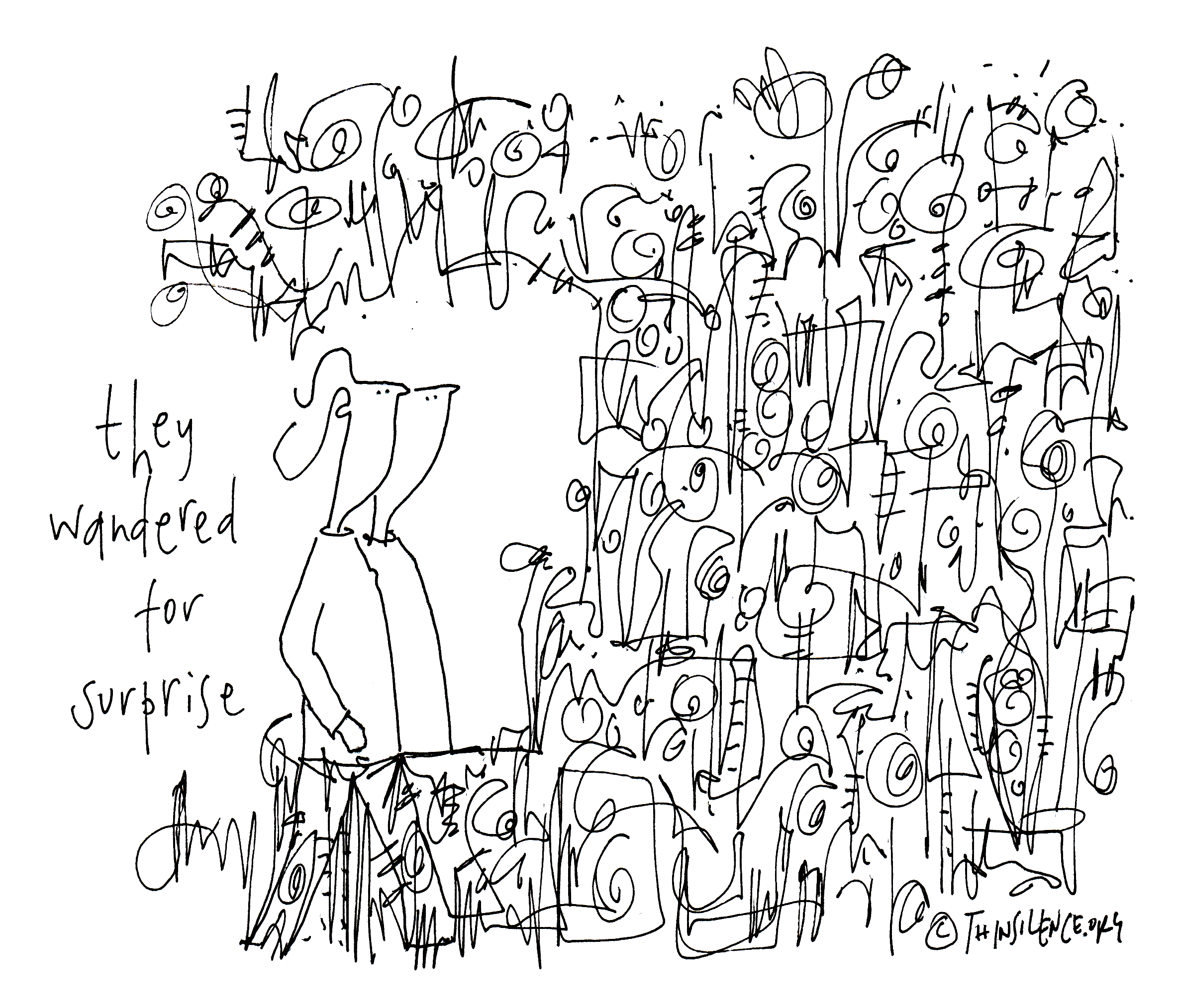
The flâneur moves through the city with neither a map nor a plan. He has to feel himself free and alone, ready for the imponderable.* Federico Castigliano
Malabou expounds Derrida‘s thought by settling into the undecidability of the French words dériver and arriver. Dériver signifies at one and the same time “to derive” but also “to drift” or “to deviate,” while arriver means not only to arrive at or reach the destination one has consciously set out to reach but also to come about by chance, to happen, like a surprise … .** John Caputo
It’s okay to use a map or to follow a plan, but sometimes, it’s better to leave them behind and wander, especially with others – something imagined by Theory U‘s more circuitous journey of opening the mind and heart and will, whereby, perhaps, We shall encounter something not previously imagined wanting to emerge.
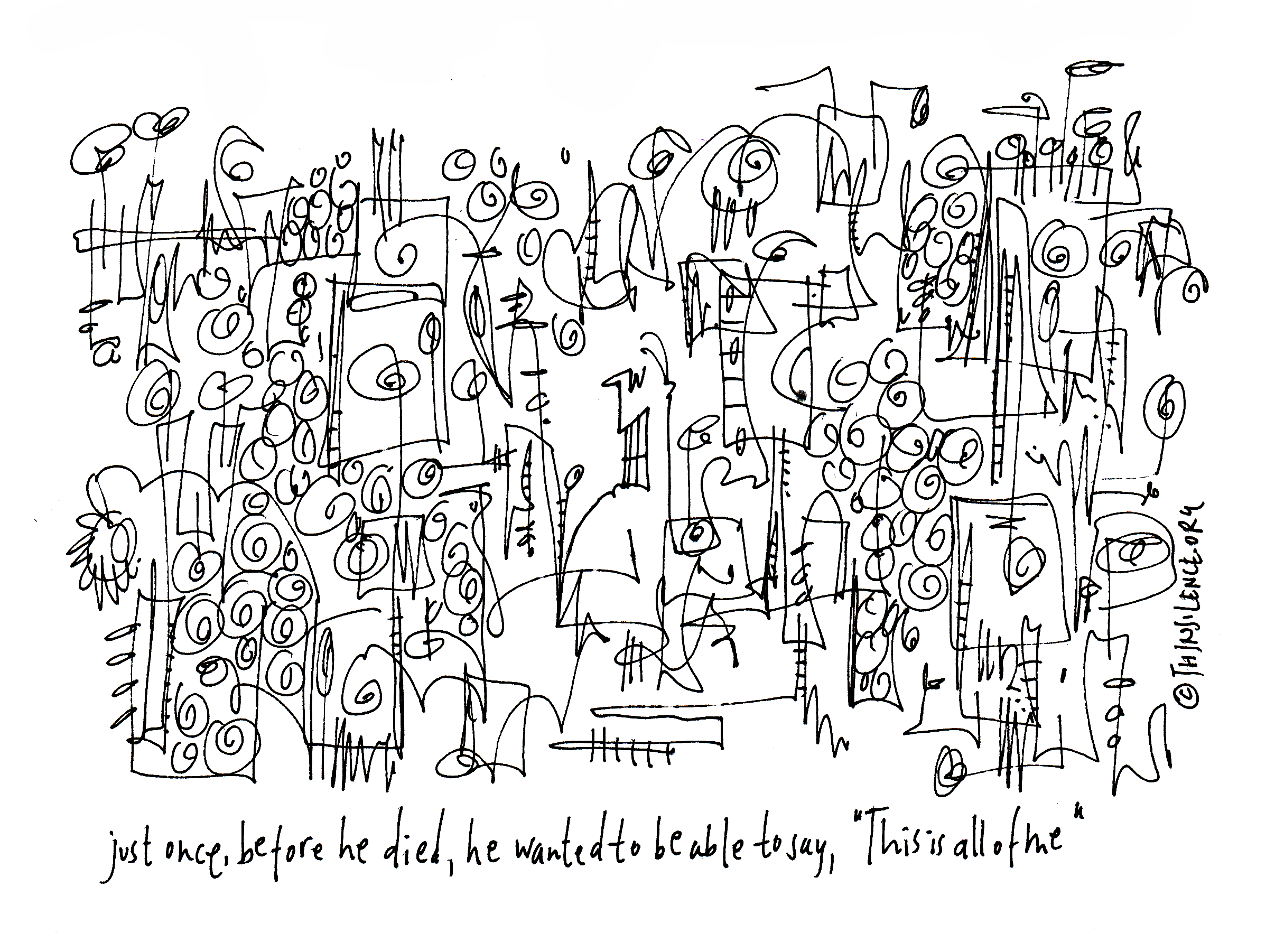
The discipline of creation, be it to paint, compose, write, is an effort towards wholeness … we are diminished, and we forget that we are more than we know … .* Madeleine L’Engle
And if you stopped doing all these things you’re doing for the money and the attention, what would be left? What would you be if you didn’t do these things?** Derek Sivers
It may not be the thing you are being paid for, Nor what is getting you noticed – These may simply be camouflaging what you really need to do if we are to lose the feeling that something is missing.
You may know, yet be putting it off, Waiting for the perfect conditions that will never arrive – more likely it is the present imperfect conditions that are necessitous to your art.
Our success has a lot to do with how we dance with conditions that aren’t quite perfect.^
Plot-driven stories put major turning points, especially the inciting incident, beyond the character’s control … Character-driven stories do the opposite. They put major events in the character’s hands.* Robert McKee
Perhaps the best strategy for lottery tickets is not to buy one. Your odds go up when you do useful and remarkable work for people who care.** Seth Godin
In reality, our stories are a mix of the plot-driven and character-driven, yet what they hold in common is the possibility of bringing and developing our best self.
Marcus Aurelius shares some habits he found to be helpful: 1. Accept only what is true. 2. Work for the common good. 3. Match our needs and wants with what is in our control. 4. Embrace what nature has in story for us.^
The apostle Paul adds to these with some personal virtues that aided him in imprisonment: Humility, gentleness, patience, Forbearance, and love.^^
From the disparity between the immensity of the possible and the smallness of the human being there springs the torment and the energy of the flâneur. Persecuted by frustration, he is sentenced to a sort of perpetual motion.* Federico Castigliano
Why shouldn’t an anonymous career spent quietly helping a few people get to qualify as a meaningful way to spend one’s time? Why shouldn’t an absorbing conversation, an act of kindness, or an exhilarating hike get to count. Why adopt a definition [of achievement] that rules such things out?** Oliver Burkeman
We may never achieve “great” things – As others see them, We may not accomplish everything we want, We may never finish the “to do” list or empty the inbox – And all of this is okay, the reality of our smallness and finiteness.
Whilst the spirit of the flâneur and the flâneuse illustrates the importance of wandering and slowness, openness and wonder, curiosity and questioning, this doesn’t have to result in persecution and frustration, Rather, in embracing rather than fighting our finitude, we may ease into the meaningful and satisfying life that awaits us.









 THIN|SILENCE
You must be logged in to post a comment.