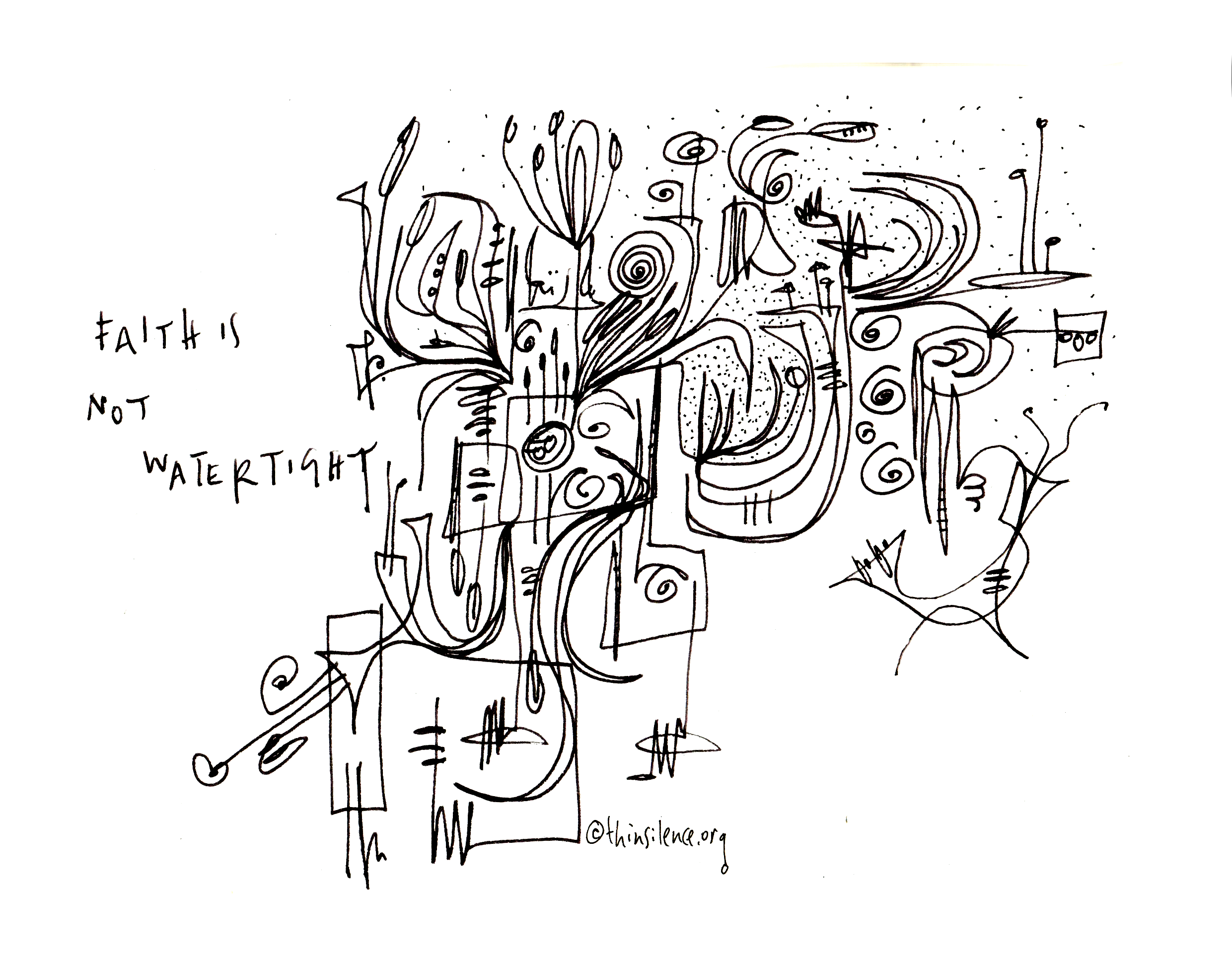
Doubt isn’t the opposite of faith; it is an element of faith … Sometimes I think it is my mission to bring faith to the faithless, and doubt to the faithful.*
Paul Tillich
Avoid certainty,
Be open to possibility.
*Brian McLaren’s Faith After Doubt.

Doubt isn’t the opposite of faith; it is an element of faith … Sometimes I think it is my mission to bring faith to the faithless, and doubt to the faithful.*
Paul Tillich
Avoid certainty,
Be open to possibility.
*Brian McLaren’s Faith After Doubt.

Learning that we are not our thoughts, that our thinking isn’t an accurate narration of the world around us, other people, and ourselves, is liberating.*
Beth Pickens
A helpful way to distance ourselves from all the thoughts
in our head, is to
write them down;
If you haven’t got the time for this,
Try saying them in the third person. –
This can work in seconds.**
*Beth Pickens’ Make Your Art No Matter What;
**Thank you to Ethan Kross’ Chatter for this.
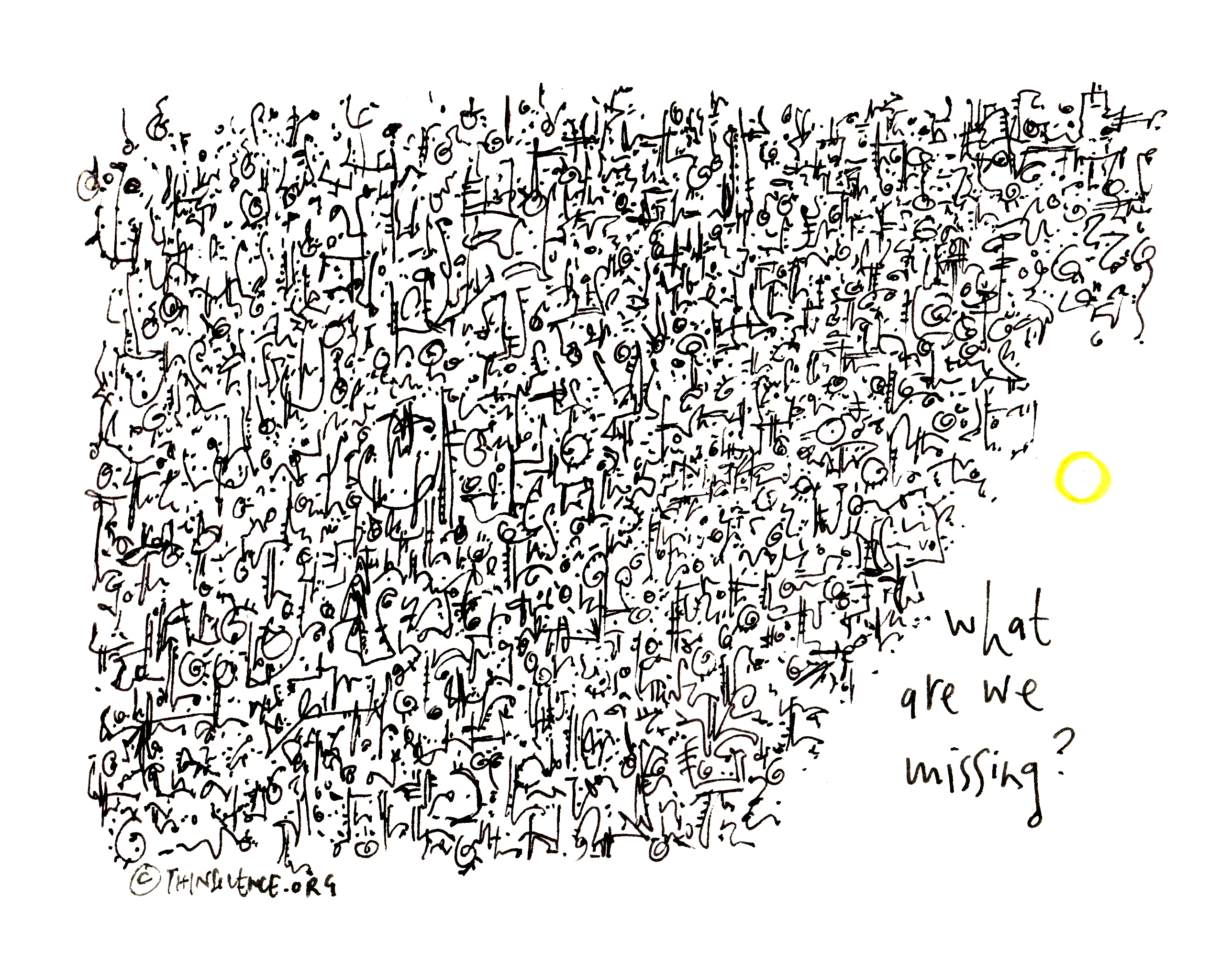
On the personal side, as slaves to speed, we start to lose sight of family members, especially children, or those who are ill or infirm, who are not flying through the world as quickly or determinedly as we are. Just as seriously, we begin to leave behind the parts of our own selves that limp a little, the vulnerabilities that actually give us colour and character.*
David Whyte
Slow down,
Be you,
All of you,
Fully present …
Breathe.
When was the last time this was you?
*David Whyte’s Crossing the Unknown Sea.
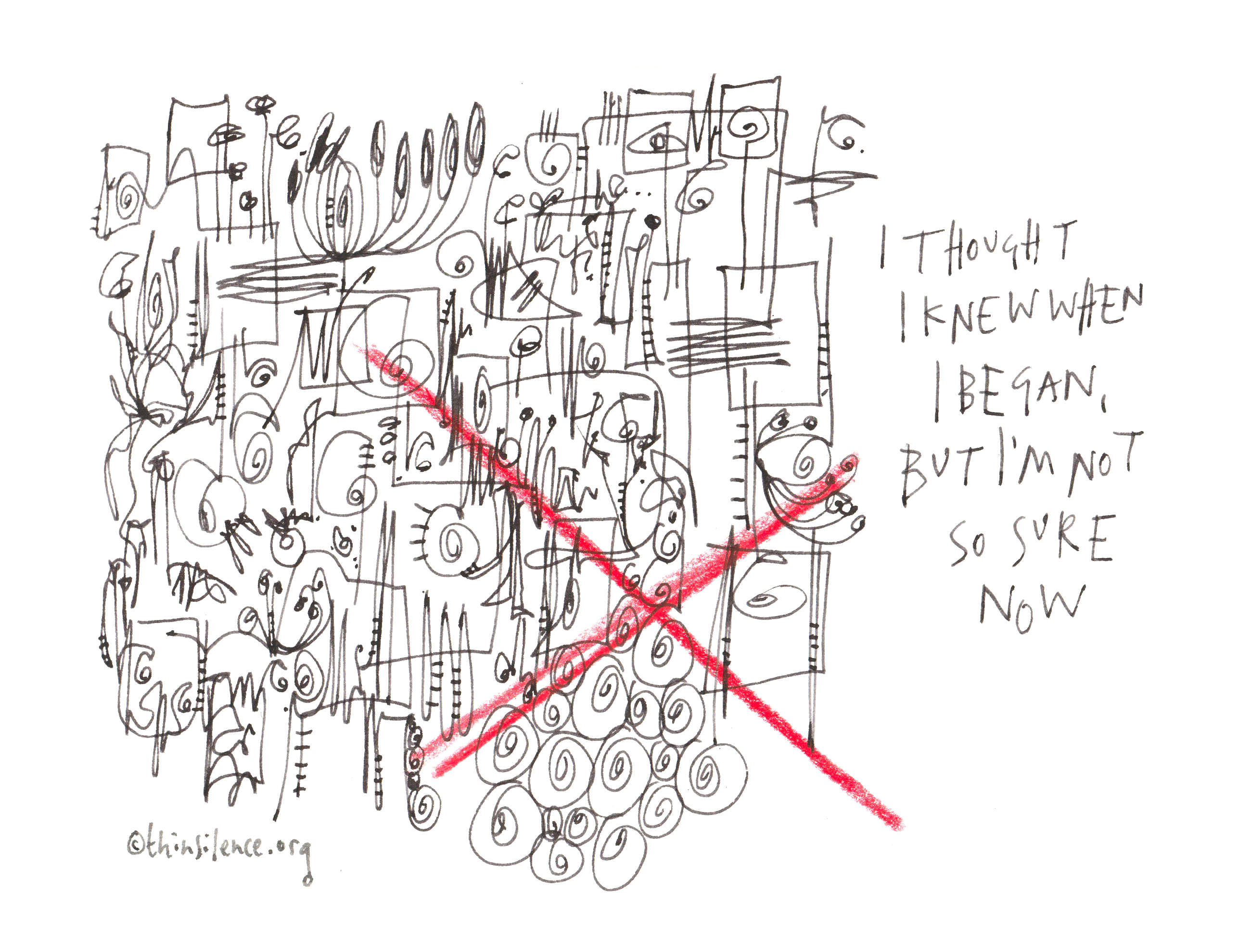
There’s often doubt. Giving someone the benefit of that doubt enables us to move forward, and that requires us to realise that our doubt might be unfounded. Systems that assume goodwill create possibility, connection and utility far easier than those that don’t.*
Seth Godin
Doubt is more often experienced
at the beginning of something
rather than the end; certainty can be
way more troublesome.
*Seth Godin’s blog: Assume goodwill.
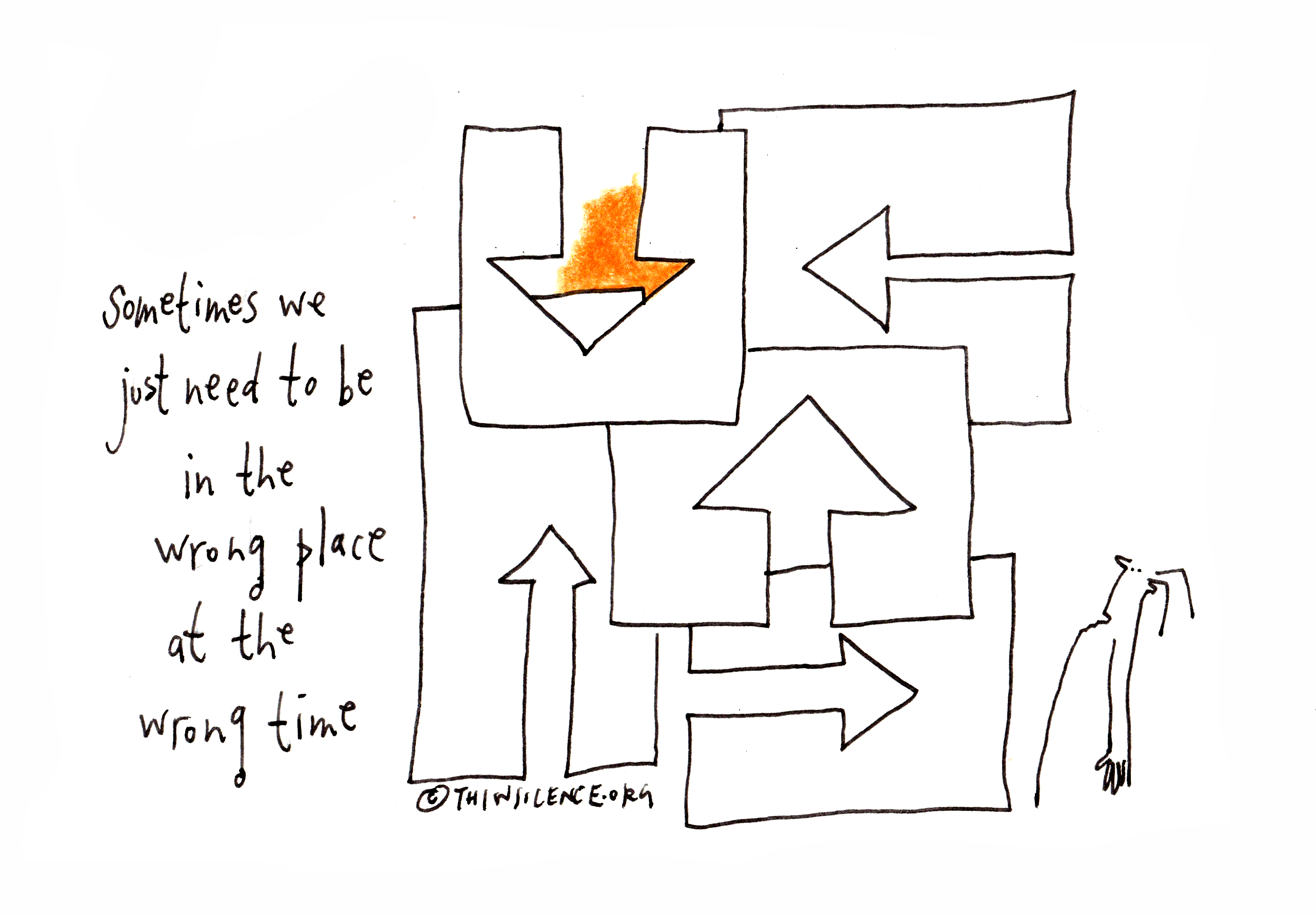
Staying here isn’t
doing it – that’s what
doing, going, being different
is for.
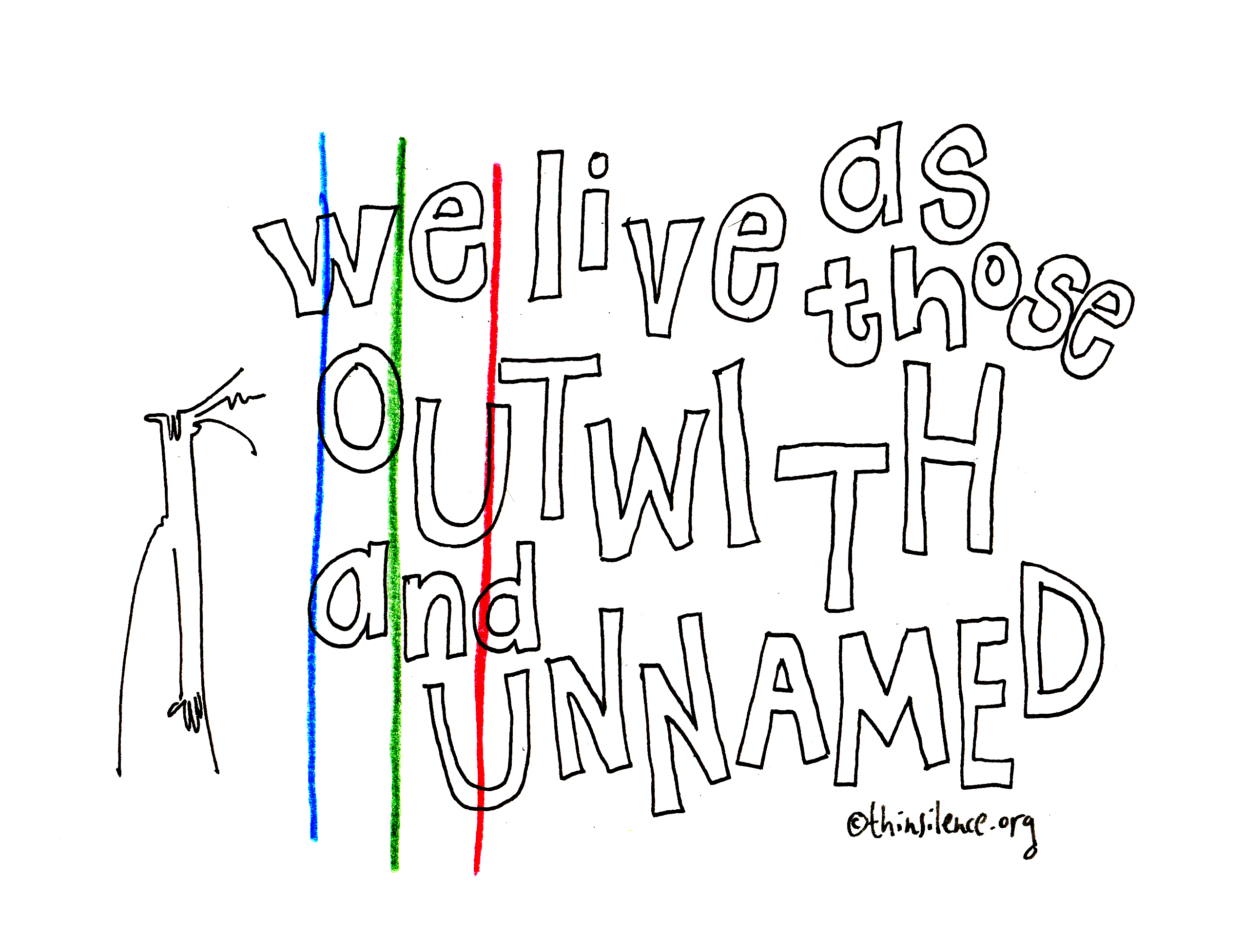
The true master, when his or her prestige is threatened by age or circumstance, can say, “Don’t you see that I am a person who could be utterly forgotten without batting an eye?”*
Arthur Brooks
There will come a time when I
will be gone and forgotten –
And that’s okay,
I am preparing;
I only hope to be of some help
to you before this happens.
*Arthur Brooks’ From Strength to Strength.

Harmony has been described as a second naïveté, a second simplicity or innocence, where instead of seeing through everything, we see into everything, and at the core, we find not meaninglessness and banality but profound, inexpressible belatedness and beauty.*
Brian McLaren
After simplicity** comes
complexity,^ after complexity comes
perplexity,^^ after perplexity comes
harmony,*^ the new, larger
simplicity holding, in love and
with compassion, all
that we have experienced
for the sake of others.
*Brian McLaren’s Faith After Doubt
**”I’m going to do it”;
^”This is more difficult than I thought”;
^^”This is impossible”;
*^”I have been overcome and have overcome.”
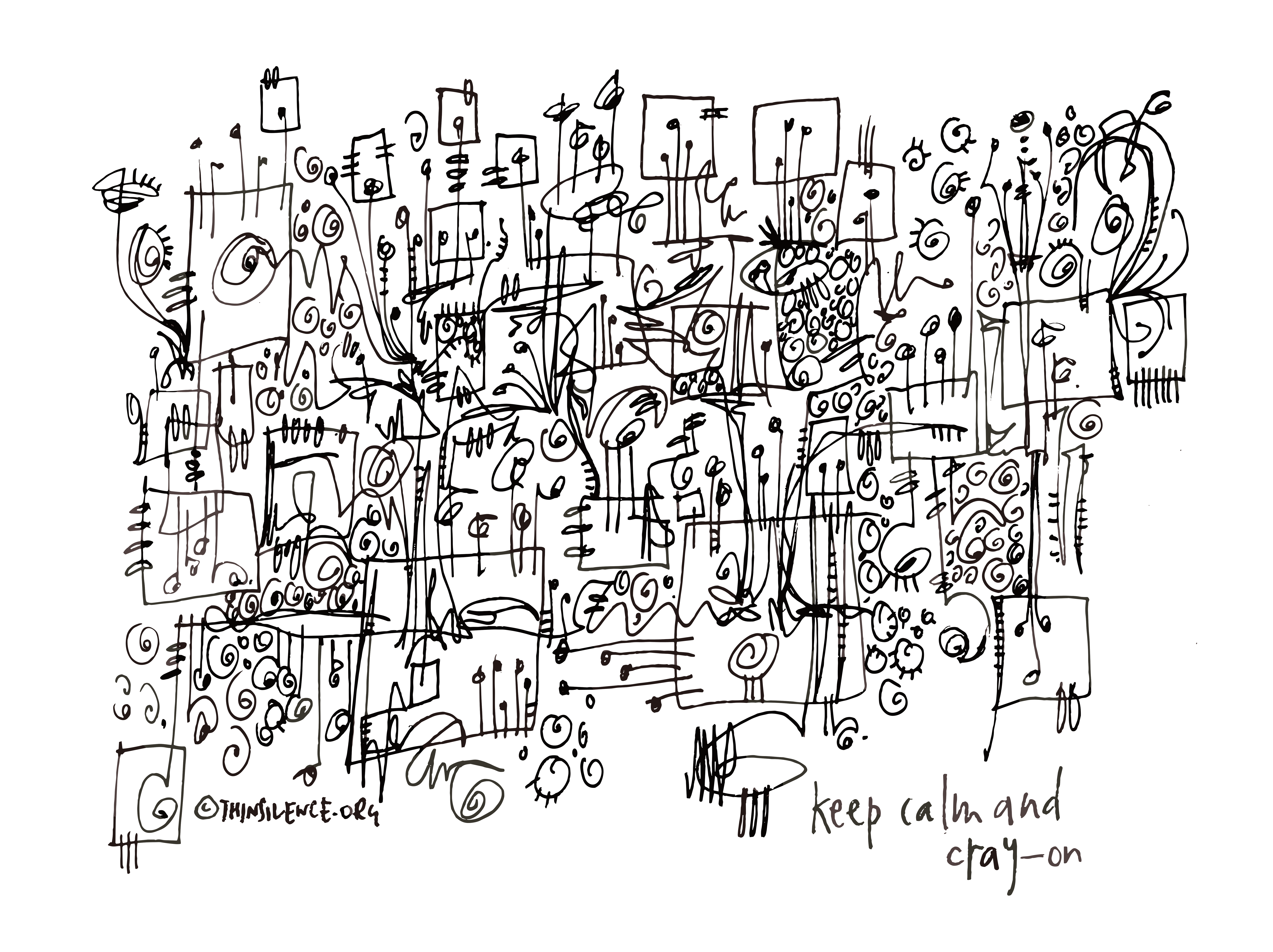
The purest and most thoughtful minds are those that love colour the most.*
John Ruskin
Here’s a doodle to add the colours you love to;
The epithet comes from someone I worked with
in the University of Edinburgh for some of
my large doodles we used to put out for students to colour:
Thank you, Judith.
*Kassia St Clair’s The Secret Lives of Colour.
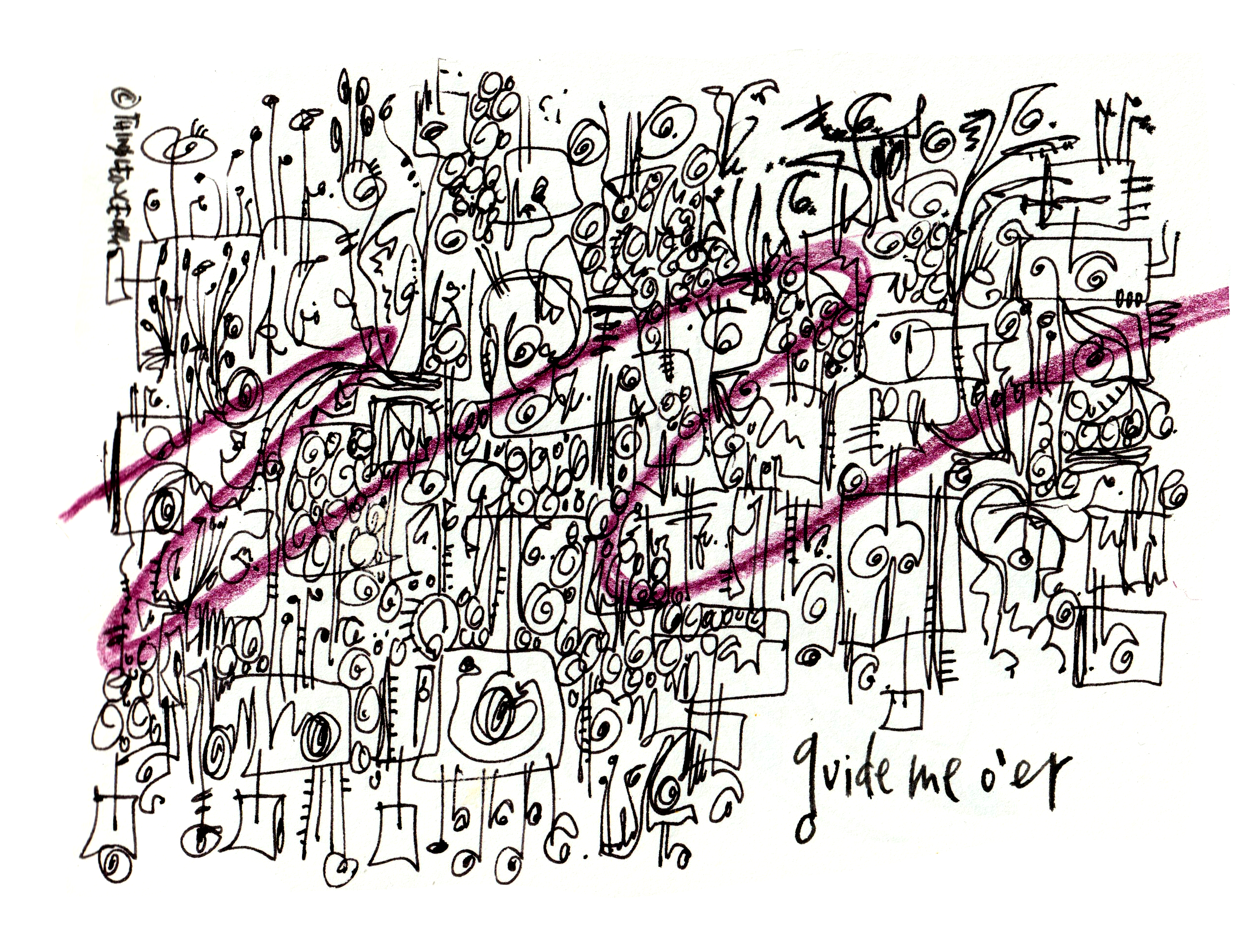
An effective way of seeing what you are not seeing is to have it pointed out to you by someone you respect who has a different position in and perspective on the system.*
Adam Kahane
Pain then, is often the teacher that transforms the hero into the guide. That is, if their attitude toward pain is accepting and redemptive.**
Donald Miller
Let us be wary of those who want to guide but
have not struggled or suffered along the way we must take;
Let us be open to those who have been transformed on the way,
Who bring to us insight and compassion.
*Adam Kahane’s Everyday Habits For Transforming Systems;
**Donald Miller’s Hero On a Mission.
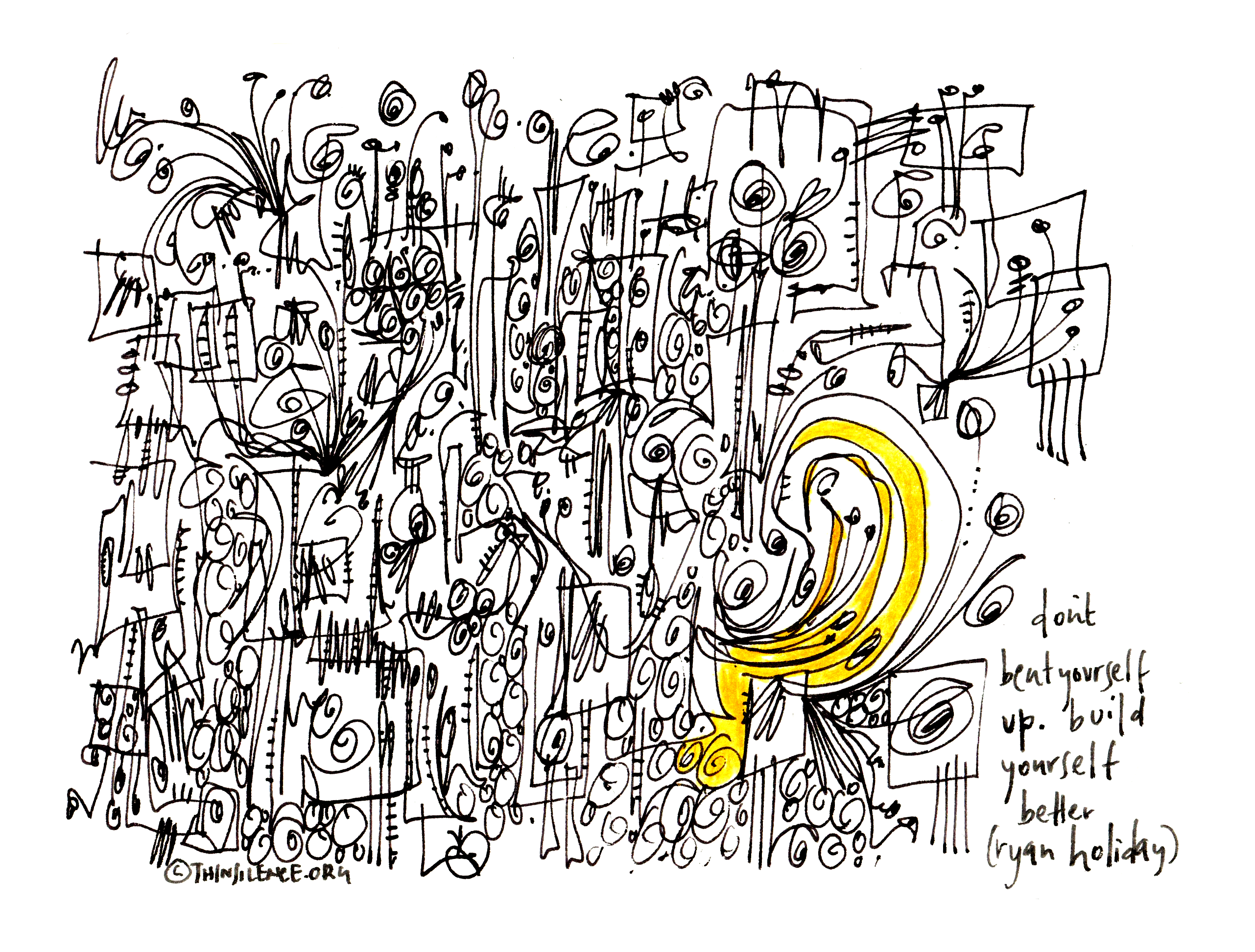
Don’t beat yourself up. Build yourself up. Make yourself better. That’s what friends do.*
Ryan Holiday
The person we’re most hard on is ourself –
We wouldn’t treat a friend like this, and
we don’t have to behave like this to ourself;
We have a choice to use the failure, the lapse, the
transgression to transform.
*Ryan Holiday’s Discipline is Destiny.
 THIN|SILENCE
You must be logged in to post a comment.